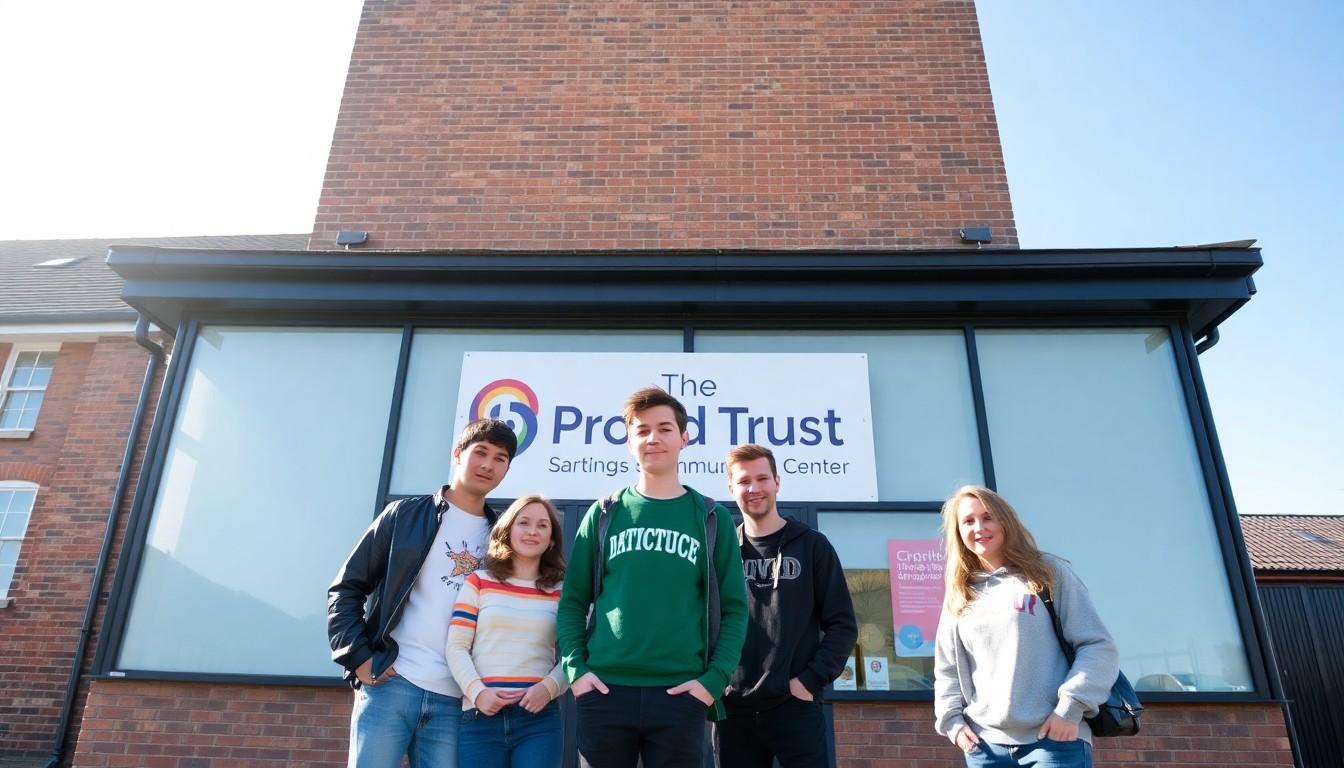
Shoppers and citizens are noticing a louder call for change as The Proud Trust launches #DeserveBetter , a national campaign, created with The Prominence Collective, to highlight why LGBTQ+ young people in the UK need safer spaces, better support and wider understanding after a sharp rise in referrals.
Essential Takeaways
- Sharp rise in demand: Referrals to The Proud Trust jumped 171% after the Supreme Court ruling, signalling increased need for specialist support.
- Wide-reaching activity: The charity ran nearly 400 youth groups, 820 support conversations and welcomed almost 10,000 visits to its Manchester community centre last year.
- Focus areas: The campaign targets bullying, mental health, education, employment barriers and access to safe spaces , issues many young people describe as urgent.
- Creative amplification: #DeserveBetter uses first-person stories, a new poem by spoken-word artist myndstate and a star-studded film to bring lived experience into public view.
A campaign born of a surge in need , the opening hook
Referrals spiking by 171% is the kind of figure that makes people sit up, and The Proud Trust is answering that call with a campaign that’s as bold emotionally as it is strategically. According to the charity, the rise followed the Supreme Court’s decision in For Women Scotland Ltd v The Scottish Ministers, and it’s prompted an all-year national effort to lift lived experience into mainstream view. You can feel the urgency in the tone: these aren’t abstract stats, they’re real young people seeking safety and understanding.
How the campaign came together , partners, purpose and strategy
The Proud Trust teamed up with The Prominence Collective, an LGBTQ+-owned PR firm in Manchester, to build #DeserveBetter. The partnership blends strategic comms, national media outreach and creative collaborations so stories land in the right places. Edwin Buckley of The Prominence Collective told campaign audiences that authentic lived experience was central , and that approach is designed to move hearts and minds, not just tick a PR box.
What young people are facing , the stark context
National research keeps telling a worrying story: almost half of LGBTQ+ pupils face bullying, nearly six in ten have seriously considered suicide and around a quarter may never finish secondary school. The Proud Trust’s recent activity backs that up , almost 50,000 young people reached through the Rainbow Flag Award, and over 1,400 professionals trained in inclusion. Those numbers show both the scale of the problem and the impact of targeted support, so choosing programmes that combine practical help with community spaces matters.
Creative storytelling to change perceptions , poems, films and first-person voices
#DeserveBetter launches with first-person accounts from people speaking publicly for the first time, an original poem by award-winning artist myndstate and a forthcoming film featuring LGBTQ+ celebrities and allies. That mix of lived experience and creative work is deliberately tactile , you can almost hear the voices and feel the emotion. The aim is to replace abstract debate with human stories, which usually have more power to shift attitudes among teachers, parents and policymakers.
Practical ways the campaign helps , where people can plug in
If you’re a teacher, parent or youth worker wondering what to do, the campaign points to training and local provision as first steps. The Proud Trust already runs inclusion training and youth groups, and their Rainbow Flag Award helps schools become visibly safer; these are practical levers for change. For supporters, amplifying personal stories, pushing for funded local services and making schools accountable for inclusion are straightforward, useful actions.
Why this matters now , reaction and outlook
A 171% increase in referrals isn’t just a statistic; it’s a call for better-funded, better-understood services across the UK. The Proud Trust’s campaign is part awareness drive, part practical resource beacon, and part cultural nudge , it asks society to translate empathy into safe spaces and support. As the campaign unfolds, expect more creative collaborations and a sharper national conversation about what real, lived inclusion looks like.
It's a small change in how we talk that can make every young person feel less alone.
Source Reference Map
Story idea inspired by: [1]
Sources by paragraph: