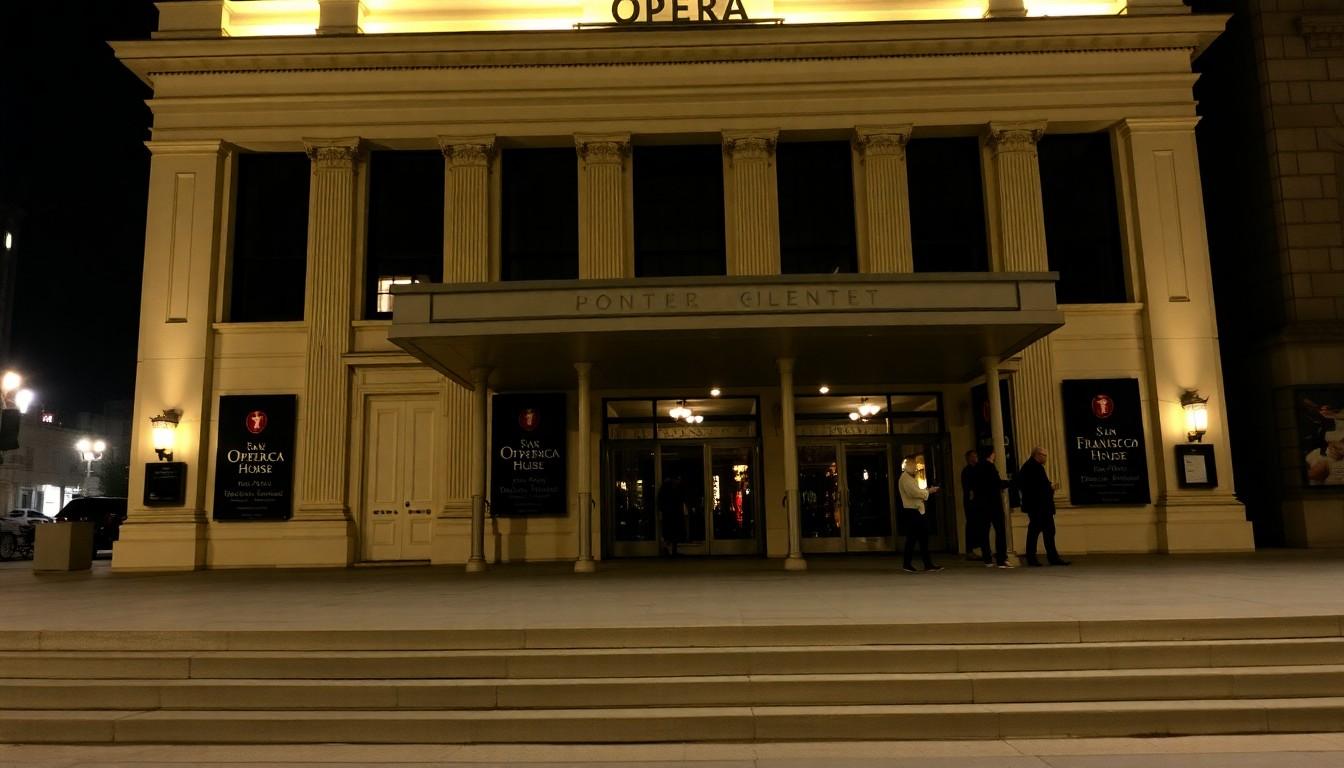
Shoppers for culture and community packed the War Memorial Opera House on June 26, 2026, as San Francisco Opera staged its annual Pride Concert; vibrant programming, surprise cross-genre favourites and community projects made it a memorable celebration of music, history and activism.
Essential Takeaways
- Bold repertoire: The concert mixed classical masters and contemporary composers for a varied, emotionally powerful programme.
- Standout soloists: Nikola Printz, Melody Moore and Reginald Smith, Jr. delivered singing with warmth and presence.
- Community focus: Pre-show talks, the Rainbow Pride Flag Project and exhibits from the GLBT Historical Society added context and heart.
- Party finish: A post-show dance with Juanita MORE! sent the crowd out celebratory and energised.
- Accessible atmosphere: The evening balanced solemn remembrance with joyful music , quiet moments and upbeat hits felt thoughtfully sequenced.
A programme that bridged eras and emotions
The opening hook was obvious: this Pride Concert didn’t play it safe. The music ranged from Michael Tilson Thomas and Gounod to contemporary scores by Terence Blanchard and Michael Abels, with pop-leaning nods to k.d. lang and Brandi Carlile. That mix kept the hall on its toes , one minute reflective, the next uplifted , and gave the audience a pleasingly textured emotional arc.
San Francisco Opera has been leaning into programming that speaks to multiple generations, and the Pride Concert felt like a concentrated example. Audiences weren’t just hearing favourites; they were hearing a statement about inclusivity through repertoire. If you’re choosing which concert to attend next year, pick a programme with variety: it keeps attention and fosters conversation afterwards.
Singers who owned the stage
Nikola Printz, Melody Moore and Reginald Smith, Jr. provided the human, vocal centre of the evening. Their voices sat in the hall with clarity and emotional honesty, and each solo felt like a personal address to the audience.
According to reviews, the singers navigated dramatic shifts in style with ease, from operatic heft to more intimate, lyrical passages. For concertgoers who prize both vocal power and emotional nuance, this was a reassuring performance. If you want the best seat, aim for the central orchestra or mid-balcony to catch facial expressions and the subtleties in phrasing.
Community projects gave the night extra heartbeat
This wasn’t just about music. The pre-concert talk and the Rainbow Pride Flag Project brought the community into the theatre in a tactile way, and displays from the GLBT Historical Society alongside quilt panels from the National AIDS Memorial kept remembrance in the room. The combination of art and activism felt deliberate and necessary.
San Francisco Opera has been making these community ties visible for years, and this concert showed why they matter: music becomes richer when it’s anchored to lived experience. If you’re attending similar events, arrive early to explore exhibits , they’ll change how you hear the performance.
A joyous encore: post-show dancing with Juanita MORE!
After the formal programme concluded, the energy didn’t dissipate , it moved. A post-show dance party with DJ Juanita MORE! transformed the evening into a full-bodied celebration, offering a chance to process what you’d heard while dancing it out.
It’s a simple idea but an effective one: end a concert with community and movement. It reminds us that Pride is as much about life and joy as it is about history and struggle. For future concert planners, keep one eye on ceremony and the other on celebration.
Why this Pride Concert matters beyond one night
The 2026 Pride Concert illustrated how an arts organisation can curate an evening that’s simultaneously high-calibre and deeply civic. By pairing diverse repertoire with community projects and a festive close, San Francisco Opera underlined the role of opera as a living, changeable art form.
Expect future seasons to continue this trajectory: more cross-genre programming, accessible events and partnerships with local organisations. And if you left humming a tune or chatting about quilt panels, that’s the point , the music opens a door, and the community keeps it open.
It's a small change that can make every concert feel like a celebration and a conversation.
Source Reference Map
Story idea inspired by: [1]
Sources by paragraph: