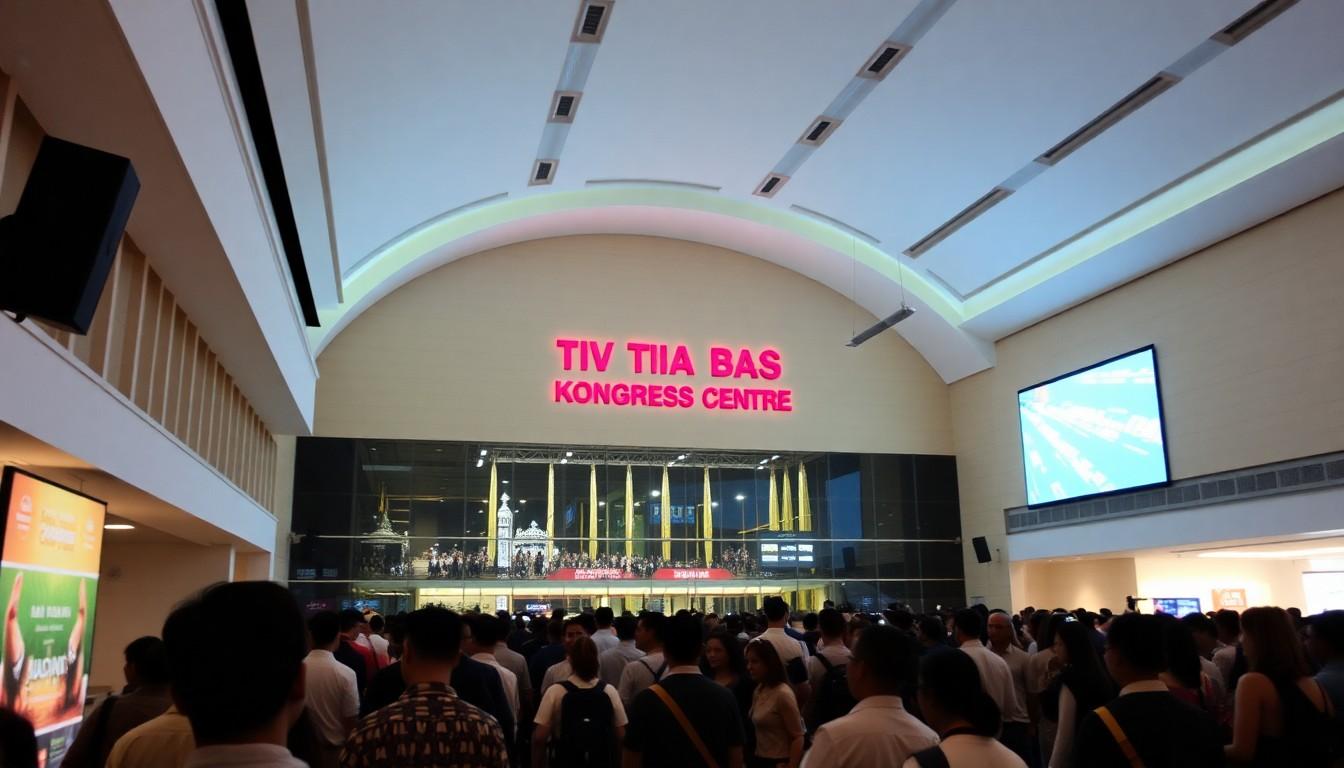
Shoppers and travellers are already changing plans: Thailand’s new marriage equality law is turning Bangkok and Phuket into must-visit hubs for LGBTQ+ celebrations, while Taiwan, the Philippines and Vietnam reshape the region’s inclusive travel scene , here’s what that means for holidays, weddings and high-value trips.
Essential Takeaways
- Legal shift: Thailand’s Marriage Equality Act came into force in January 2025, giving same-sex couples equal marriage rights and sparking immediate travel interest.
- City draws: Bangkok offers airport connectivity, nightlife and official Pride backing; Phuket combines beaches, resorts and honeymoon appeal.
- Regional mix: Taiwan remains a pioneer with established equality and Pride events; the Philippines grows through visibility; Vietnam offers fast tourism growth without formal marriage equality.
- New markets: Destination weddings, luxury honeymoons and Pride-linked events are emerging revenue streams for hotels and local businesses.
- Practical: Couples now weigh legal recognition as part of destination choice; safety, inclusivity and service quality are becoming booking filters.
Why Thailand’s law immediately changes holiday choices
Thailand’s marriage equality law didn’t arrive in a vacuum , it landed with a visible, celebratory buzz that travellers felt within days, even as thousands queued to register their unions. According to reporting from outlets across the region, the new legal status gives couples practical certainty and a public welcome that’s rare in Southeast Asia. For travellers this matters in a simple way: legal recognition reduces administrative worries for weddings and gives photo-friendly moments a layer of legitimacy. If you’re booking a celebration, prioritise venues and vendors with clear experience of same-sex ceremonies and ask in advance about contracts, guest logistics and any local paperwork.
Bangkok: the urban hub where legal recognition meets nightlife and service
Bangkok already had a global reputation for nightlife, food and luxe hotels; marriage equality adds a fresh reason to visit. Local and national tourism bodies have leaned into Pride activities and promotion, signalling that the city wants to be seen as safe, polished and inclusive for international visitors. That infrastructure , international flights, five-star hotels and specialist planners , makes Bangkok an obvious choice for city-based weddings, anniversaries and group trips. Tip: pick a neighbourhood that suits your vibe, from riverside hotels for ceremony photos to Silom for late-night celebrations, and confirm vendor experience with same-sex couples.
Phuket: beaches, resorts and a new honeymoon market
Phuket’s strengths are tactile: warm sand, private villas, and resorts that feel polished and effortless , now with clearer legal backing for couples who want to marry or honeymoon abroad. The island’s hospitality sector is well placed to develop bespoke packages for ceremonies, vow renewals and intimate celebrations that pair tropical scenery with legal recognition. That combination could push Phuket to compete with long-standing international wedding hubs, especially for couples who value both beauty and paperwork. Practical note: international couples should check marriage registration steps, translation and witness requirements well ahead and book peak-season suppliers early.
Taiwan and the Philippines show two different paths to inclusivity
Taiwan’s 2019 law set an early Asian benchmark, and Taipei’s vibrant Pride and cultural offer continue to draw visitors who expect equality as standard. The island demonstrates how sustained legal frameworks build long-term reputation and steady tourism around Pride events and cultural hospitality. The Philippines, by contrast, is deepening its inclusive identity through visible communities and government engagement, even without marriage equality nationwide. For travellers that means choices: Taiwan for a legally settled, festival-rich experience; the Philippines for lively community scenes and island escapes where visibility and warmth are front of house.
Vietnam’s potential: rapid tourism growth meets a cautious legal landscape
Vietnam is one of the region’s fastest-growing markets for general tourism , think Hanoi, Hoi An and Da Nang , but it hasn’t enacted marriage equality. The country’s expanding hotel sector and international promotion set the stage for future inclusive offers, even if formal legal change lags. Visitors and planners should treat Vietnam as a strong cultural and leisure option that may evolve quickly; meanwhile, choose providers who understand LGBTQ+ needs and local customs. If you’re considering Vietnam for a milestone event, prioritise discreet, experienced vendors and confirm local attitudes in the specific destination you pick.
What the travel industry is learning , and how to make better choices
Across Southeast Asia, acceptance and safety are becoming part of what travellers book: hotels, resorts and tours now advertise inclusive services more often. Destination weddings, Pride events and luxury honeymoons translate directly into higher-value stays and longer itineraries, so many businesses are adjusting fast. When researching, look for clear statements on websites, event history, staff training and sample itineraries for LGBTQ+ guests. A small practical tip: ask for references from couples who married locally and request contract clauses that cover refunds, vendor substitutions and unforeseen local rules.
It's a small change that can make every celebration safer, more joyful and far easier to plan.
Source Reference Map
Story idea inspired by: [1]
Sources by paragraph: