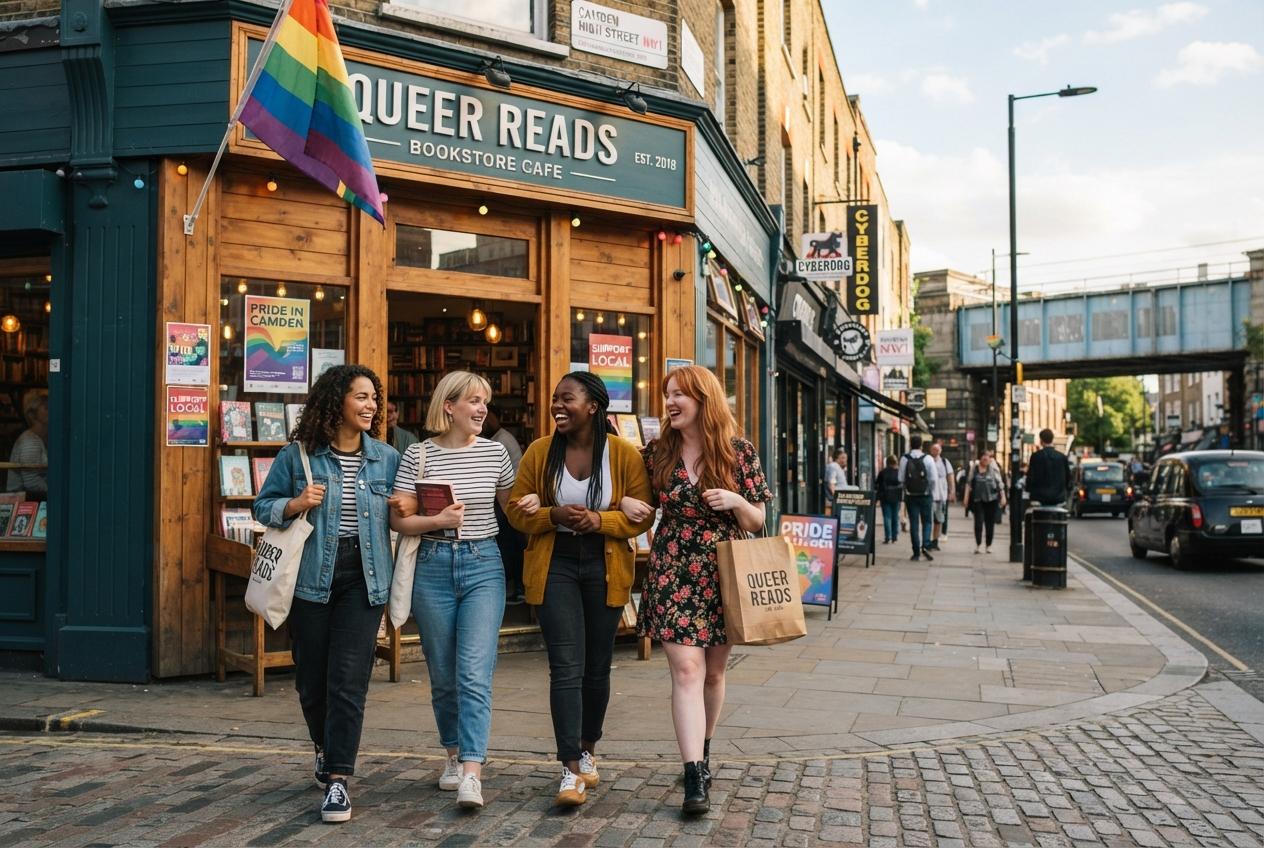
Shoppers and readers are returning to tight-knit queer friend groups in sapphic fiction , these 15 picks from small presses and indie authors show why: warm found-family dynamics, lots of banter, and supporting characters who often get their own happily-ever-afters. Here’s a handy guide to titles, tones, and why these groups matter.
Essential Takeaways
- Strong ensemble: These books centre close friend groups that feel lived-in and supportive, adding emotional depth to the romance.
- Varied tones: Choices range from cosy romcoms and slow-burn second-chance stories to urban fantasy and mystery, so there’s something for every mood.
- Full sensory hooks: Expect everyday textures , the hum of a pub, the smell of garden soil, a slick Vegas nightlife , that make scenes vivid.
- Gives and grows: Many titles spin off supporting characters into their own books, which rewards binge-reading fans.
- Accessible buys: Most are available through Amazon, Audible or independent presses, with several on pre-order or free during promotions.
Why queer friend groups make sapphic romances feel richer
There’s something comforting about a circle of friends who know each other’s messy histories and inside jokes; it gives the central romance a grounded backdrop and stakes you can feel. According to several indie listings and author sites, readers are craving that sense of found family , it’s not just plot padding, it’s emotional scaffolding. If you like your romance with a chorus of voices cheering, teasing, or complicating the lead couple’s choices, these books deliver. Tip: pick a title where the friend group’s chemistry is highlighted early, so you get that ensemble buzz from page one.
Picks that lean romcom: easy laughs and cosy feels
Titles like My BFF’s Sister and Paint the Moon lean into small-town and friend-adjacent setups that make for breezy, feel-good reading. These novels serve up tactile scenes , community gardens, inns, pubs , so you almost smell the settings. Many of these romcoms hinge on familiar tropes (fake relationships, neighbour romance, accidental reunions) but the queer friend group adds fresh emotional texture. If you want light, take a romcom that names the friend group in its description: you’ll get both banter and gentle support scenes.
Slow-burn, second chances and emotional stakes
Books such as Take Two and Other Girls play the longer game: they foreground history, regret, and the slow rebuilding of trust, all while the friend group provides perspective and occasional pressure. These stories often let supporting queer characters carry subplots that feel fully realised, so you walk away knowing the ensemble beyond the couple. Practical reading tip: if you prefer resolution, check whether the book is part of a series , many of these titles continue the world into the friends’ own romances.
When the group becomes a crime, fantasy or mystery crew
Not every sapphic book here is straight romance; Under The Saltwater Moon and The Rising Dark fold friend groups into genre fiction. A police evidence tech with a motley crew of allies turns a cosy mystery into an ensemble thriller, while a vampire-protector pair brings combat and camaraderie into urban fantasy. These cross-genre picks are great if you want worldbuilding alongside relationship work. Look for blurbs that mention the friend group explicitly if you want both action and friendship dynamics.
Indies, small presses and why discovery matters
A lot of these recommendations come from indie authors and smaller presses, meaning you’ll find fresh voices and unconventional plots that mainstream lists might miss. Many are available on Amazon, Audible or directly from the publishers; some are on pre-order or included in giveaways and free ebook events. If you’re hunting bargains, sign up to the author’s newsletter or check community events , you’ll often catch temporary freebies or giveaways that make sampling new authors risk-free.
It's a small reading habit that pays big emotional rewards , pick a title and let the friend group carry you through.
Source Reference Map
Story idea inspired by: [1]
Sources by paragraph: