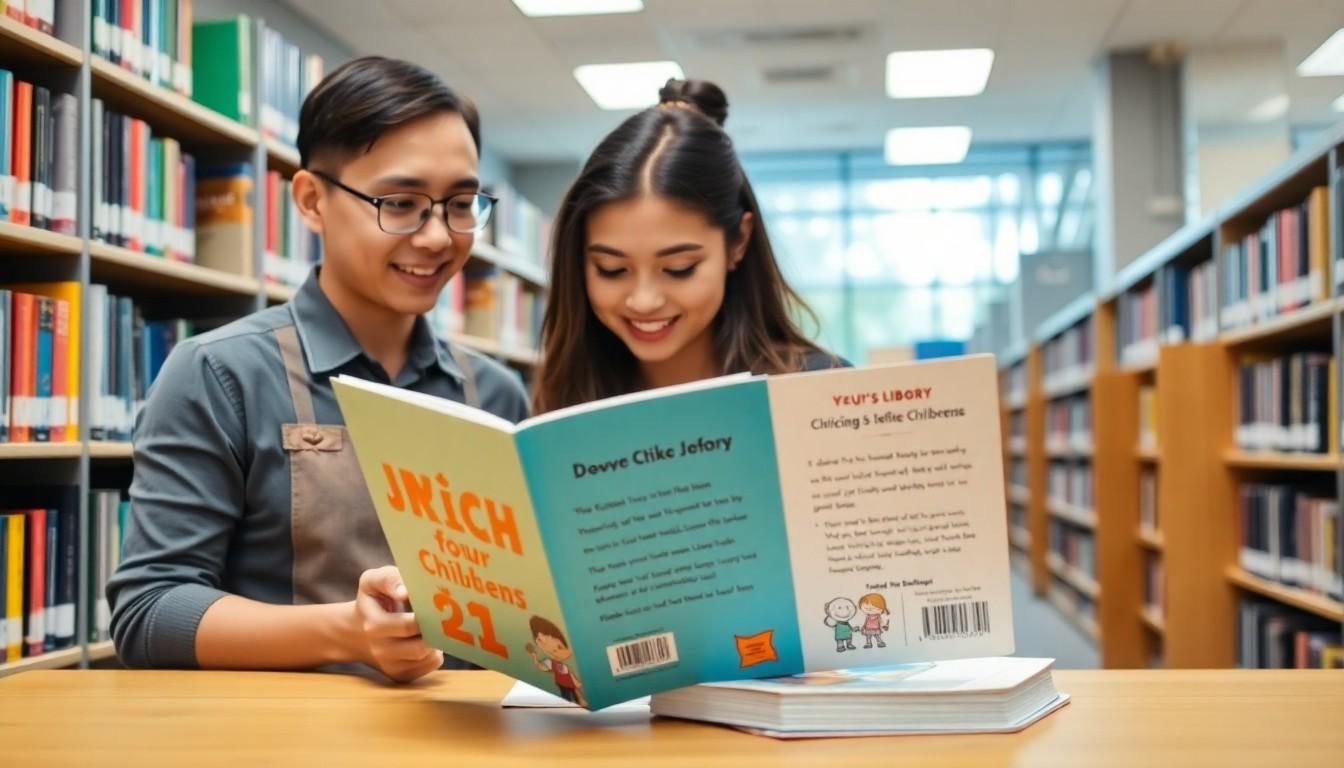
Spotting a snide warning inside a returned kids’ book, a librarian shared photos that turned a petty attempt at book shaming into a proud moment , readers are now flocking to borrow the middle‑grade title, and the episode highlights the wider fight over LGBTQ+ books in libraries across the US.
Essential Takeaways
- Immediate action: The librarian checked the returned copy and removed a handwritten anti‑gay note, reminding readers staff review returned materials.
- Community reaction: The social post sparked waves of support, increased holds for the book, and hundreds of comments praising the recommendation.
- Broader context: Book bans and relocations of LGBTQ+ titles in schools and libraries have surged in several states, making incidents like this part of a larger national trend.
- Practical tip: If you find concerning inserts in library books, return them to staff rather than sharing or keeping them; librarians can document and handle it.
- Emotional note: Small acts of censorship often backfire, drawing attention and solidarity instead of silence.
A petty note, a big ripple , the opening hook
A librarian’s simple photo of a returned copy of The Firefly Summer, scribbled with a warning about a gay couple, went viral and prompted dozens of new requests for the book. The scene has a quietly satisfying texture , the offender hoped to warn others, but instead fanned curiosity and support. According to the original post, library staff routinely inspect returned books, which is how the note was found and removed.
Why librarians see this as part of a bigger battle
This isn’t an isolated annoyance; it sits against a national backdrop of challenges to LGBTQ+ titles in public and school libraries. The Washington Post and others have documented a sharp rise in book challenges and formal bans, with states moving titles out of children’s sections or removing them entirely. Librarians now often act as frontline defenders of access, quietly logging incidents and advising patrons on how to return materials who disagree with content.
What happens when censorship backfires
The librarian’s post shows how attempts to shame readers can boomerang. Instead of hiding the book, the note prompted interest , people asked for copies at their local libraries and praised the title. That reaction mirrors reporting that publicity, even negative, can boost a book’s visibility. For parents and curious readers, this is a reminder that criticism doesn’t always mean avoid , sometimes it means check it out and decide for yourself.
How to handle objectionable inserts or notes in library books
If you discover something unsettling tucked into a borrowed book, don’t air it online or keep it as a trophy. Return the book to library staff so they can handle and document it; librarians often log these incidents and can remove or report proselytising pamphlets and graffiti. And if you’re a parent worried about a specific title, discuss it with staff , most libraries welcome conversation about age‑appropriate material and can suggest alternatives.
The practical takeaway for readers and families
Pick books based on what works for your child, not someone else’s scribble. With bans and challenges on the rise, according to national reporting, local readers increasingly rely on librarians to preserve choice and context. If a book recommendation suddenly feels timely because someone tried to stop it, consider it an invitation to read with curiosity , and to support your local library if you value open shelves.
It's a small change that can make every borrow a little safer, and every reader a little bolder.
Source Reference Map
Story idea inspired by: [1]
Sources by paragraph: