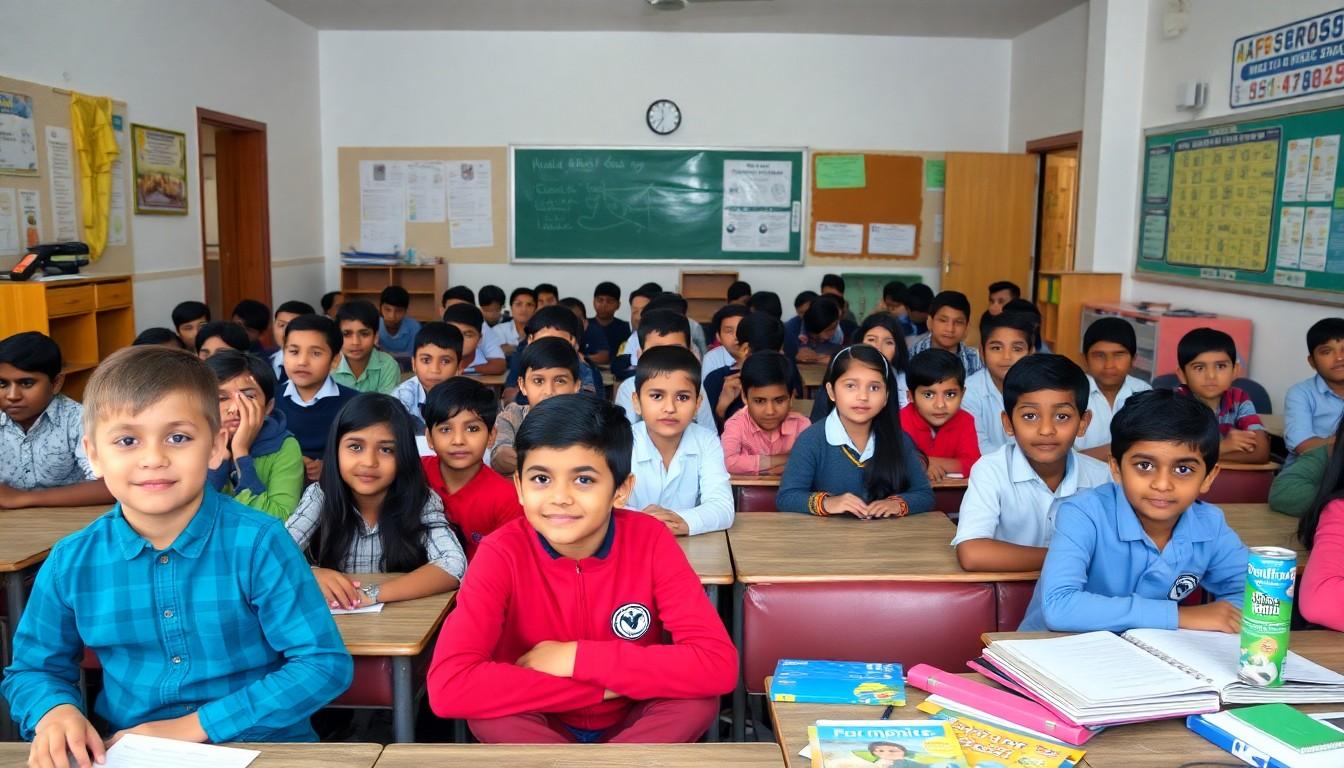
Shoppers of the curriculum and concerned parents are debating a newly approved Social and Civic Education book for Year 6 pupils, after a chapter that presents contemporary family types , including same‑sex parents , prompted heated reactions across Greece. This matters because it touches classroom age, parental values and how schools teach diversity.
Essential Takeaways
- Newly approved: The Social and Civic Education textbook for sixth grade has been cleared by the Institute of Educational Policy and is now in classrooms.
- What’s in it: The book describes the modern Greek family as "diverse", lists different family types and asks pupils to describe their own household.
- Parental concern: Some parents and teachers worry the topic isn’t suitable for 10–11‑year‑olds and prefer such matters to be handled at home.
- Institutional responses: The Institute says the material is age‑appropriate and pedagogically framed; the Church has reiterated its traditional stance on family as male–female.
- Practical tension: Teachers report lacking training to tackle sensitive identity or sex‑education topics, creating a gap between policy and classroom readiness.
Why a school chapter has become front‑page conversation
A short, plain classroom exercise has fuelled a much wider discussion about education’s role in shaping values, and it feels surprisingly personal because pupils are asked to reflect on their own families. The section’s tone is descriptive and inclusive, noting a variety of family structures, which has an ordinary, everyday feel , but some parents found that unsettling for children aged 10 or 11. According to public reporting, that sensory reaction , a mix of curiosity and discomfort , is driving the debate.
Where the objections come from, and what they say
Many objections come from parents and educators who see personal, moral or religious values as primarily the province of the home. They argue classroom time should focus on core academic skills and that themes about gender identity or sexual orientation require careful timing and expertise. The Church of Greece has been vocal, reaffirming its view that the family model rests on a man–woman union, and flagging its unease at presenting alternatives in schoolbooks.
What the education authorities and teachers are saying
The Institute of Educational Policy maintains the textbook was designed with pupils’ developmental stage in mind and uses age‑appropriate pedagogies to present diversity rather than theory. Still, some teachers say they don’t always feel equipped to deliver or mediate these topics in class, especially when parents are divided. That mismatch , between policy content and classroom confidence , is a practical issue schools must resolve if the material is to be handled sensitively.
How this fits into wider trends about curriculum and identity
Across Europe, curricula are gradually including references to diverse families and inclusion, which reflects social change and an emphasis on civic literacy. At the same time, many countries are seeing similar pushbacks, where cultural, religious and parental expectations collide with attempts to normalise difference in schools. The result is a pattern of localised debates that look less about textbooks and more about who decides what children should learn about society.
Practical tips for parents, teachers and school leaders
If you’re a parent, ask your child’s school for a copy or a summary of the unit and discuss it calmly with your child to understand what they’ve actually learned. Teachers should seek training and clear guidance from regional education authorities so they can manage sensitive conversations without feeling exposed. Schools could host briefings for families to explain aims and methods , transparency tends to reduce suspicion and makes classroom work less fraught.
It's a small curricular change with an outsized public reaction , and the conversation is likely to continue as schools, families and institutions find a common language.
Source Reference Map
Story idea inspired by: [1]
Sources by paragraph: