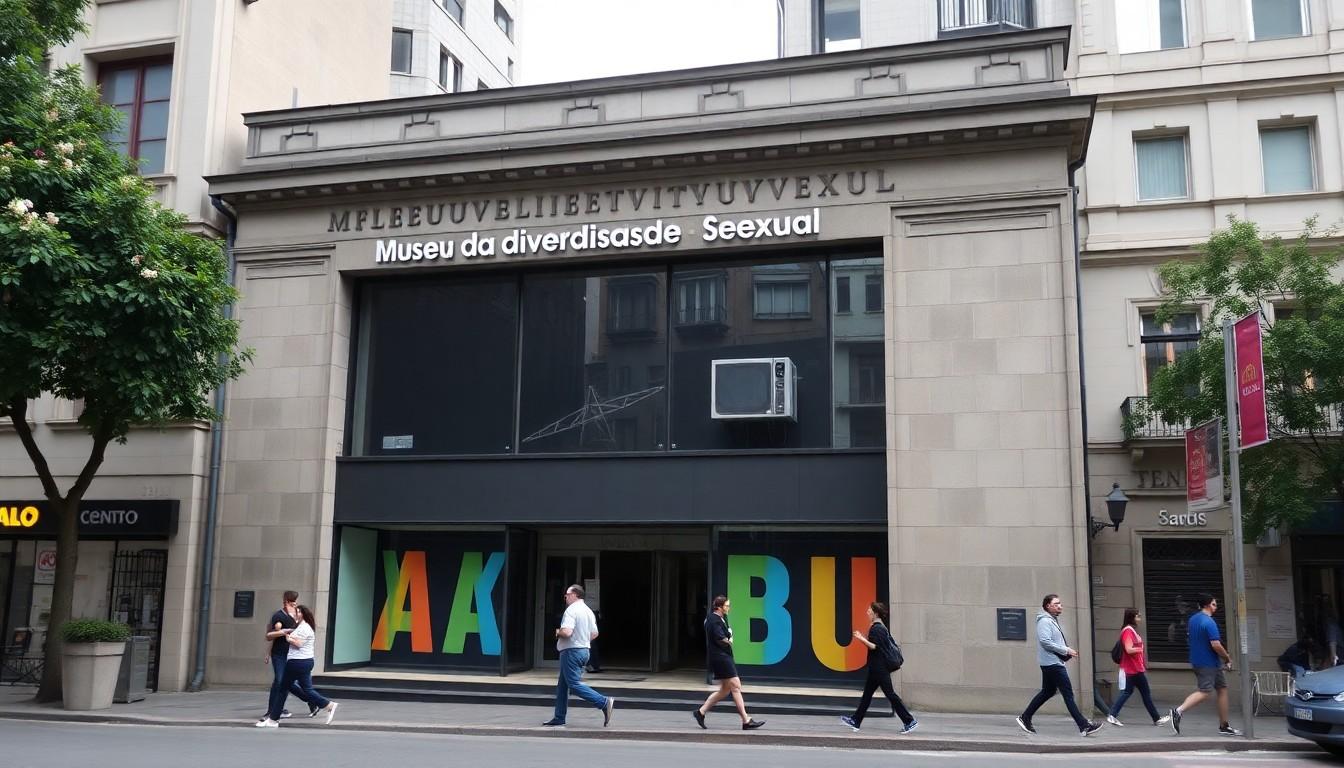
Shoppers and travellers are flocking to São Paulo and Rio de Janeiro for more than sun and skyline, these cities are winning praise for lively LGBTQIAPN+ scenes that mix bars spilling onto pavements, late-night drag shows and museums devoted to memory and resistance, making both destinations worth visiting all year round.
Essential Takeaways
- Vibrant nightlife: São Paulo’s street-facing bars and Rio’s drag nights deliver an energetic, spontaneous late-night vibe.
- Cultural depth: The Museu da Diversidade Sexual offers thoughtful exhibitions, workshops and community programming for visitors who want more than a night out.
- Standout venues: Bandeira Bandeira, Pink Flamingo and Novooeste Bar are highlighted for their atmosphere, performances and creative programming.
- Tourist-friendly: São Paulo and Rio rank highly with LGBTQIAPN+ travellers and are accessible by international flights, with strong domestic connections.
- Senses & feel: Expect crowded interiors, pavement chatter, lively music and colourful performances that feel both welcoming and fierce.
Why Time Out’s nod matters , it’s about more than nightlife
Time Out’s list spotlighting São Paulo and Rio puts a spotlight on places that combine celebration with cultural memory, and that matters. A late-night drag show can feel electric, sure, but it’s the combination with museums and community spaces that gives these cities depth. According to coverage of the selection, venues in both cities were chosen for how they create belonging, not just entertain. If you’re planning a trip, aim for evenings when bars splice seamlessly into the street, bring comfortable shoes and an appetite for long nights.
São Paulo: Pavements, parties and the Museu da Diversidade Sexual
São Paulo wears its creativity on every corner, from the packed indoor bar to the pavement spill of Bandeira Bandeira in Barra Funda. The city also hosts the Museu da Diversidade Sexual, Latin America’s first museum dedicated to sexual diversity, which blends exhibitions, workshops and a book club into visits that feel like a conversation. Industry coverage notes how the city’s Pride parade, huge, loud and often Guinness-recognised, anchors a year-round openness. Practical tip: combine a museum visit with an evening in Pinheiros or Vila Madalena to see how different neighbourhoods sing.
Rio de Janeiro: Drag, samba and neighbourhood flair
Rio’s selection skews playful and performative in equal measure. Pink Flamingo in Copacabana brings glitter and drag performances, while Novooeste in bohemian Santa Teresa merges live music, art and food. The city’s postcard sights, Copacabana, Ipanema, Lapa’s samba, sit alongside memory-rich cultural sites like Little Africa and the Museum of Tomorrow, creating contrasts that work beautifully. Travellers should expect vibrant street life and a social rhythm that moves from beach to bar to late-night show; book earlier for popular drag nights.
How to plan your trip: logistics and what to expect
Brazil is well-connected by international flights, and São Paulo and Rio are the main arrival hubs before you hop domestic or overland. Both cities serve up a mixture of intense cultural days and long, social nights, so pace yourself. For safety and comfort, go with daylight exploration of museums and reserve the wiggles, sequins and louder evenings for when you’re rested. If you travel during Pride season, expect bigger crowds and special programming but also unforgettable street energy.
Choosing the right venues for your vibe
If you want high-energy drag and packed nights, aim for Pink Flamingo and central São Paulo bars where the pavement socialises as much as the interior. If you’re after reflection, programming and educational context, the Museu da Diversidade Sexual offers quieter, meaningful experiences. Novooeste fits somewhere in between: creative, community-led and great for live music lovers. My tip: mix one museum day with two different neighbourhood nights to get the full spectrum.
It’s a small change to your itinerary that can make every visit feel more inclusive, lively and memorable.
Source Reference Map
Story idea inspired by: [1]
Sources by paragraph: