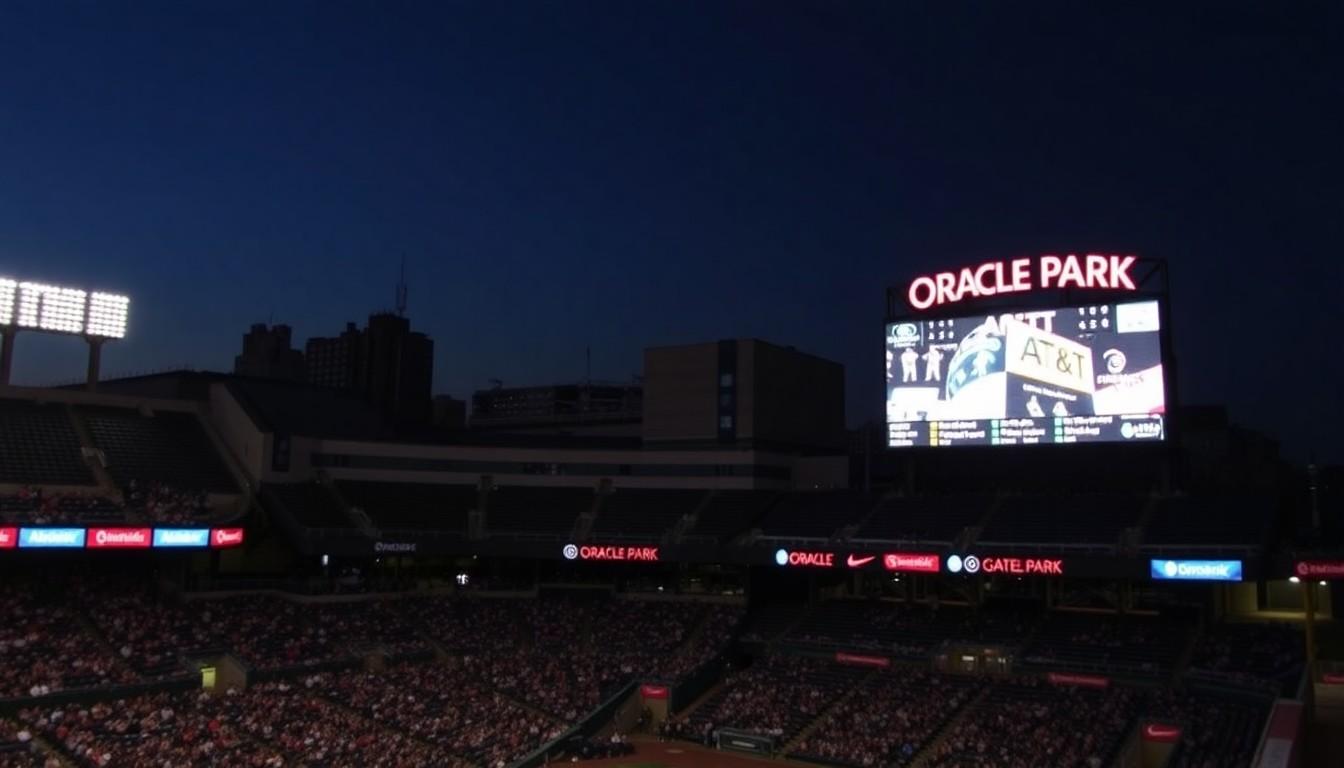
Shoppers of sports culture are watching closely as the San Francisco Giants' Pride Night controversy highlights questions of accountability, inclusion, and communication; Roscoe Mapps, the club’s out chief diversity officer, has quietly stepped into the response , but many fans say the answers still aren’t enough.
Essential Takeaways
- Who’s responding: Roscoe Mapps, the Giants’ chief diversity and inclusion officer and an openly gay executive, has been personally replying to some fan messages after Pride Night drew backlash.
- What happened: Three pitchers altered rainbow Pride caps with Bible verses, sparking outrage from LGBTQ fans and allies and broader criticism of the team’s handling.
- Tone matters: Fans describe the organisation’s public statements as PR‑filtered and lacking clear accountability or concrete corrective steps.
- League interest: Major League Baseball has flagged communication failures and warned players about modifying official Pride gear.
- Emotional context: Many supporters say the incident felt like a betrayal; for others, the Pride cap tradition had been a meaningful symbol of inclusion until now.
Why Roscoe Mapps’ role feels so personal to fans
Mapps has been with the Giants since 2015 and is widely credited with pushing the team toward visible Pride gestures, like the rainbow cap that debuted in 2021. His presence as an out executive gave those moves a human face, so fans expected him to be central in the response when Pride Night went sideways, not peripheral. Outsports and the San Francisco Chronicle have reported on his involvement in LGBTQ advocacy inside the organisation, and that history explains why his recent, measured emails to some complainants felt simultaneously significant and frustrating to supporters. If you’ve followed the team for years, a quiet reply from someone you know is better than silence , but it’s not the same as a clear organisational fix.
What actually happened on Pride Night, and why it matters
Three pitchers wrote Bible verses on the team’s rainbow caps during the Pride event, altering a symbol meant to signal welcome. Local outlets and sports reporters documented the incident and the immediate storm of fan letters and social media anger that followed. Beyond the headline, the deeper issue was the club’s initial public stance: limited comments, no immediate apology, and no detailed plan for preventing similar acts. That gap fed the perception that the front office treated an emotional harm as a PR hiccup rather than a values breach. If you’re choosing games or renewing season tickets, that perception will matter more than an abstract statement.
The league and communications angle: lessons in crisis handling
Major League Baseball stepped in with sanctions and warnings around player conduct and alterations to official gear, and the commissioner’s office later pointed to communication failures by the Giants’ front office. SportsBusiness Journal and other industry outlets flagged the missteps as a cautionary tale for other clubs. From a practical perspective, teams that face sensitive cultural flashpoints need two things: a clear timeline of facts and a plan for specific remedies. Fans want to know what will change , education, protocol for gear, or discipline , not just that management “takes concerns seriously.” That’s a useful benchmark for assessing any future statements from the Giants.
Fans and the grassroots backlash: letters, Reddit and real feelings
Outsports has published dozens of letters from season-ticket holders and long-time fans expressing betrayal, including messages directly addressed to Mapps. Social spaces like Reddit amplified the same sentiment, with many readers calling early responses inadequate or PR-driven. That grassroots outrage isn’t just noise; it’s a signal that community trust has been shaken. For supporters who found the rainbow cap meaningful and visible, seeing it defaced felt like a personal slight, which explains why some gay fans and allies expect stronger, faster redress.
Where Mapps’ email fits , consolation or displacement?
Last week Mapps emailed some complainants thanking them for their messages and saying their input will “shape the work ahead.” That tone, warm but non-specific, pleased few; critics wanted concrete actions and named accountability. Outsports reached out for comment and had not received a public, detailed reply from Mapps at the time of reporting. There’s an important distinction between personal outreach and organisational responsibility. Mapps’ note may reflect genuine empathy and a desire to listen, but fans will judge the effort by subsequent steps: transparency about investigations, clearer policy on team gear, and meaningful community engagement.
What fans and other teams can take away right now
If you’re a season-ticket holder or community member thinking about what’s next, look for these signs: formal acknowledgement of responsibility, a timeline for corrective actions, and commitments to education or policy change. Other clubs should also see this as a reminder that symbolic gestures require robust internal safeguards. And if you want to hold organisations to account, continue writing, engaging in local forums, and asking for specifics. Public pressure and smart, sustained dialogue are often the only ways to turn an apology into real change.
It's a small shift of accountability that can make every Pride gesture feel safer and more honest.
Source Reference Map
Story idea inspired by: [1]
Sources by paragraph: