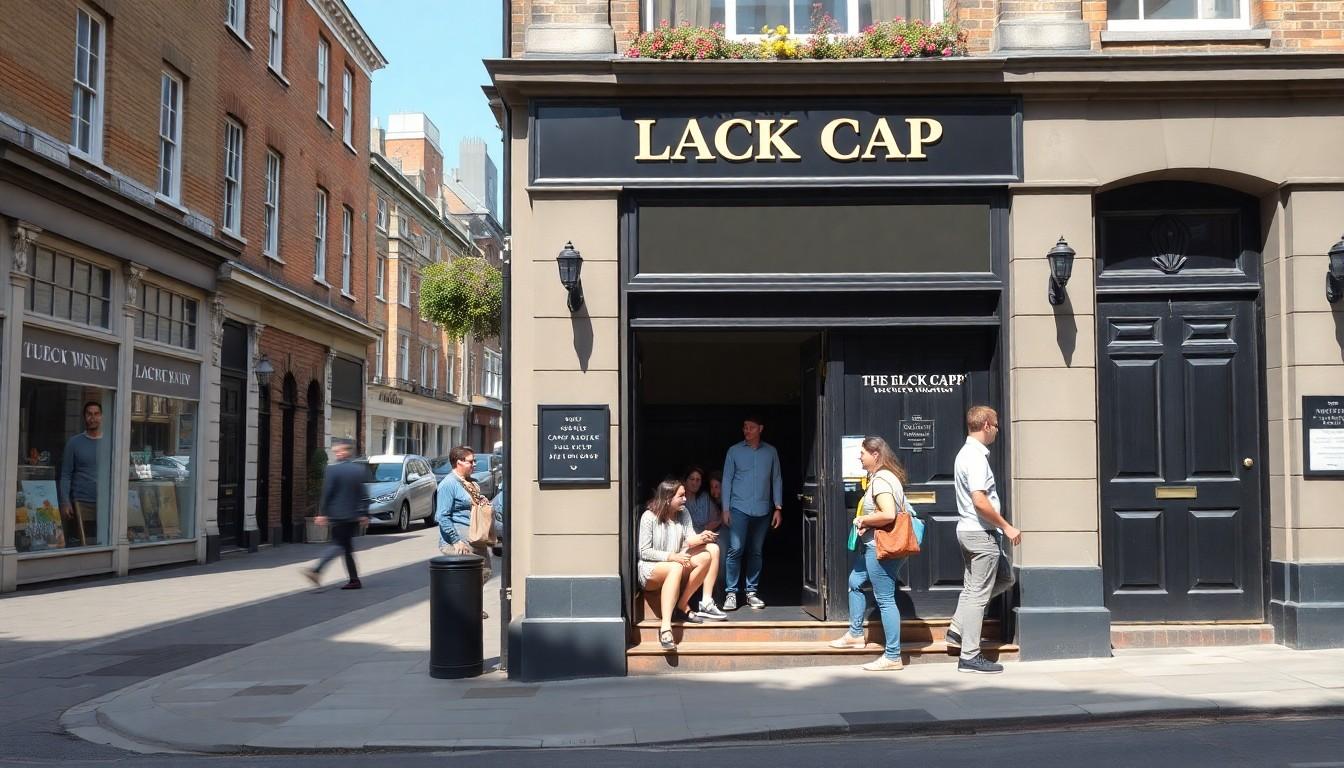
Shoppers are turning to gay bars and Pride-friendly venues across London to watch the World Cup, and for good reason , they offer a buzzy, safe alternative to average pubs, especially when the result hurts. If you want drama, drag and a kinder crowd, here are spots and tips to make matchday work for you.
Essential Takeaways
- Safe vibe: Gay bars like the Black Cap and others offer a warm, inclusive atmosphere with music, drag and up‑tempo karaoke that breaks the post‑match silence.
- Growing scene: Around 50 LGBTQ supporters groups and roughly 200 queer‑friendly clubs and teams in the U.K. now help organise watch parties.
- Real risks: LGBTQ people still face higher rates of harassment in pubs; studies show one in five Britons and three in ten LGBTQ patrons report discrimination.
- Practical choice: Pick venues that actively promote inclusivity and work with Pride groups , you’ll find fewer slurs, more allies and a friendlier crowd.
- Look ahead: New EHRC guidance and shifting allyship mean gay bars will be vital community hubs through future tournaments.
Why gay bars feel like a refuge on England match nights
There’s a soft, unexpected comfort to being in a room that applauds a brilliant corner one minute and launches into a drag performance the next. According to reporting from Outsports, places such as Camden’s Black Cap have become sanctuaries where the emotional highs and lows of the World Cup are shared without judgment. That mix of camp, music and sport keeps the atmosphere lively , and it’s a balm when the result isn’t what you hoped.
This blending of football fandom with queer culture didn’t happen overnight. For years, the two worlds rarely overlapped, and when they did it could be awkward. Now, many LGBTQ venues deliberately screen big matches, and they’re helped by a growing network of supporters groups that want a safe place to cheer. If you’re nervous about how you’ll be received in a traditional boozer, these bars are the obvious alternative.
How organisers and supporters build inclusive watch parties
Watch parties often come together because local queer teams and supporters groups partner with bar owners to host screenings. Outsports notes about 50 supporters groups and around 200 clubs in the U.K. that explicitly label themselves as queer‑friendly, and they’re frequently the driving force behind these events. That collaboration means organised chanting, planned viewing times and a crowd that understands the rules of basic respect.
If you’re planning to attend, look for events promoted by Football Pride or local LGBTQ football clubs , they tend to be the ones who police behaviour and ensure inclusivity. Arrive early if you want a good spot and to meet people; latecomers often find the room already warmed up with conversation and karaoke.
The ugly context: harassment, slurs and why these venues matter
Despite the fun, it’s important to remember why queer‑friendly spaces are so necessary. Reporting cited by Outsports highlights research showing that a sizeable proportion of pubgoers have experienced harassment , and the figure is worse for LGBTQ people. There are also fresh reminders from the tournament of how football crowds can normalise homophobic language, with incidents reported at matches and online.
That’s why venues that commit to zero tolerance on slurs are so valuable. They offer a place where you don’t have to police yourself or endure abuse, and they help keep younger fans safe from seeing hate as acceptable behaviour. For many, watching a big match in a gay bar isn’t just about comfort; it’s about dignity.
Practical tips for picking the right gay bar for matchday
First, check whether a venue is officially hosting a screening and if the event is organised with local LGBTQ groups , that usually signals a managed environment. Look for bars that advertise stewarding, quiet zones or family‑friendly areas if you’re bringing mixed groups. If you’re sensitive to noise, venues with separate viewing and performance spaces can be a good bet.
Also, read recent social posts and reviews; patrons often call out poor behaviour quickly. And if you’re going with friends, agree a meeting point , Pride crowds can get lively, and you don’t want to be trying to find one another in a packed room after a last‑minute goal.
The wider picture: allyship, policy and the future of queer matchdays
The tone of public allyship in men’s football feels different now than it did in recent tournaments, and changes in law and guidance , including upcoming EHRC advice , could affect how venues operate and who feels welcome. Outsports coverage suggests the era of loud, overt ally gestures in the men’s game may have cooled, making grassroots spaces like gay bars even more important as hubs of support.
Events like Football Pride and local watch parties will likely grow in importance as safe, visible places to enjoy the game. Expect more bars to embrace screenings, and more supporters groups to mobilise , not just for football but as defenders of inclusive matchday culture.
It's a small change that can make every match feel safer and more joyful.
Source Reference Map
Story idea inspired by: [1]
Sources by paragraph: