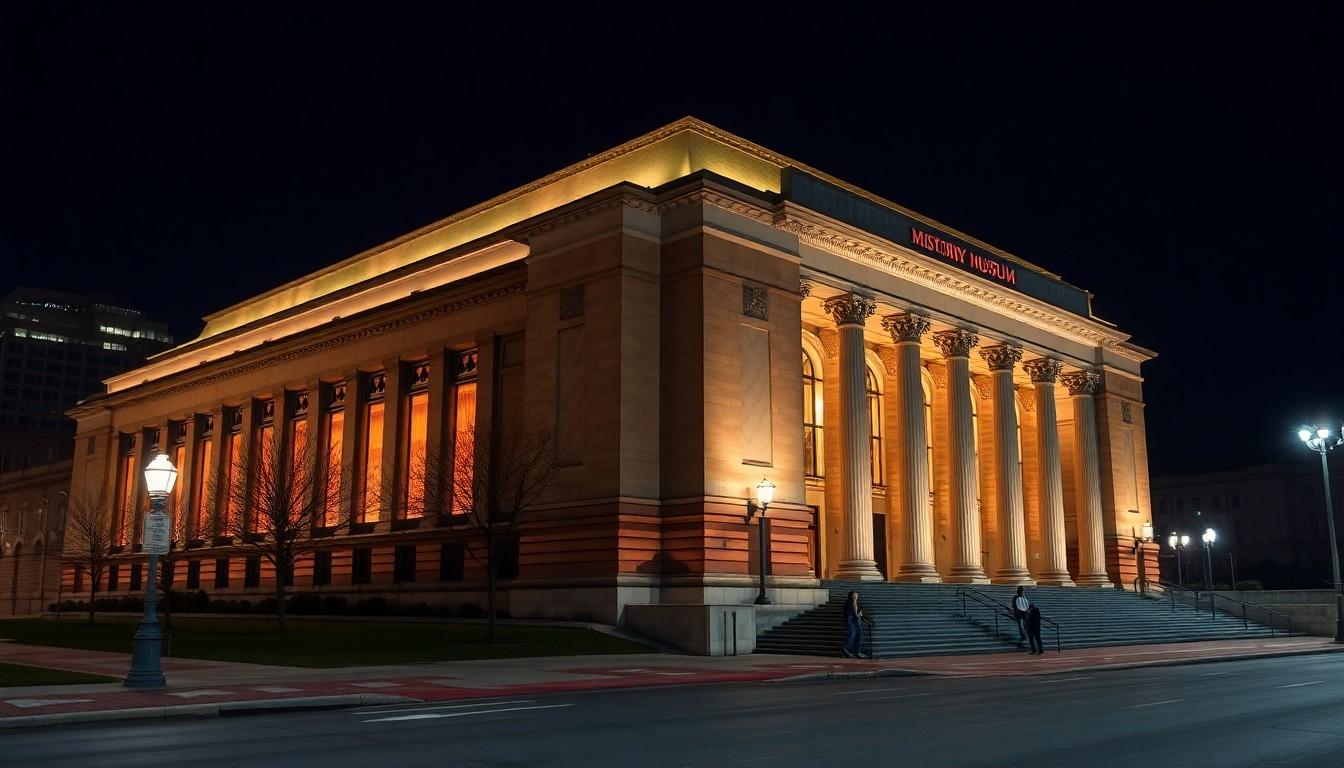
Marvel at how a local museum turned a quiet archival fight into a full‑blown celebration , visitors, donors and activists helped transform 6,000 square feet into a vivid record of St. Louis’s LGBTQ+ past, and the project shows why preserving queer stories matters now more than ever.
Essential Takeaways
- Large‑scale exhibit: The Missouri History Museum opened a 6,000‑square‑foot Gateway to Pride display that combined artifacts, oral histories and multimedia. It felt immersive and personal.
- Community‑driven: Hundreds of items , wedding dresses, T‑shirts, diaries, an ACT‑UP coffin and a DYKE licence plate , were donated by local LGBTQ+ people and groups.
- Historic firsts preserved: The show featured early documents such as Claude Hartland’s 1901 memoir and material tied to the Metropolitan Community Church’s St. Louis founding.
- Virtual legacy: The museum filmed the exhibit in detail and produced a virtual version, so the display endures beyond its physical run.
- Emotional impact: The exhibit drew more than 100,000 visitors and closed with a celebratory final walk‑through, underlining how civic museums can help heal and educate.
How a small archival battle became a landmark exhibit
The story begins with quiet acts of advocacy and a few nervous editors , and ends with a packed gallery and a filmed, preserved show. Local historians and curators coaxed decades of private ephemera and risky stories into the public square, which made the exhibit feel both fragile and celebratory. Visitors reported a mix of goosebumps and joy, because objects like hand‑made protest signs and a license plate that read DYKE carry a tactile honesty you don’t get from abstract histories. For anyone interested in civic memory, it’s a reminder that persistence , and people willing to loan things that matter , can change what gets remembered.
Community donations made the exhibit personal and colourful
This wasn’t a top‑down museum project so much as a community conversation. Hundreds of donors contributed items that tell smaller, intimate stories: a disco ball from a local club, wedding gowns worn by couples who fought for recognition, and a coffin used in ACT‑UP demonstrations. That patchwork of objects built an emotional throughline from early struggles to modern pride, and it’s why the show resonated with so many visitors. If you’re thinking of donating family items, the exhibit is a good case study , museums need provenance, context and a willingness to display imperfect, human things.
Why the Metropolitan Community Church’s story matters here
One powerful thread in the exhibit is the tale of the Metropolitan Community Church in St. Louis, started by pioneers who brought queer‑affirming worship to conservative communities. The church’s presence in the gallery showed how faith and queer identity have long intersected, often in contentious but ultimately community‑building ways. Museums including religious artefacts and oral history snippets help complicate neat narratives about church and LGBTQ+ life, and they remind visitors that civil rights and spiritual life have often been entwined.
Small‑town memoirs and early queer publishing give the show depth
Rare items anchored the exhibit historically: a first edition of Claude Hartland’s early memoir, for instance, and printed materials from the turn of the 20th century. These paper trails give weight to local stories by demonstrating continuity , queer lives and expressions didn’t start yesterday. Archivists involved stressed how such documents prompt new questions for researchers and readers alike. If you’re an amateur historian, this is a nudge to check local repositories; surprising finds often sit in municipal archives or university special collections.
The exhibit lives on thanks to film and a virtual version
When a temporary exhibit closes, most of the visceral experience is gone, but the museum filmed the entire Gateway to Pride show with curator narration, and it also launched a virtual exhibit. That recorded version broadens access for people who couldn’t make the trip and provides a researchable resource for educators and students. The takeaway is practical: if you care about public history, push institutions to create digital surrogates , they’re the easiest way to keep community memory alive when gallery walls come down. Expect more museums to pair big physical shows with rich online offerings.
It's a small change in how museums work, but it makes all the difference to the stories that get told.
Source Reference Map
Story idea inspired by: [1]
Sources by paragraph: