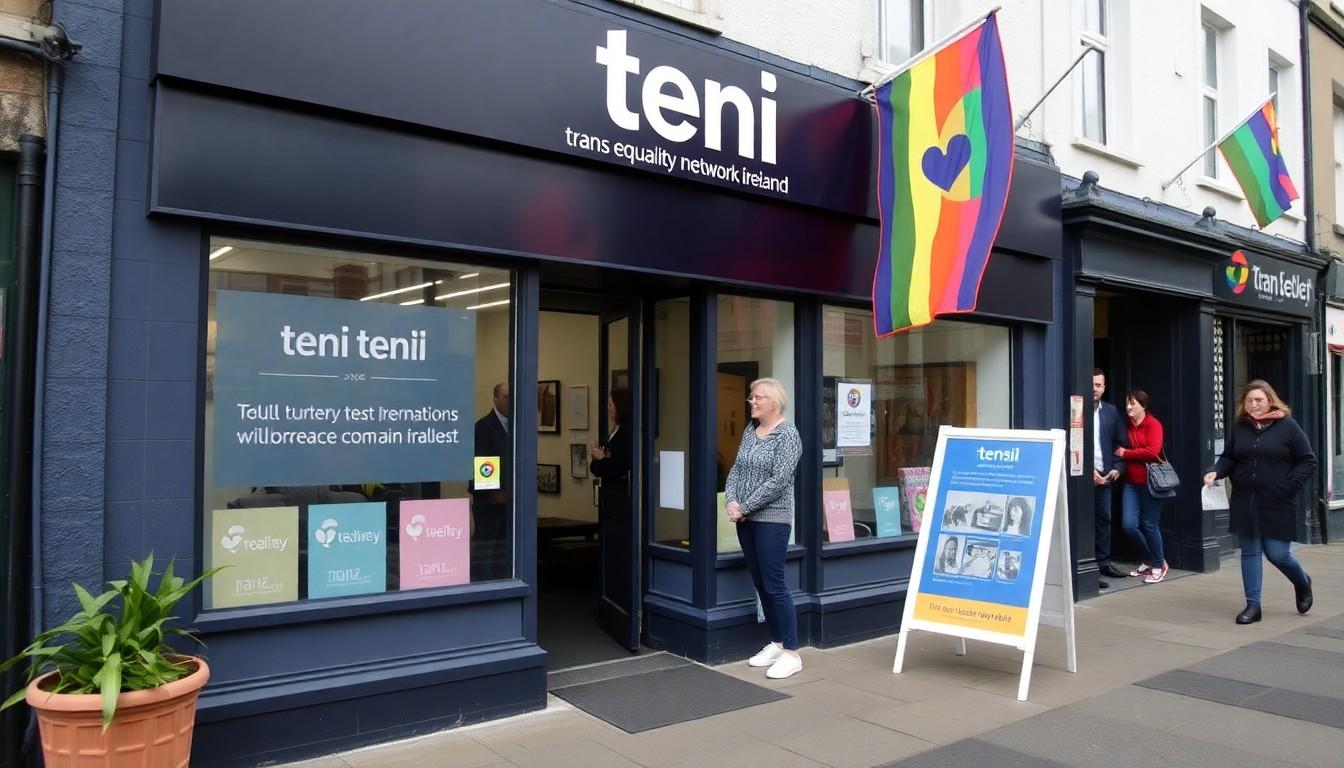
Shoppers of policy and supporters of community groups are watching closely as a coalition of 24 organisations has launched "Funding Inclusive Futures", a fully costed Pre-Budget Submission calling for urgent investment in regional services, trans healthcare and mental health supports so LGBTQI+ people can live safely and equally across Ireland.
Essential Takeaways
- Broad coalition: 24 community and national groups united to present a single, evidence-based ask to Government.
- Local needs first: The submission highlights overstretched regional services and a shortage of dedicated local spaces, especially outside Dublin.
- Health gaps: Critical shortfalls in trans healthcare and mental health supports are central priorities for funding.
- Political engagement: The coalition briefed Oireachtas members at Leinster House, putting demands directly to policymakers.
- Practical ask: The roadmap is fully costed and designed to be implemented through schools, health services and community funding.
Why this pre-budget push matters now
The coalition’s timing is sharp: Budget 2027 planning is underway, and groups want commitments early. The feeling among frontline workers is tangible , services are strained, waiting lists are long and safe, welcoming spaces are scarce in many counties. According to reporting from national outlets, the submission bundles lived experience, service data and clear price tags, which makes it harder for politicians to reply with vague promises.
This isn’t just a wish list. It’s a practical blueprint aimed at decision-makers who can fund staff, clinics and community hubs. If the State acts, it can reduce pressure on emergency services and improve outcomes for young people and adults alike.
What the funding would deliver on the ground
Think straightforward wins: quicker access to gender-affirming care, more counsellors trained in LGBTQI+ issues, and vibrant local community centres that double as safe meeting spots and service hubs. The proposal argues that investing in schools , for anti-bullying programmes and inclusive supports , stops harm before it escalates.
Practical tip: voters and local groups can ask their TDs how they’ll support ringfenced funding for those specific services, not just general community budgets that often get spread thin.
How politicians were put on the spot at Leinster House
The groups briefed Oireachtas members in person, presenting evidence and the costed roadmap. That kind of face-to-face pressure is useful , it turns abstract needs into names, stories and numbers. Government responses reported in national media suggest the submission has opened conversations across party lines, though translating talk into allocated euros will be the next hurdle.
Expect opposition and questions about fiscal constraints; the coalition has tried to pre-empt that by prioritising high-impact, achievable investments first.
Why regional services and spaces are a recurring theme
Dublin has a relative concentration of supports, but most people live outside the capital. The submission stresses that postcode shouldn’t determine whether you can find a trans healthcare appointment or an LGBTQI+-friendly counsellor. This is as much about geography as it is about equality.
If you live in a rural area, it’s worth noting how local clinics and youth services can be bolstered by modest grants. Community groups can apply for small capital funding to create drop-in spaces or fund outreach workers who travel between towns.
What success would look like , and what to watch for
Success means reduced waiting times, more visibly safe spaces, and fewer crises landing in emergency departments. It also means schools where LGBTQI+ pupils feel seen and supported. Watch upcoming budget documents for line items on mental health, community development and specific allocations for trans healthcare pathways.
You can support the campaign by contacting your local representative, sharing the coalition’s materials, or backing local LGBTQI+ services financially or with volunteer time.
It's a small change that can make every local service safer and more reliable for LGBTQI+ people.
Source Reference Map
Story idea inspired by: [1]
Sources by paragraph: