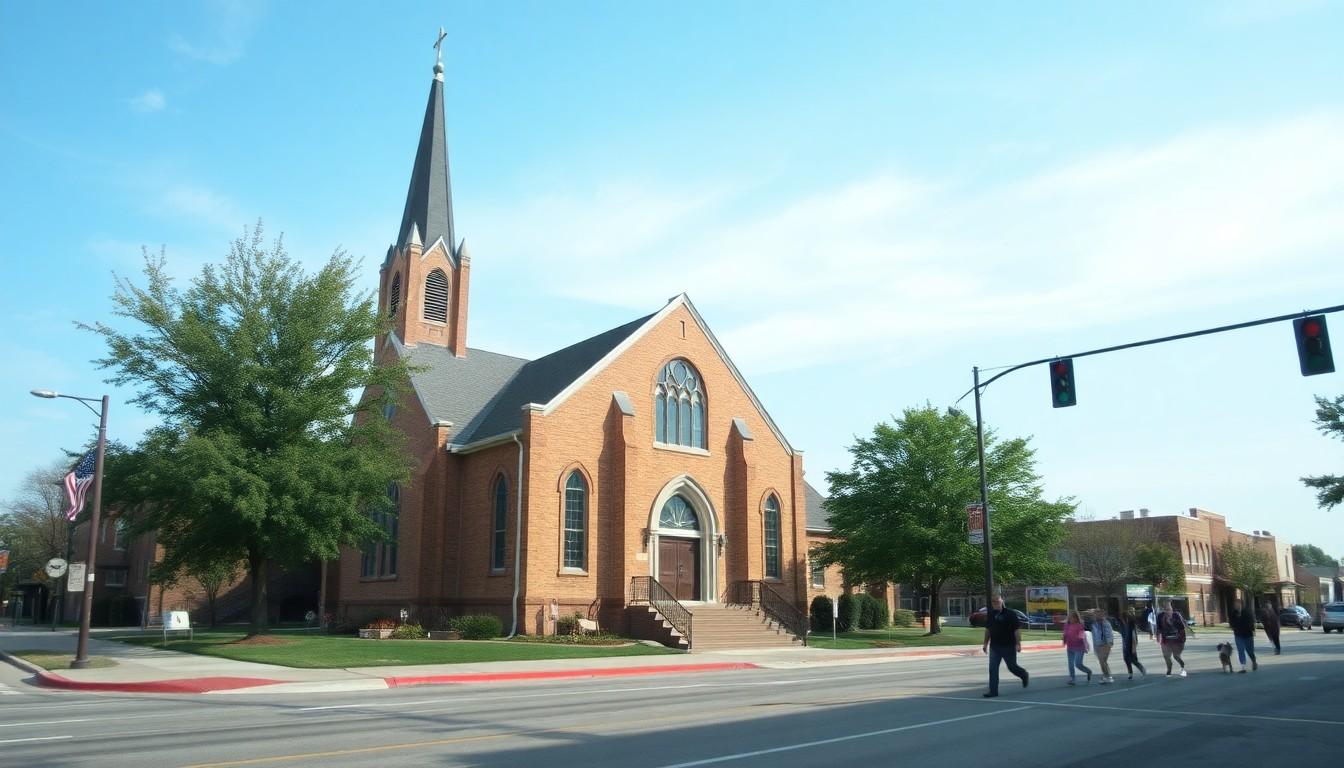
Shoppers, sorry, worshippers, are noticing churches blend ancient ritual with modern symbols; a Dayton congregation’s rainbow-coloured communion bread during a Pride observance has sparked wide debate about liturgy, inclusion and the meaning of sacred signs. Here’s a clear, practical look at what happened, why people care, and how communities are responding.
Essential Takeaways
- What occurred: A Dayton parish served rainbow-dyed communion bread during a Pride-themed service as a gesture of welcome for LGBTQ attendees.
- Sacred symbolism: Many Christians see communion bread as a solemn symbol of Christ’s body, and altering its appearance felt to some like a shift in the sacrament’s focus.
- Supporters’ view: Advocates said the gesture signalled inclusion and pastoral outreach, aiming to welcome marginalised people into worship.
- Practical tension: The episode highlights a wider church dilemma, how to balance hospitality and contemporary cultural signals without changing core liturgical meaning.
- Atmosphere: Reactions ranged from hurt and theological concern to gratitude and relief, creating a charged, emotional conversation in the congregation and beyond.
What actually happened in Dayton , and the visible detail that set people off
A congregation in Dayton chose to use rainbow-tinted loaves for Communion during a Pride observance, a move that was obvious at first glance and instantly symbolic. The visual choice, bright stripes and colours where plain bread had always been, is simple, but symbolism in worship is powerful, and worshippers noticed. According to local reporting, church leaders said the colours were meant to affirm LGBTQ members and make the service feel more welcoming. For some attendees, that intention mattered; for others, the colour change felt like an unnecessary overlay on a sacrament with deep, established meaning.
Why colours in liturgy ignite strong responses
Communities often react strongly when familiar rituals are altered. Communion has been central to Christian worship for nearly two thousand years, and practitioners point to Jesus’ words at the Last Supper as fixing the elements’ purpose: a focus on sacrificial love and remembrance. When a congregation visibly alters an element, by scent, shape or, here, colour, it can shift attention from that remembrance to whatever the new symbol signals. Critics argue this redirects devotion toward a social cause; supporters argue it invites those who feel excluded to the Lord’s Table. Both positions appeal to conscience and to care for spiritual integrity.
Where this sits in a bigger cultural and church trend
This incident isn’t isolated; it reflects ongoing tensions across denominations about adapting worship to contemporary issues. Some churches are experimenting with language, music and liturgical art to communicate welcome, while others prioritise preserving traditional forms. The Dayton example illustrates how a relatively small liturgical decision can become a flashpoint when it touches broader cultural debates, especially those around LGBTQ inclusion and the meaning of public symbols. For congregations deciding whether to experiment, the takeaway is practical: changes that feel subtle to leaders may feel profound to longstanding members.
Practical guidance for churches considering symbolic changes
If a parish is thinking of introducing new visual or ritual elements, simple steps reduce friction. First, talk widely beforehand, explain pastoral intent and the theological thinking behind the choice. Second, offer alternatives or explanations during the service so people who are uncomfortable can participate in a way that honours their conscience. Third, be prepared to listen afterwards; controversies rarely resolve without patient conversation. Leaders who approach change with humility, transparency and pastoral care tend to keep relationships intact, even when views differ.
The human reactions and what might come next
Reactions ranged from upset and calls for doctrinal clarity, to gratitude from LGBTQ attendees who felt seen. The conversation now sits in a public space: local advocacy groups, parishioners and regional church bodies are weighing in, and other congregations are watching to see how tone and policy shift. For many, the heart of the debate is pastoral, how to welcome those who’ve felt alienated, while also stewarding symbols that point people back to the gospel. Expect continued discussion, more local guidelines, and perhaps clearer denominational statements on blending cultural symbols with sacraments.
It's a small change with a big ripple; how churches navigate it will say a lot about the future shape of communal worship.
Source Reference Map
Story idea inspired by: [1]
Sources by paragraph: