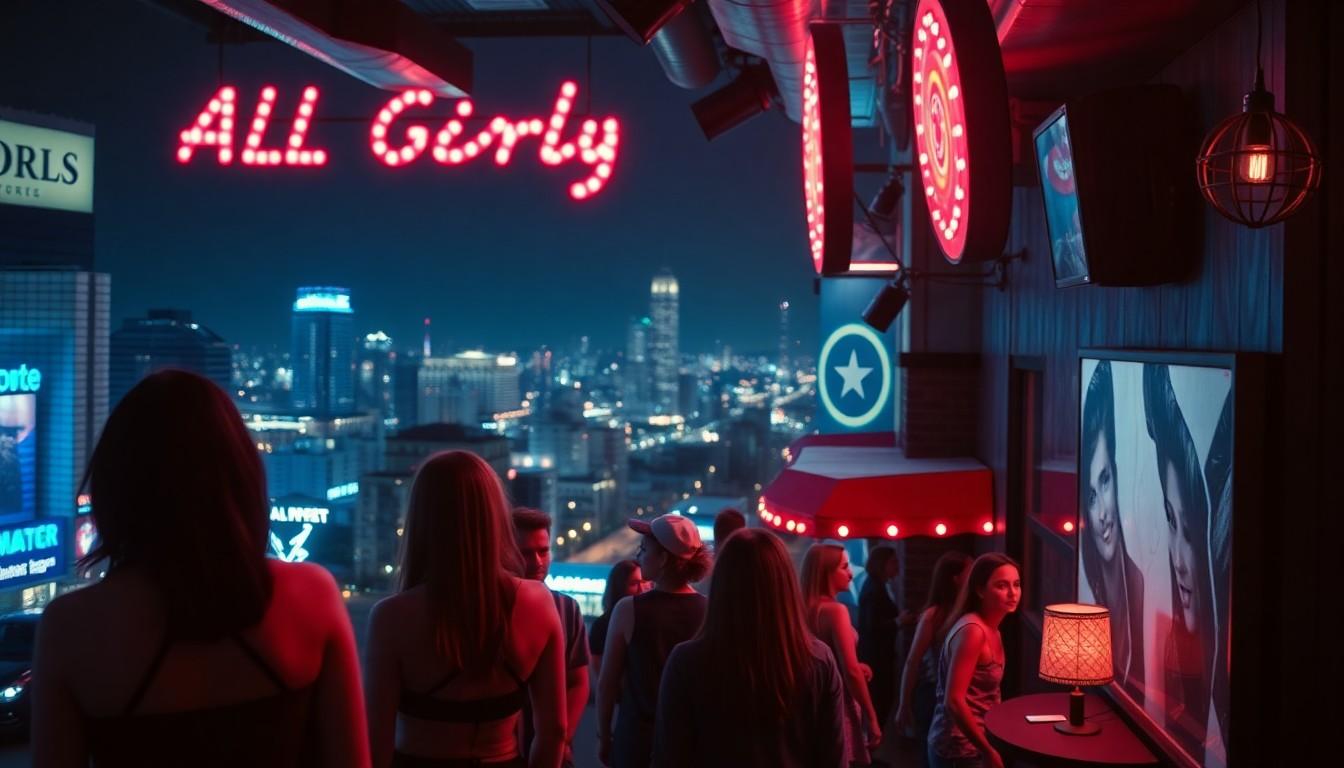
Shoppers and cinephiles are flocking to support a new, crowd‑funded documentary that follows Vancouver’s breakout all‑trans femme comedy show , it’s funny, tender and built from community. The film charts seven performers, backstage chaos and the grassroots energy that made this show a local phenomenon, and it matters because it’s storytelling by and for trans people.
Essential Takeaways
- Local roots: The film follows a Vancouver show that grew from an open mic into a flagship all‑trans femme stand‑up night, with a tight, grassroots vibe.
- Tone mix: Expect a documentary that blends performance clips with intimate off‑stage interviews , more human story than straight comedy special.
- Creators with lived experience: The project is led by trans producers and a trans director, prioritising authentic voices and community ownership.
- Crowdfunding in play: The team has launched a public campaign to finance the feature, inviting viewers to help take the project from stage to screen.
- Emotional range: The film aims to balance the humour of stand‑up with honest conversations about resilience, identity and joy.
Why this Vancouver comedy night became a film-worthy story
The hook is obvious: a locally produced, all‑trans femme stand‑up show that has outgrown basement rooms and built a visible community deserves attention. According to event listings and festival pages, the show started as an open mic and blossomed into a regular, much‑loved night that showcases emerging talent. That kind of organic growth is cinematic , the performers are funny, the backstage is messy and the stakes feel real.
Ky Sargeant, the show’s founder, realised the story had wider resonance and began seeking collaborators. The result is a documentary that isn’t trying to turn the stage into a linear special, but to weave performance into lived experience, so audiences get the full emotional texture behind the laughs.
How the filmmakers balanced stand‑up rhythm with documentary storytelling
Trans Girls: Raw & Uncut isn’t promising an hour of uninterrupted jokes. Instead, the team has been deliberate: performances are woven into the narrative to punctuate, not dominate, the film. That approach echoes classic queer documentaries which mix performance and life, letting scenes breathe so the humour lands against real‑world context.
For viewers this means you’ll see polished stage bits one moment and raw, unvarnished conversations the next. It’s a smart choice , it keeps pacing varied and allows space for the deeper stories people bring off stage.
Why lived experience behind the camera changes the conversation
There’s a growing push for trans and queer creators to tell their own stories, and this project is a clear example. With Ky producing and Mily Mumford directing, the team foregrounds authenticity in front of and behind the lens. Mumford’s background in both documentary and narrative work , plus community arts credits , gives the film an experienced hand with a personal stake.
That matters beyond aesthetics. When trans people control narrative choices, the resulting film can subvert stereotypes and centre nuance, not pity or spectacle. For audiences who want representation that feels honest, that’s a major draw.
Crowdfunding and community: why support still matters
The film is turning to public funding to get over the finish line, which mirrors the show’s grassroots spirit. Crowdfunding isn’t just transactional here , it’s a way for audiences to invest in representation and to become part of the story. Campaign pages and festival listings make it easy to find how to chip in, whether you’re local or watching from elsewhere.
If you’re thinking of supporting, consider small contributions that come with perks like early screenings or digital extras. Backing indie documentaries is a practical way to help diverse projects reach festivals and wider distribution.
What audiences can expect emotionally and practically
Expect laughter, and expect to be moved. The film promises to celebrate resilience and community while acknowledging real struggles. It’s designed primarily for queer audiences who already get the context, but the human moments , anxiety, joy, friendship , are universal.
For those planning to watch, seek screenings at queer festivals or look out for community‑hosted showings. These spaces amplify the communal aspect of the project and often include Q&As or meet‑and‑greets with performers, which deepen the experience.
It's a small change that can make every story feel closer to home.
Source Reference Map
Story idea inspired by: [1]
Sources by paragraph: