Watch Scotty Rawk’s story: a British indie stalwart who went from engagement and a quiet life to publicly embracing his queer identity, winning crowd-favourite matches and earning a U.S. tryout , all of which matters for representation, wrestling fans and anyone who loves a good comeback.
Essential Takeaways
- Big moment: Scotty Rawk publicly acknowledged his queer identity after winning TNT Extreme’s Rainbow Rumble, a scene that drew cheers and felt celebratory.
- Career boost: He earned a tryout match with TNA Wrestling in the U.S., signalling growing international interest in his work.
- Personal shift: Rawk moved from an engaged, settled life into a relationship and partnership with fellow wrestler Adam Moverley, a change he describes as transformative.
- Wrestling roots: He co-runs British Wrestling Revolution in Grimsby, helping raise the profile of the local scene with animated, gritty shows.
- Tone and texture: Fans say his promos land with emotional honesty and a punk-rock edge; his wrestling life blends spectacle with real-life evolution.
A watershed mic moment that changed everything
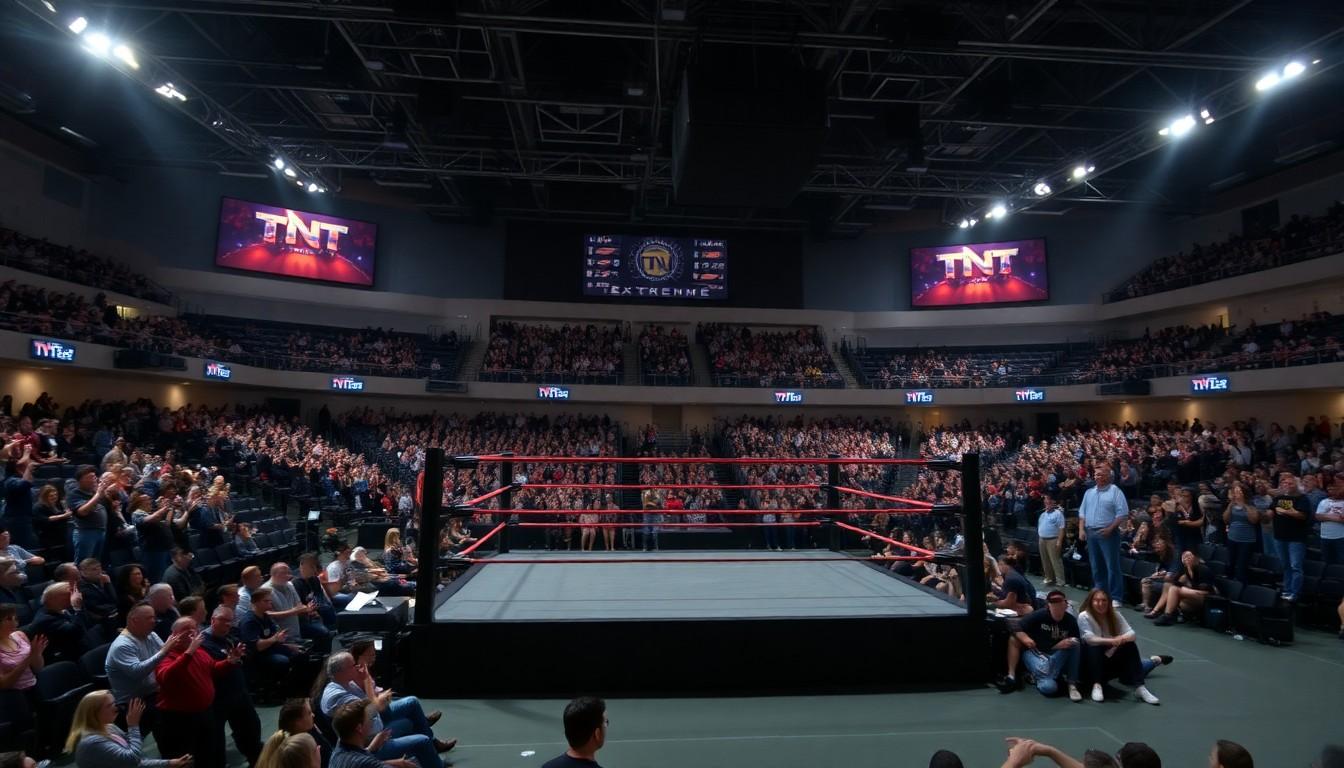
When Scotty Rawk grabbed the mic after winning the Rainbow Rumble last September, it wasn’t just another promo , it was a recalibration. The crowd cheered as Rawk spoke about his life unraveling and reforming, and the moment landed like catharsis: loud, raw and oddly cinematic. According to Outsports, it marked the first public acknowledgement of his queer identity and arrived after a decade building credibility on the U.K. indie scene. For fans, that kind of authenticity makes an already compelling character feel lived-in and real.
From house, cats and an engagement to new directions
Rawk’s backstory reads like something from a working-class coming-of-age film. He describes being engaged, owning a house and ticking the conventional boxes before those certainties quietly shifted. Conversations and long nights spent with Adam Moverley , first a mentor, then a best friend and now partner , nudged open a door Rawk had long kept closed out of habit and fear. He’s talked about questioning inherited assumptions and how wrestling, oddly enough, provided the space to work through identity and addiction issues. That shift is as much about personal survival as it is about romance.
How the British indie system helped make this possible
Scotty Rawk didn’t spring up overnight; he’s a 10-year veteran of the circuit who’s held notable titles and helped build British Wrestling Revolution with Moverley. The indie scene’s close-knit nature , swapping gear, ideas and long drives , becomes fertile ground for deep bonds, and Rawk’s story shows how that ecosystem supports both career growth and personal reinvention. Promotions like BWR give performers creative freedom, so wrestlers can blur the lines between storyline and reality, which in Rawk’s case made his coming out feel organic rather than manufactured.
A transatlantic nudge: the TNA tryout and what it means
Earlier this summer Rawk made the trip to Albany, New York, where he earned a tryout match with TNA Wrestling during their TV tapings. For a U.K. indie star, a U.S. tryout is a legit career accelerator; it’s also an indication that international promotions are watching the British scene for fresh talent. Coverage from 411Mania confirms the tryout, and for Rawk it’s another sign his profile is rising. Practically, a tryout doesn’t guarantee a contract, but it opens doors and brings new booking opportunities , and plenty of stories to tell on the road.
Why this matters beyond one wrestler’s life
Rawk’s journey is part of a broader shift in wrestling culture, where more performers feel able to bring whole selves into the ring. That’s important for fans who want to see diversity and for younger wrestlers looking for role models. Outsports frames the moment as a year of milestones , personal, professional and public , and the resonance goes beyond wins and titles. When a performer whose persona is both theatrical and authentic steps out, it chips away at old taboos and helps normalise queer narratives in a sport built on performance and identity.
It's a small change that can make every show feel more honest.
Source Reference Map
Story idea inspired by: [1]
Sources by paragraph: