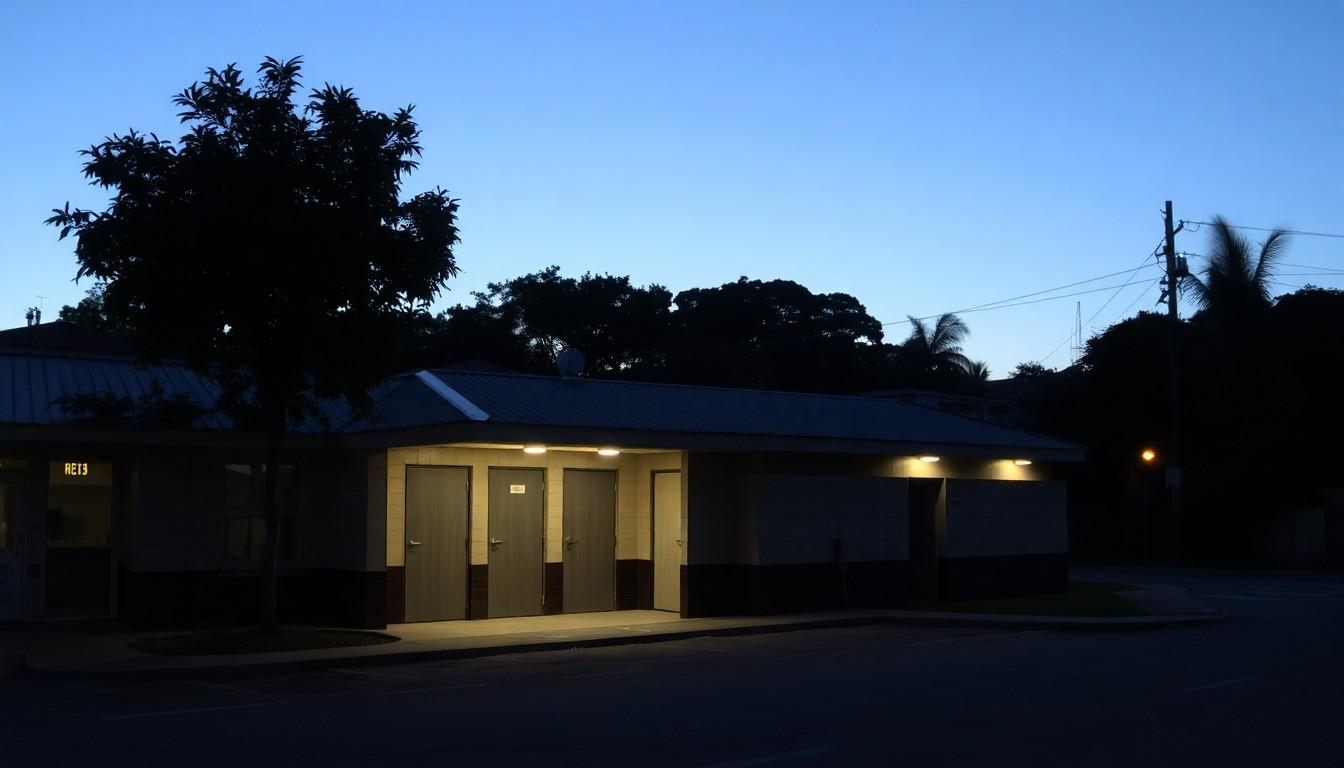
Spotting a rare public plea for conversation, Maya Massafera has reopened a heated national debate about trans women’s access to public bathrooms and safety; the influencer says she wants to sit down even with opponents to explain everyday risks her community faces, and the move has reignited discussion across social and traditional media.
Essential Takeaways
- Direct appeal: Maya Massafera publicly said she wants to talk with political opponents to explain the daily realities of trans women, especially around public bathroom use.
- Safety first: Her argument centres on real safety concerns , night shifts, late travel and the vulnerability of trans women using public facilities.
- Controversy followed: The statement provoked backlash and accusations from some quarters, while others praised the attempt at dialogue.
- Personal context: Maya has spoken widely about her transition and experiences of transfobia, which colours her call for conversation.
- Practical tone: She framed the debate as one about human experience rather than abstract politics, urging people to hear lived stories.
Why her call for conversation landed differently this time
Maya’s decision to publicly invite dialogue felt oddly calming amid the usual online shouting matches; there’s a soft, urgent tone when someone says “I’m desperate” about safety. According to coverage in several outlets, her outreach to figures holding opposing views is rooted in frustration: if no one explains what it’s like, misconceptions persist. It’s notable because many public debates end in blocks or cancel culture, yet she insisted conversation is the only useful route.
The safety argument behind the bathroom debate
Her core point is practical rather than hypothetical: trans women working nights, catching late buses or facing precarious public situations need safe access to facilities. That’s a lived reality she keeps returning to in interviews and posts. Media reporting has emphasised that the conversation isn’t solely about identity language , it’s about preventing harm to vulnerable people who must navigate public spaces daily.
How critics reacted , and why the tactic still divides
As you might expect, reaching out to political hardliners provoked swift reaction. Some accused her of inconsistency; others saw the invitation as brave. Coverage in entertainment sections and columns captured both outrage and support, showing the debate’s emotional charge. Still, Maya defended the move, saying it isn’t hypocrisy to seek talks with those who disagree , it’s necessary if change is to happen.
What this means for public discussion and activism
This episode signals a subtle shift: a few public figures are favouring narrative-driven outreach over performative conflict. By foregrounding individual stories, Maya is trying to turn abstract policy fights into encounters with real people. For campaigners and allies, the practical tip is simple , open lines of communication where possible, but pair them with safety measures and clear boundaries for vulnerable interlocutors.
Practical takeaways if you’re part of the conversation
If you’re an ally, start by listening to lived experiences and centre safety. For workplaces and venues, review restroom access policies with practical scenarios in mind , night shifts, lone workers, and accessible, gender-neutral options where feasible. And if you’re curious about joining conversations, set clear aims: educate, not debate for its own sake.
It's a small change that could make big differences to someone’s night commute or working life.
Source Reference Map
Story idea inspired by: [1]
Sources by paragraph: