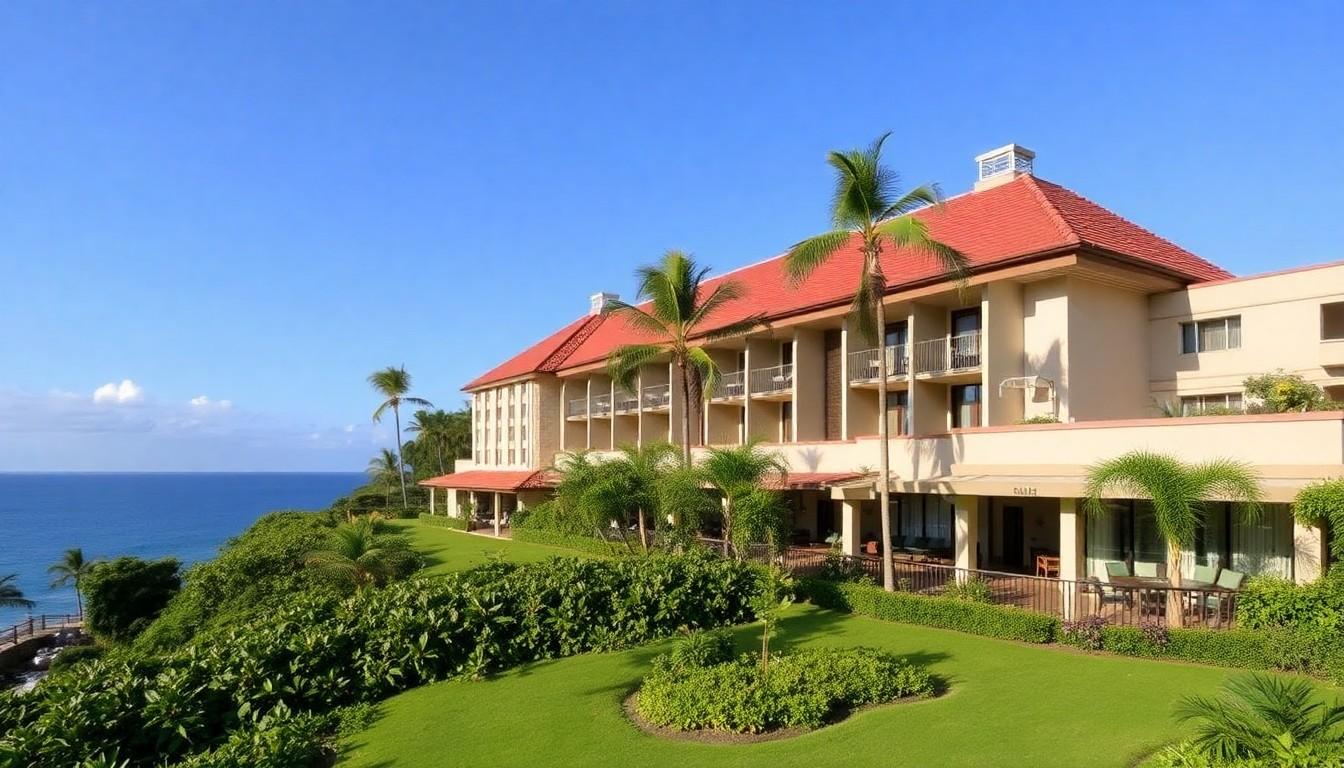
Discover why travellers are flocking to Costa Rica for inclusive beaches, spirited Pride events and pura vida hospitality; this compact guide shows where to stay, what to see and how the country’s legal and cultural progress makes it a welcoming pick for LGBTQ+ visitors.
Essential Takeaways
- Legal milestone: Costa Rica became the first Central American country to legalise same-sex marriage in 2020, boosting travel confidence.
- Friendly scenes: San José offers lively queer nightlife, galleries and a large Pride march that draws regional crowds.
- Coastal retreats: Manuel Antonio, Tamarindo and Santa Teresa are popular with LGBTQ+ travellers for relaxed beach vibes and welcoming resorts.
- Resort highlights: Boutique and luxury stays, like plantation-style hotels near the capital, blend comfort with local culture and activities.
- Pura vida feel: Visitors consistently note a warm, open attitude from locals and an easy-going travel rhythm.
Why Costa Rica’s legal win matters for visitors
Costa Rica’s decision to legalise same-sex marriage in 2020 changed the map for LGBTQ+ travel in Central America, and you feel the ripple effects. Reports from international outlets framed the move as a regional first, which matters because legal recognition often reassures both travellers and businesses. That sense of security filters into day-to-day life: from wedding photos on city streets to more visible queer events and services. If you’re planning a romantic escape or a Pride-centred trip, Costa Rica now ranks as one of the safer, more welcoming options in the region. Practical tip: If you’re travelling for a ceremony, check local rules and hotel packages in advance , the legal framework helps, but logistics still vary by venue and provider.
San José: culture, nightlife and a big Pride moment
San José is the social heart of Costa Rica’s queer scene, with bars, drag nights and art spaces that spotlight LGBTQ+ voices. Long-standing venues and newer spaces both contribute to a lively nightlife, while galleries and community centres provide cultural depth beyond the clubs. The city’s annual Pride march draws tens of thousands and has become a major draw for visitors across Central America, turning the downtown into a colourful, music-filled celebration. For culture vultures, museums and local initiatives often feature work by queer creators, so you can mix a daytime museum visit with an evening show. Plan your trip: Pride month in June is peak time if you want to join the parade; for a quieter visit aim for shoulder seasons when galleries host fresh exhibitions without the crowds.
Beach towns that feel like home: Manuel Antonio and beyond
If you picture long walks on warm sand where you can relax without fuss, Manuel Antonio and coastal towns such as Tamarindo and Santa Teresa fit the bill. Manuel Antonio has earned a reputation as the country’s unofficial gay beach town, with welcoming bars, boutique hotels and a laid-back beach culture. Elsewhere, Puerto Viejo’s Caribbean rhythms and Tamarindo’s surf scene attract a diverse crowd, including LGBTQ+ visitors looking for both nightlife and nature. Resorts and small hotels tend to be open and accommodating, and many venues actively market to queer travellers. Tip: Look for small, locally run guesthouses if you want a more intimate, community-oriented stay; larger resorts often offer extra amenities like guided nature trips or spa treatments.
Resorts with local soul: staying somewhere that feels Costa Rican
A growing number of properties combine luxury with authentic local flavour , think Spanish colonial architecture, coffee-scented courtyards and wellness programmes inspired by local traditions. These hotels make convenient bases for day trips into cloud forests or city museums, and they often host on-site activities that help you connect with local culture. Service in well-regarded hotels tends to be warm and unshowy, which matches the pura vida philosophy: relaxed hospitality rather than ostentation. If you want both comfort and authenticity, seek out properties that advertise eco-friendly programmes and local cuisine. Booking hint: Ask about inclusive policies when you reserve, and if you’re celebrating a legal union, enquire early about venue and documentation assistance.
The vibe: what travellers actually notice
What visitors often mention is the emotional tone as much as the practicalities , Costa Rica’s approach to life, pura vida, shows up as friendliness, curiosity and a willingness to include strangers. That relaxed, empathetic energy registers whether you’re sipping coffee in the Central Valley or watching a Pacific sunset with your partner. Of course, progress on paper and everyday acceptance don’t erase all challenges, but the general trajectory is clear: legal protections have encouraged visibility, and tourism providers are responding by making spaces more intentionally welcoming. Final thought: Whether you’re after a Pride party, an adventure in the rainforest, or a quietly romantic beach break, Costa Rica now offers both the legal backing and the cultural warmth to make your trip feel safe and celebratory.
It's a small change that can make every trip feel more like home.
Source Reference Map
Story idea inspired by: [1]
Sources by paragraph: