Shoppers are turning to community-led celebrations as restrictive school policies leave transgender and gender-nonconforming students sidelined; in Biloxi a first Pride Graduation honoured graduates denied traditional ceremonies, showing why inclusive yearbook and ceremony rules matter for safety and dignity.
- What happened: A community-sponsored Pride Graduation in Biloxi celebrated nine recent graduates who’d been excluded from gender-affirming graduation options, with certificates under an intersex-inclusive Progress Pride flag and emotional speeches.
- Policy contrast: Several Gulf Coast districts don’t restrict clothing by sex assigned at birth, while Harrison County’s handbook still requires dress “according to biological sex,” causing exclusion.
- Emotional tone: Students described relief, validation and lingering fear, events felt celebratory and cathartic, with a “sturdy” sense of community support and visible joy.
- Practical fallout: Parents and advocates have taken concerns to school board meetings and filed complaints and litigation; activists say the policies harm mental health and safety.
- Takeaway for families: If your child is affected, document incidents, attend board meetings, and connect with local support groups and civil-rights organisations for guidance.
A small theatre, big relief: what Biloxi’s Pride Graduation looked and felt like
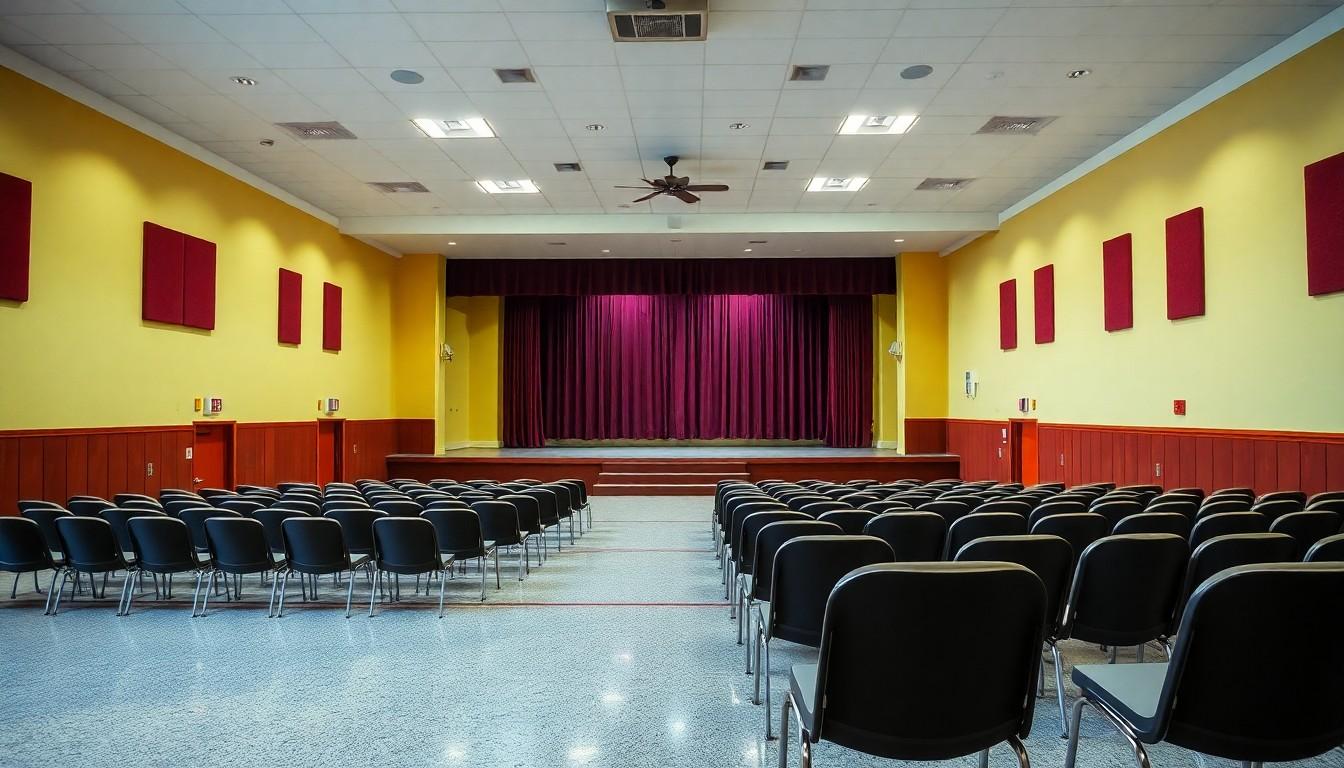
The strongest image from the night was simple and human: graduates in gowns, a stage at the Little Biloxi Theatre, and the sound of mortarboards in the air, only this time nobody was forced into someone else’s idea of their gender. The mood was warm, the photo booth props cheerful, and students wore what made them feel whole. This celebration came after years of fights over dress codes that police gender presentation. Organisers from local nonprofits including the TRANS Program put the event together to fill the gap left by schools that insist on “traditional” senior portraits and tux/drape rules. For families and students it was both vindication and a quiet rebuke.
How Harrison County’s rules differ from neighbouring districts
Not all Mississippi school handbooks are the same. Districts like Hancock, Ocean Springs and Biloxi don’t have language forcing students to wear clothing tied to their sex assigned at birth, while Harrison County’s handbook explicitly does. That contrast helps explain why some students were allowed to participate normally and others felt erased. Legal action and complaints have followed. The ACLU of Mississippi has been involved in litigation and federal complaints alleging sex-stereotyping and discrimination, and court dockets show the matter has been litigated in recent years. For parents this means paying attention to your local handbook language and understanding the avenues for formal complaint.
School boards, public comments and the politics of procedure
School board meetings have become ground zero for this fight. Advocates and parents have gone to board meetings to raise concerns about yearbook photos, social-media posts and graduation rules, only to be met at times with procedural pushback. Experts note that parliamentary rules can be used to limit public participation, which in turn diminishes trust. One parent described being allowed to speak only after multiple visits; others have encountered locked doors and removed sign-up sheets. If you plan to attend a meeting, arrive early, document interactions, and ask about the board’s public-comment procedures in advance.
Real people, real costs: mental health, safety and the urge to leave
Students and parents describe consequences that go beyond a bad photo: anxiety about using bathrooms, fear of harassment, and even thoughts of leaving the state to feel safe. Graduates who missed traditional ceremonies spoke of long-term effects on self-respect and belonging. Community groups say those harms are avoidable. For families, the practical advice is simple: find local support networks, access counselling if needed, and keep records of incidents. Small acts, pronoun pins at events, supportive speeches, and alternative ceremonies, can make a measurable difference to wellbeing.
Legal remedies, advocacy and what families can actually do
If a school enforces a gendered dress code, there are steps to take. Document each incident, save communications, and reach out to organisations such as the ACLU of Mississippi for guidance on complaints or litigation. A federal Title IX complaint is one possible route when policies amount to sex-based discrimination. At the same time, grassroots pressure works. Showing up to meetings, partnering with local nonprofits, and creating alternative celebrations both highlights the problem and provides immediate support to students who need it now.
It's a small change that can make every graduation mean what it should, joy, not judgement.
Source Reference Map
Story idea inspired by: [1]
Sources by paragraph: