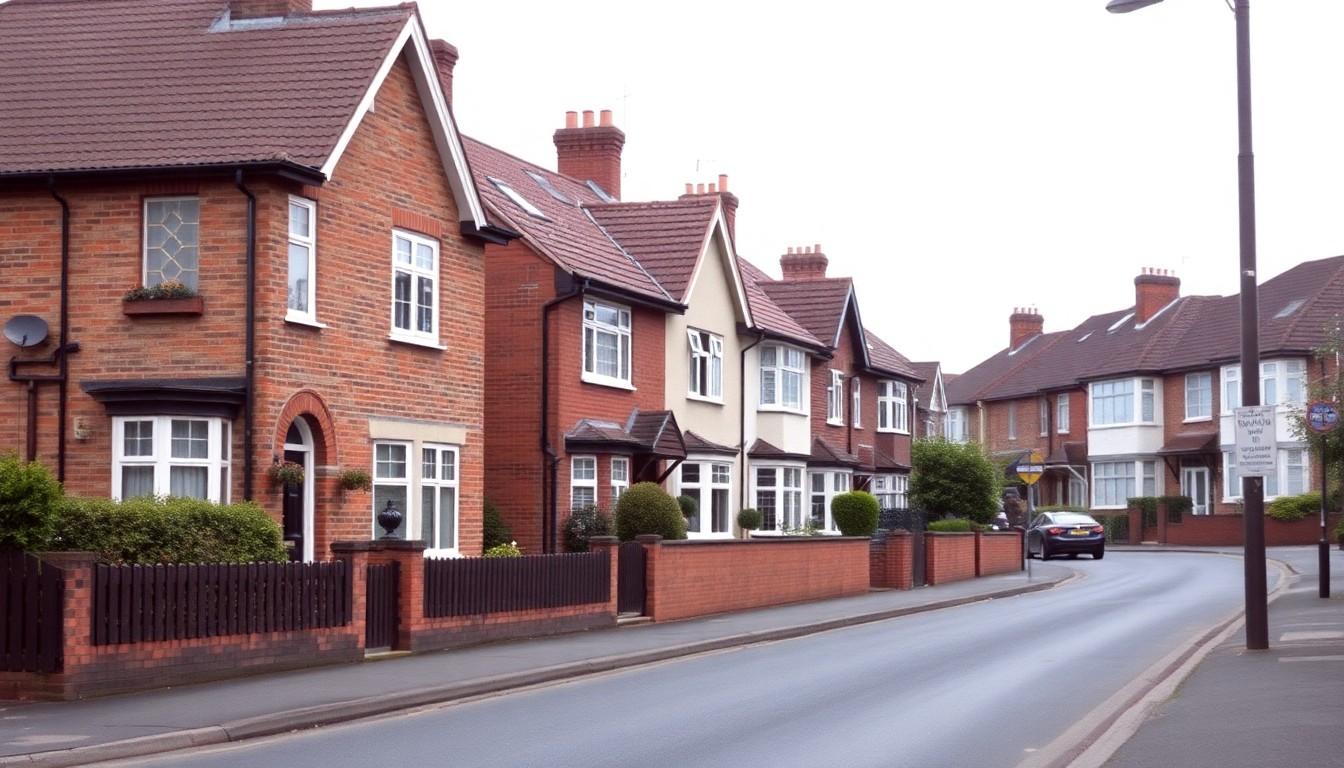
Shoppers and readers are turning to John Grindrod’s Tales of the Suburbs for a fresh view of queer life beyond the city; the book collects archival research and intimate interviews to show how suburbia has been home, refuge and stage for LGBTQ+ lives , and why designers should pay attention.
Essential Takeaways
- Surprising archive finds: Grindrod uncovered rich material at the Bishopsgate Institute that reframes suburban queer communities as longstanding and organised.
- Human, tactile stories: The book mixes interviews and anecdotes , from wartime veterans to hairdressers , giving a textured, emotional feel.
- Design matters: Suburban planning historically favoured nuclear households, shaping visibility and privacy for queer residents.
- Nuanced conclusion: Suburbia can be sanctuary and surveillance at once; that contradiction is central to the book’s insight.
A new angle on a familiar trope
Grindrod opens by upending the clichéd narrative of escape from suburb to city, and you can almost feel the living rooms and back gardens he writes about. Where popular culture has long cast suburbia as dull and repressive, his reporting reveals communities that quietly built social lives and support networks. According to reviews in national outlets, readers are responding to this more textured, less binary history of queer Britain.
The emotional texture matters: there are moments of tenderness and cruelty, resilience and loneliness, which make the book feel lived-in rather than academic. If you grew up in a semi with net curtains, some scenes will hit like a memory; if you didn’t, they open a window.
How archives and oral history change the story
Grindrod mined the Bishopsgate Institute and paired archival traces with contemporary interviews to map queer suburban existence across decades. He says that searching for town names unlocked unexpected networks, and the result reads like a mosaic: small documents, personal recollections and local colour stitched together.
This method matters because it challenges headline histories that focus only on urban gay scenes. By turning to local archives and voices, Grindrod shows how histories are distributed across place, not concentrated in city centres alone.
Suburbia as sanctuary , and surveillance
One of the book’s sharpest insights is the double-edged nature of suburban privacy. Low-rise terraces and front gardens offered anonymity for some , a quiet refuge after institutional hardships like military dismissals. At the same time, the “eyes on the street” of suburban life meant neighbours often saw everything, so conformity and gossip could be fierce.
Design and policy play a role here. As architects and historians have noted, 20th-century suburban planning aimed at nuclear families, which had knock-on effects for who felt at home. That design legacy is part of Grindrod’s argument: architecture shapes everyday social possibilities.
Moments that stick , small acts, big meaning
Grindrod peppers the book with small, cinematic scenes , a hairdresser offering solace, VHS tapes shared, a later reunion that feels almost serendipitous. These vignettes make the larger points human rather than theoretical.
Readers and reviewers have praised this storytelling balance: it’s both entertaining and an alternative history. Those scenes also underline a practical point for anyone working in community services, publishing, or local activism , small acts of kindness build the scaffolding of belonging.
Why this matters for designers and planners
If you design housing or neighbourhood policy, Grindrod’s book is a sharp reminder that “one-size-fits-all” planning excludes many everyday lives. The suburbs were shaped for a presumed household type, which left other domestic arrangements awkwardly accommodated or invisible.
Practical takeaway: introduce housing diversity, think beyond the nuclear household in briefs, and recognise how public and private interfaces (front gardens, porches, windows) affect privacy and visibility. It’s a small design shift but one that can change how people live behind those net curtains.
It's a small change that can make every suburb feel more like home.
Source Reference Map
Story idea inspired by: [1]
Sources by paragraph: