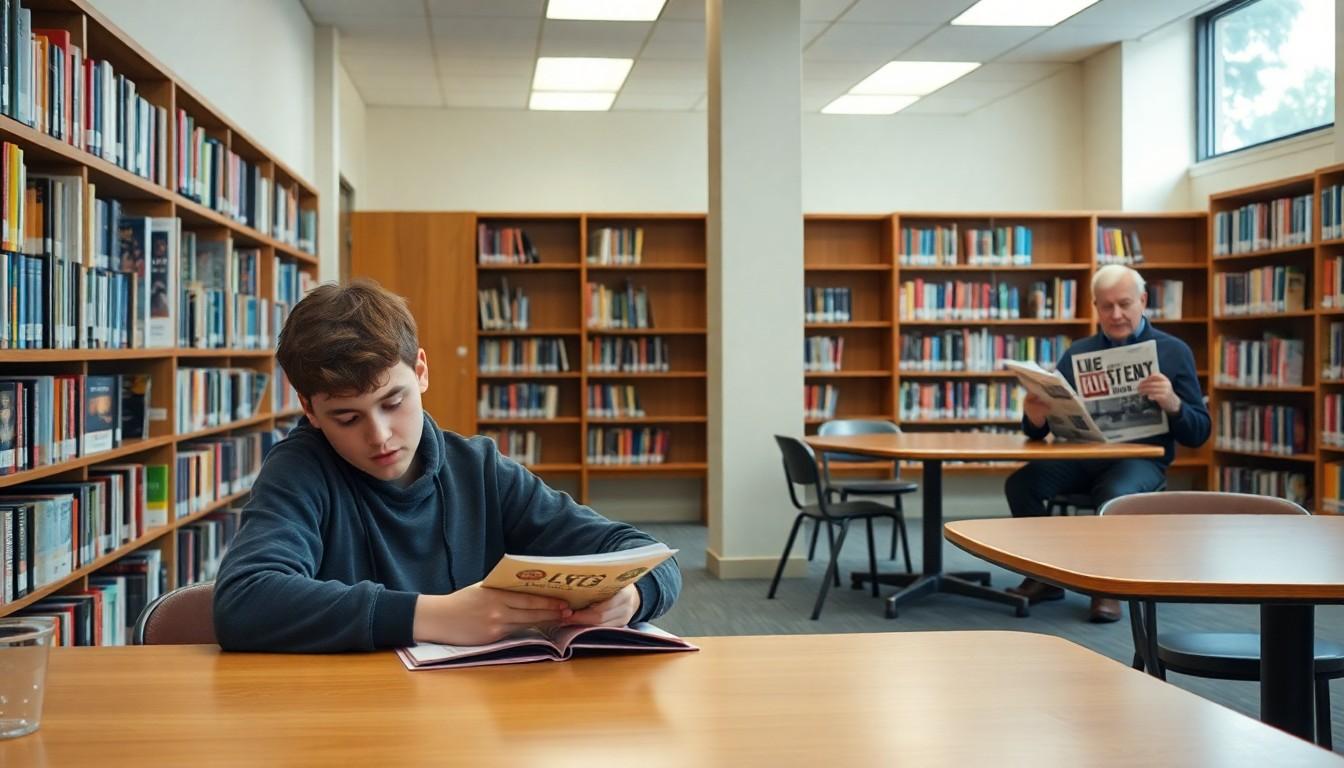
Shoppers of civic life are noticing a change: Los Angeles County supervisors have voted to plan a network of LGBTQ+ "third spaces" , from libraries to parks and senior centres , aimed at reducing isolation for youth and older adults and rebuilding places where people feel safe and seen.
Essential Takeaways
- Official push: Los Angeles County supervisors unanimously approved a motion to plan and map LGBTQ+ third spaces across county-run venues and community sites.
- Priority groups: The initiative focuses on young people aged 12–26 and older adults 60+, who face higher risks of isolation and mental-health harms.
- No money yet: The motion doesn't appropriate funds; it directs departments to identify funding and return with a plan in 90 days.
- Practical sites: Libraries, parks, senior centres and community-based groups are on the short list , places people already know and trust.
- Community backing: Local LGBTQ+ organisations and youth and trans advocates told supervisors these spaces can be lifesaving and affirming.
Why supervisors moved now , a civic fix for shrinking safe spaces
Los Angeles County moved quickly this week after supervisors Hilda Solis and Janice Hahn introduced the motion, and the board voted unanimously. The change feels both practical and urgent; there's a quiet, tactile sense that familiar refuges have thinned over the last two decades and during the pandemic. According to county officials, the plan aims to counter rising social isolation among LGBTQ+ Angelenos , especially teens and older adults who are more likely to live alone or face hostility. Community leaders say the move responds to a real need for visible, affirming places.
What "third spaces" mean in practice , not just another meeting room
Think of third spaces as somewhere between home and work: warm, informal, and welcoming. The county intends to develop minimum standards for accessibility and affirmation so that a library event or a park pavilion clearly signals it’s LGBTQ+-inclusive. That could mean signage, trained staff, gender-inclusive facilities, and programming that centres identity and safety. It's a low-cost approach in principle because it leans on existing venues, but it needs consistent standards to avoid tokenism.
Who benefits most , youth and seniors at the centre
Officials singled out two groups: people 12–26 and those over 60. Young LGBTQ+ people are at elevated risk of suicide and harassment, while older LGBTQ+ adults often face isolation and health-care barriers. Advocates from youth groups and organisations like the L.A. LGBT Center told supervisors that dedicated, affirming spaces can be life-changing , safe spots to be seen and heard without fear. For senior centres, the emphasis will likely be on accessible programming, social hours, and peer support that reduce loneliness and connect older residents to services.
Funding and logistics , the practical hurdles ahead
The motion doesn't hand over cash; it orders county departments to identify funding sources and to inventory county-run spaces and community partners that could join the network. A report is due in 90 days. That timeline keeps momentum, but it also raises questions: will funds come from discretionary budgets, grants, or private partnerships? County officials will need to show how standards are enforced and how staff training and signage are funded , otherwise the network risks becoming a paper promise.
Community reaction , hopeful, cautious, insistent
Local organisers and service providers welcomed the plan, calling third spaces essential for safety and wellbeing. Youth organisers emphasised that spaces must be youth-led and culturally relevant, while trans advocates said peer support groups demonstrate how powerful an affirming setting can be. There's cautious optimism: people appreciate tangible steps, but many will be watching to see real investment and sustained commitment rather than short-term pilot projects.
How residents can spot a good third space , quick checklist
Look for clear signals: trained staff, visible nondiscrimination policies, gender-inclusive facilities, regular programming for different age groups, and partnerships with trusted community organisations. If you want to advocate locally, ask your library, park district or senior centre whether they’ve been included in the county inventory and push for staff training and dedicated programming.
It's a small but meaningful step toward rebuilding places that keep people connected.
Source Reference Map
Story idea inspired by: [1]
Sources by paragraph: