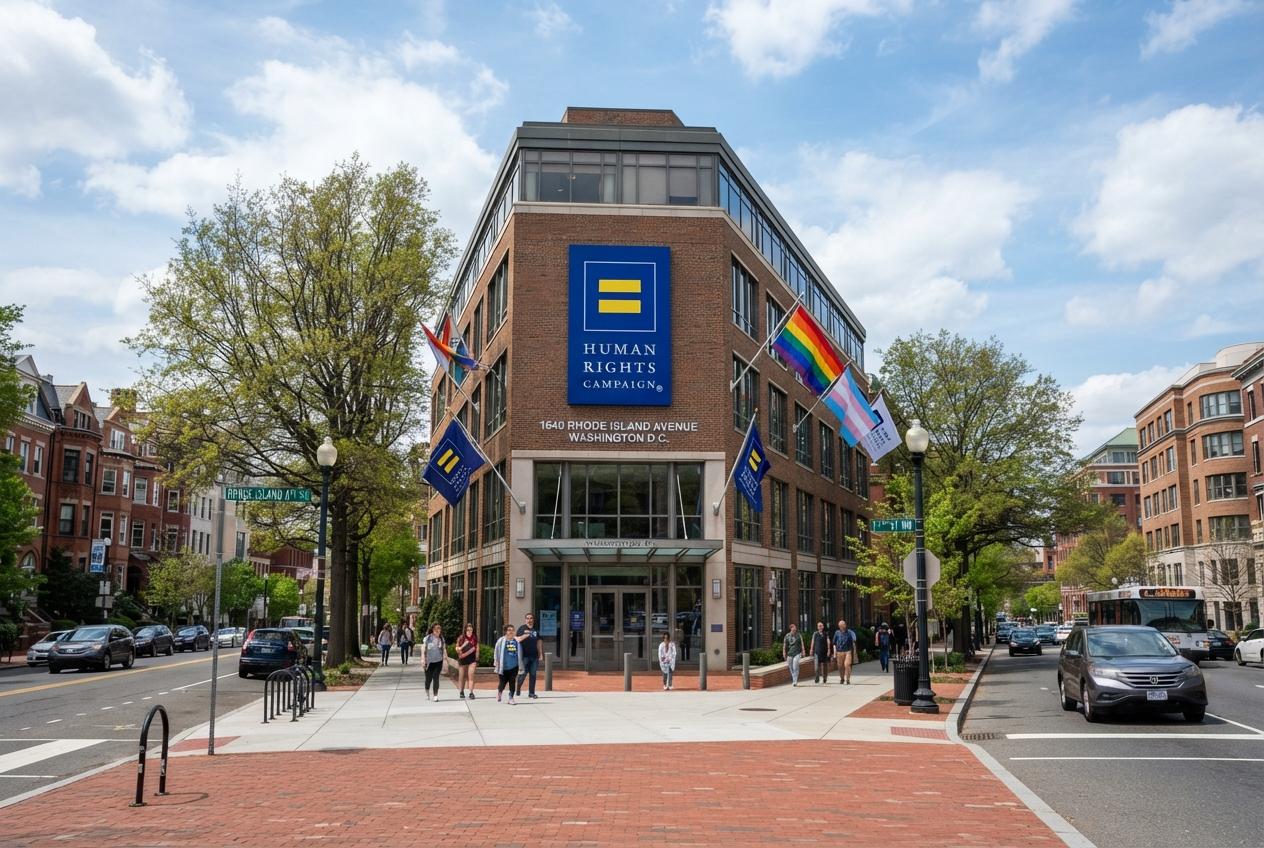
Shoppers for change are watching political staffing closely: the Human Rights Campaign has added senior leaders across policy, communications, and political strategy, aiming to sharpen its public affairs and volunteer work as midterms approach , a timely push to protect and advance LGBTQ+ rights nationwide.
Essential Takeaways
- New senior hires: HRC announced experienced leaders to strengthen strategy, policy, litigation, communications and political organising.
- High-profile backgrounds: Appointees include former White House and federal civil-rights officials with a track record on LGBTQ+ issues.
- Focus on midterms: Moves are explicitly timed to prepare for the 2026 midterm cycle and rising attacks on LGBTQ+ communities.
- Tactical mix: The hires blend storytelling, legal expertise and electoral strategy, balancing advocacy with on-the-ground organising.
- Practical impact: Expect sharper messaging, targeted policy pushes, and expanded volunteer mobilisation across states.
Why these hires matter now: a tactical response to increasing attacks
HRC’s recruitment drive reads like a reaction to pressure: as anti-LGBTQ+ measures proliferate, the organisation has bolstered its senior bench with people who know how to fight policy battles and shape public opinion. According to HRC’s announcement, the timing is deliberate, set to harden the group’s capacity ahead of the 2026 midterms. That sense of urgency is tangible , these hires aren’t just for show, they’re about legal strategy, electoral firepower and clearer storytelling.
Think of it as fortifying front-line teams: legal minds to defend rights, strategists to run political programmes, and communications experts who can make complex policy feel real to voters. For activists and donors, that’s reassuring; for opponents, it signals a more coordinated response.
Meet the players: experience that spans the White House and courtrooms
New appointments include leaders with backgrounds in federal government, high-stakes litigation and political communications. One notable hire will oversee enterprise-wide strategy and storytelling, drawing on experience in White House communications and major progressive campaigns. Another brings decades of civil-rights litigation experience from the Department of Justice and top non-profit legal teams, which matters when policy fights move into courts.
That mix matters because modern campaigning is multidisciplinary. Litigation can protect gains made at state legislatures, while standout messaging persuades undecided voters. For supporters, the takeaway is clear: HRC is doubling down on professional expertise to protect gains and push new ones.
What this means for policy, litigation and communications on the ground
Expect sharper, more targeted public affairs campaigns and litigation strategies that are built to scale. With senior hires dedicated to policy and legal work, HRC can pursue state and federal policy changes while also defending against hostile measures. Communications hires mean messaging will be synchronised across platforms , from grassroots volunteer networks to national media , so stories that humanise issues about trans youth, healthcare access, or workplace protections reach voters effectively.
If you volunteer or donate, you'll probably notice more cohesive campaigns and clearer asks. If you're an ally watching local politics, this could translate to more resources aimed at swing districts and targeted voter education ahead of the midterms.
How to judge if the strategy works: metrics that matter to supporters
HRC’s success will show up in several ways: legislation defended or blocked, favourable litigation outcomes, improved public opinion metrics, and tangible gains in voter mobilisation in key states. Internal strategy roles aimed at storytelling suggest the organisation will measure reach and engagement as much as legal wins. That’s useful: social sentiment often drives political room to act.
For everyday supporters, look for clearer calls to action, smarter volunteer training, and campaigns that tie national policy fights to local impacts. Those are the signs a strategy is being executed well.
What to watch next and why it affects you
Monitor HRC’s public updates, campaign rollouts and the first wave of slate endorsements ahead of 2026. The group’s new structure should accelerate rapid-response communications and legal interventions when state legislatures or courts move against LGBTQ+ rights. For communities directly affected, a bolstered HRC could mean quicker legal help and amplified advocacy.
And for the rest of us, it’s a reminder that organisational muscle , the right hires in the right roles , still shapes political outcomes in meaningful ways.
It's a small change that can make every campaign, court case and community defence a bit stronger.
Source Reference Map
Story idea inspired by: [1]
Sources by paragraph: