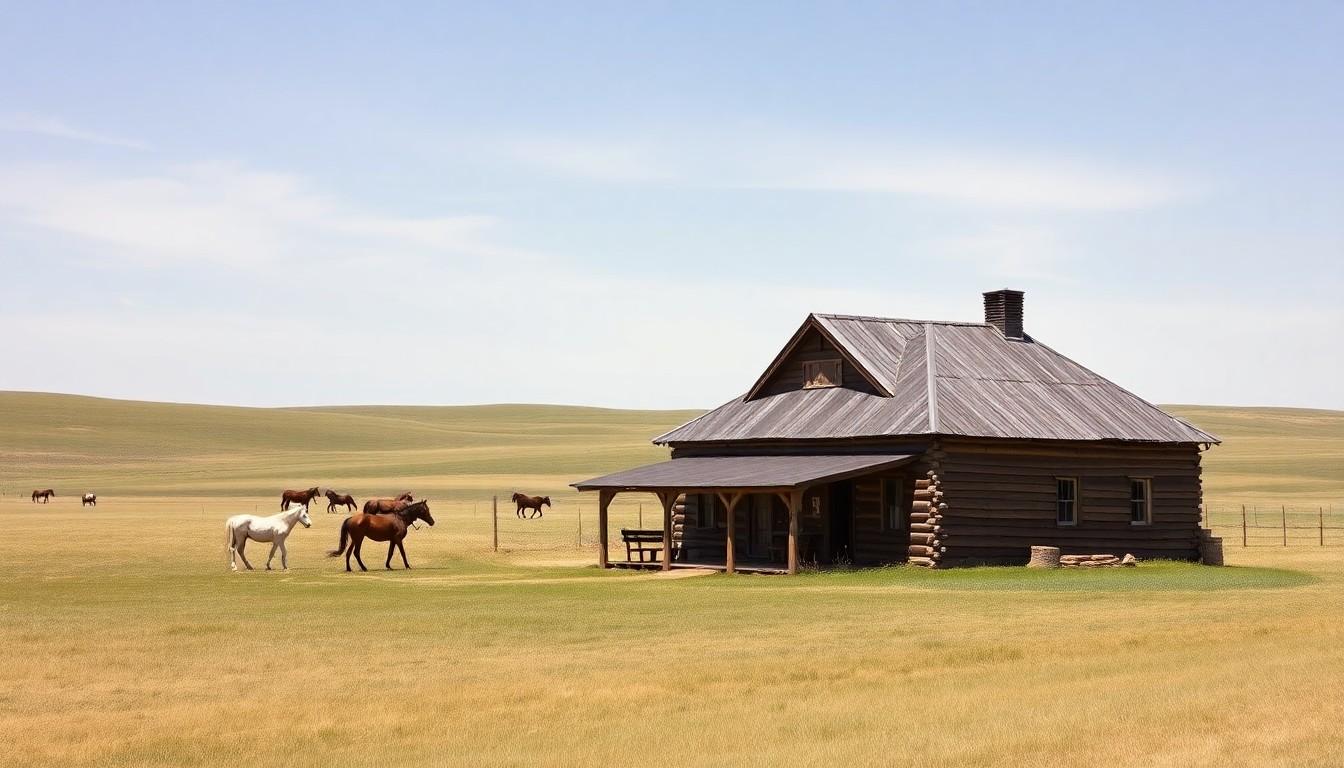
Celebrate International Nonbinary Day by revisiting a surprising bit of film history: Little Big Man, a 1970 Western that quietly gave mainstream audiences one of the earliest respectful on-screen portrayals of a nonbinary or Two‑Spirit character, and still feels fresh and human today.
Essential Takeaways
- Historic portrayal: Little Big Man features Little Horse, a Two‑Spirit character shown with respect and normalcy rather than mockery.
- Genre twist: The film is a revisionist Western that treats Indigenous people sympathetically and questions traditional Western myths.
- Tone balance: It mixes satire and pathos, so the queer representation appears within a broader, thoughtful narrative.
- Availability: The film streams on services like FuboTV, MGM+, Philo and is free with ads on YouTube; rentals on Amazon Prime Video and Apple TV.
- Why it still matters: Seeing nonbinary identities portrayed as part of community life in a mainstream 1970 film is rare and still resonates.
A quietly radical casting choice , and a soft but clear human portrait
Little Big Man surprises you with a warm, humane depiction of Little Horse, a character described in the film using a Cheyenne term often translated as “woman‑hearted man.” Roger Ebert noted the movie’s tonal shifts and its willingness to mix satire with sincere feeling, and Little Horse is treated as part of the community rather than a sensational aside. That subtlety is what feels radical: the film presents difference as ordinary, with moments of tenderness that still land.
How the movie reframed the Western , and why that helped representation
Arthur Penn’s Little Big Man is a revisionist Western that deliberately undermines genre clichés, showing Indigenous people as full characters and exposing the violence and prejudice of the era. That broader critique creates space for Little Horse to exist without being reduced to a punchline. The film’s approach made it easier for audiences to accept a nonbinary character as an integrated, respected presence within the story.
Two‑Spirit identity on screen before the word became common
In Native cultures, Two‑Spirit people often held respected roles; the film gestures to that tradition by not exoticising Little Horse. Today we’d likely use the terms nonbinary or Two‑Spirit to explain the character, but at the time the portrayal quietly conveyed a different social truth: gender variance was part of community life. For viewers seeking historical representation, this is a notable early instance of nuance rather than caricature.
Not perfect , but notably thoughtful for 1970
The film does use Little Horse for occasional comic beats, and modern viewers may bristle at moments that play for laughs. Yet those jokes aren’t cruel, and the character remains dignified throughout. Critics and film historians have long pointed out Little Big Man’s strengths and flaws, and context matters: in an era when queer people were rarely shown empathetically, this depiction stands out as one of the more sensitive on record.
How to watch and what to look for today
If you want to see the film, Little Big Man is available across several streaming platforms and as a rental purchase. Watch for how the camera lingers on ordinary gestures, the way Little Horse moves through communal life, and how other characters respond without spectacle. It’s a good film‑study exercise in spotting early, nuanced queer representation in mainstream cinema.
It's a small but powerful moment in film history worth revisiting this International Nonbinary Day.
Source Reference Map
Story idea inspired by: [1]
Sources by paragraph: