Shoppers of hope are turning up everywhere: Bi+ people, allies and organisations are naming community, younger generations, and better representation as the reasons they feel optimistic about the future. Voices from across the Bi+ community, shared during Pride, show why visibility and solidarity matter, and how small actions add up.
Essential Takeaways
- Community strength: Bi+ people repeatedly cite friends and queer spaces as a steady source of comfort and resilience.
- Younger generations: Gen Z’s openness about fluid sexuality is seen as a game-changer for acceptance and visibility.
- Growing acceptance: Respondents point to rising public awareness and pushback against misinformation as hopeful signs.
- Representation matters: Positive portrayals in TV and media help normalise Bi+ identities and give people language to understand themselves.
- Grassroots support: Local organisations, schools and safe spaces are credited with turning hope into real-world support.
Community gives hope , it’s the quiet, steady fuel
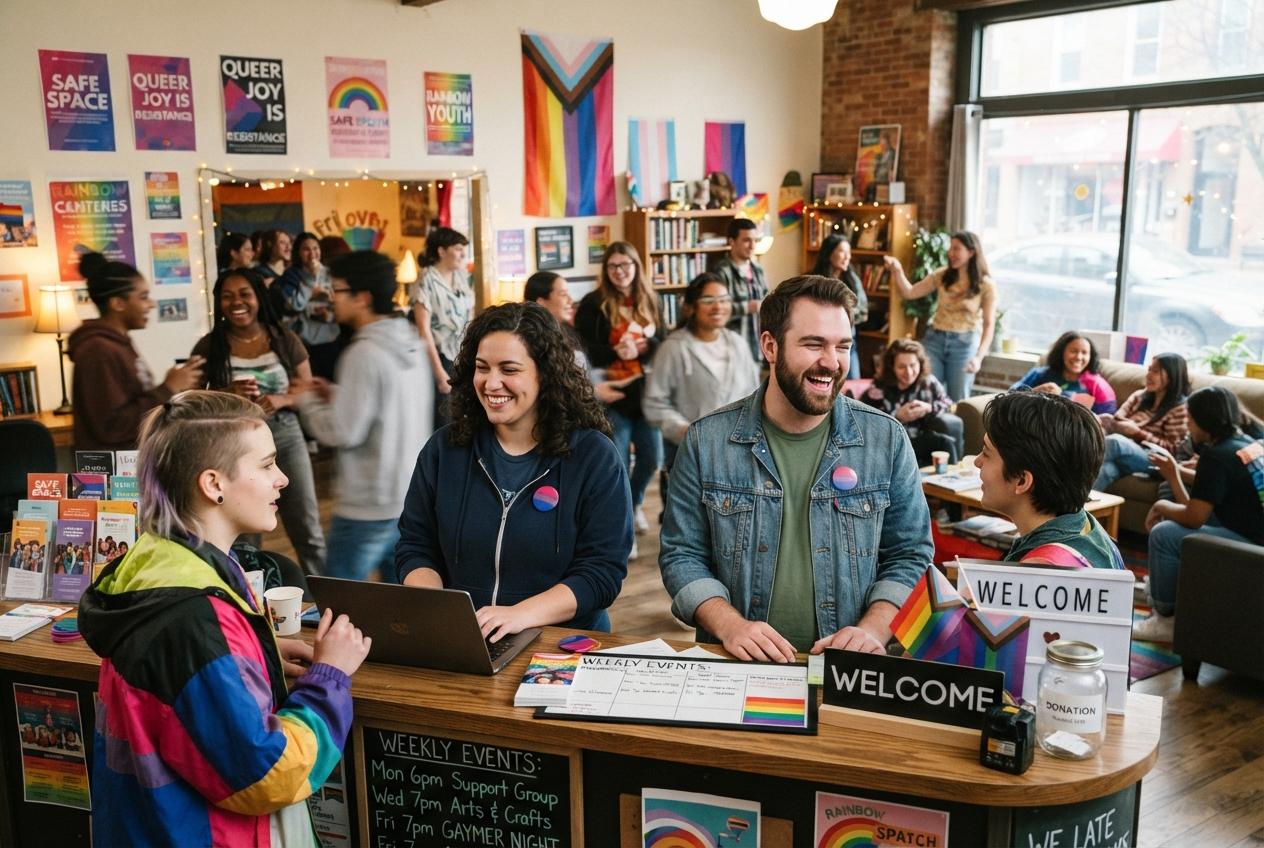
The strongest thread running through responses was community, and you can almost feel the warmth when people describe it: friends who get you, online groups that steady you on rough days. Many emphasised how being around other queer people makes them feel like themselves, not just tolerated but celebrated. According to advocacy groups like GLAAD and PFLAG, these networks are crucial for visibility and wellbeing, and respondents echo that in personal terms. If you’re looking for ways to plug in, start local: community centres, queer meet-ups or themed Pride events are low-pressure ways to build a support circle.
Young people are changing the conversation
A lot of respondents pointed to Gen Z as a source of optimism , they're more likely to name fluid or non-binary identities and to be open about them. That shift isn’t magic; it’s the result of years of legal victories, role models in media and education that provide safer contexts to explore identity. Organisations such as HRC and Bi UK note that visibility campaigns and Bi Visibility Day events help create that safer backdrop. If you work with young people, simple curiosity and non-judgemental support can make a big difference to someone who’s just finding their words.
Acceptance is growing, but it’s complicated
Many answers acknowledged progress: more people recognise Bi+ identities, fewer people automatically dismiss them, and there’s a sense that anti-LGBTQ propaganda is being called out more quickly. Still, respondents also implied the work isn’t done, social acceptance can be uneven and fragile. Groups like Bisexual Resource Center and national advocacy organisations continue campaigning so that acceptance becomes more than a trend. Practical tip: when you hear myths about Bi+ people, correcting them gently and publicly helps chip away at stigma.
Representation on screens really moves the needle
When people mentioned specific shows that portray Bi+ characters positively, you could tell it mattered. Seeing bi+ men and women, and stories that treat fluidity with nuance, gives people language for their experiences and reassures families and friends. Media-focused efforts around Bi Visibility Day and related coverage help amplify those portrayals. If you want to support better representation, pay attention to and promote shows, books and podcasts that treat Bi+ experiences with care, visibility plus nuance is the sweet spot.
Organisations and safe spaces turn hope into action
Respondents gave shout-outs to grassroots groups, youth services and formal organisations that provide weekly meet-ups, counselling and advocacy. These places don’t just cheerlead; they offer practical support and keep people safe while they explore identity. PFLAG, Bi.org and other organisations run Bi Visibility Day events and resources that help people connect. If you’re organising locally, consider hosting a drop-in, a reading group or a small support circle, those simple formats reliably create community.
It's a small change that can make every day feel more possible.
Source Reference Map
Story idea inspired by: [1]
Sources by paragraph: