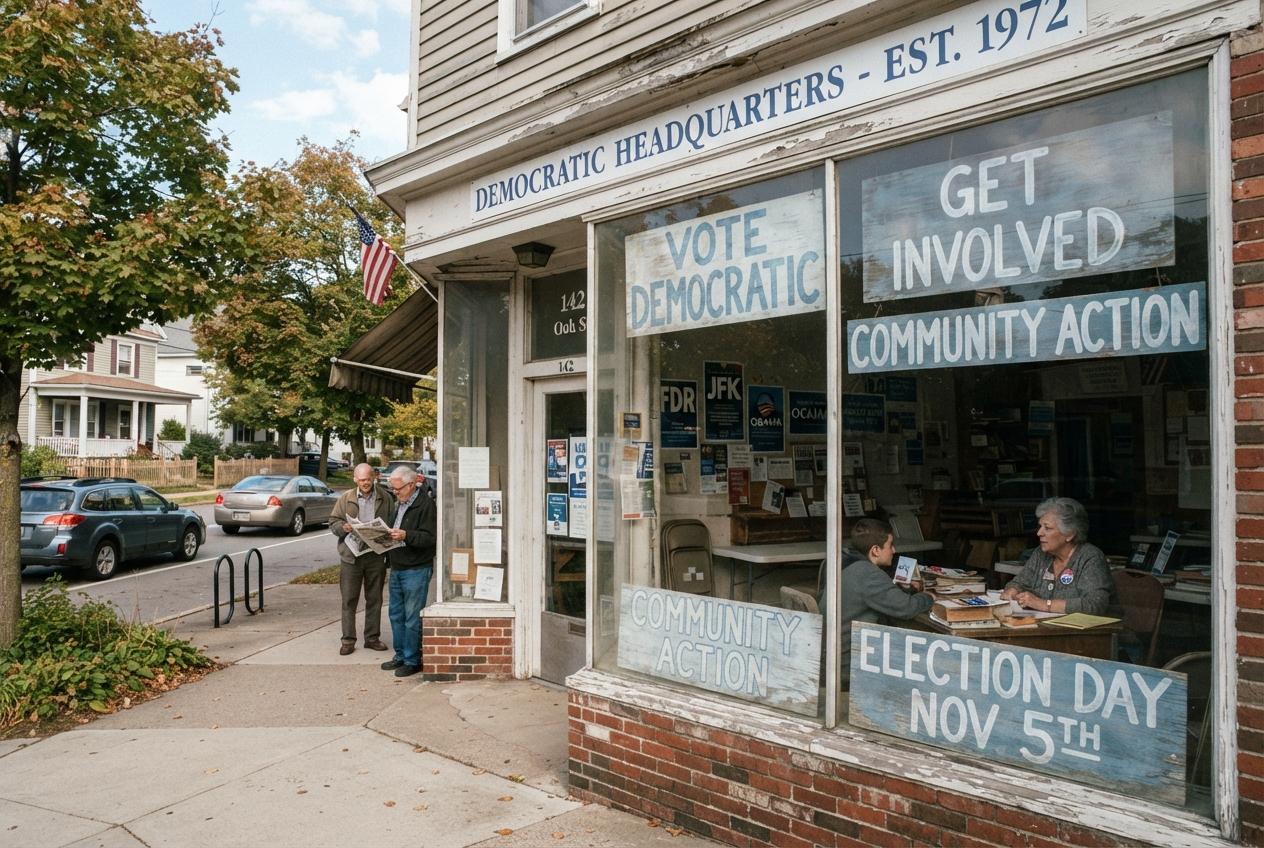
Watch how procedural nitpicks are reshaping Democratic primaries: candidates, campaign teams and voters are confronting residency and name‑change rules that opponents are using to try to remove trans hopefuls from ballots, and the battles matter because they cost money, time and safety.
Essential Takeaways
- Legal tactics being used: Opponents have filed residency and former‑name challenges to disqualify trans candidates, often citing obscure state statutes.
- Real costs: Defending against challenges can drain roughly 30–40% of small campaign war chests and force candidates to divert funds to legal fees and security.
- Uneven enforcement: Similar rules are enforced inconsistently, with some trans candidates removed while others with comparable technical issues stay on ballots.
- Broader impact: These fights amplify harassment and deter people with less money or security , especially unhoused or working‑class trans people , from running.
- What advocates want: Calls for looser documentation rules, more legal defence funds and public condemnation of selective targeting.
Why residency and deadname rules have become a political hammer
The most striking examples are procedural, not ideological: challengers comb election forms for inconsistent addresses or a recent name change and then file complaints. The result is often a legal slog that feels personal to the targeted candidate. According to reporting, several trans candidates who moved, used a parent's address while unhoused, or had recently changed names faced challenges that halted campaigns or forced expensive defences. It’s a dry technicality that packs a punch , campaigns lose momentum and voters lose choice.
How the challenges play out on the ground , and why they matter
These cases aren’t just paperwork disputes. Candidates report weeks of court dates, mounting legal bills and a spike in online and in‑person threats. Some, like a young Massachusetts candidate, paused her campaign after a residency ruling consumed a large share of her funds. Others say the publicity around a challenge can actually boost support, but that’s risky and rare. The broader effect is chilling: people who already face housing instability or low incomes are less likely to stay in a campaign when every misfiled form becomes a liability.
Selective enforcement and the appearance of bias
Observers point out the oddness of selective application: rules that have existed for years suddenly matter when the challenger’s target is trans. Election officials have historically been reluctant to remove candidates, yet several trans hopefuls have been disqualified while similar situations for cisgender candidates were handled differently. Legal experts say that uneven enforcement invites court scrutiny and raises questions about motive. For voters, that inconsistency erodes confidence that rules are applied fairly.
The political calculus inside Democratic primaries
It’s striking that many of these challenges come from within the same party. Critics argue this undercuts Democrats’ stated commitment to inclusion and hands ammunition to opponents outside the party. Campaign insiders say a primary fight is ruthless, and scrappy campaigns will exploit any vulnerability. Opponents who frame their objections as protecting electoral integrity maintain the process is lawful, but many advocates call the pattern a targeted strategy that disproportionately burdens trans candidates.
Practical steps candidates and supporters can take
There are a few immediate, practical moves campaigns can make: double‑check residency and identity paperwork early, budget for potential legal challenges, and set aside funds for security if harassment is likely. Advocacy groups are pushing for policy fixes , like accepting common‑law names and clearer guidance for officials , and for pooled legal defence funds to help smaller campaigns. Public pressure also matters: rapid, visible support can blunt the impact of a challenge and mobilise donors and volunteers.
It's a small change in rules or in party behaviour that could make running for office less punitive , and more representative.
Source Reference Map
Story idea inspired by: [1]
Sources by paragraph: