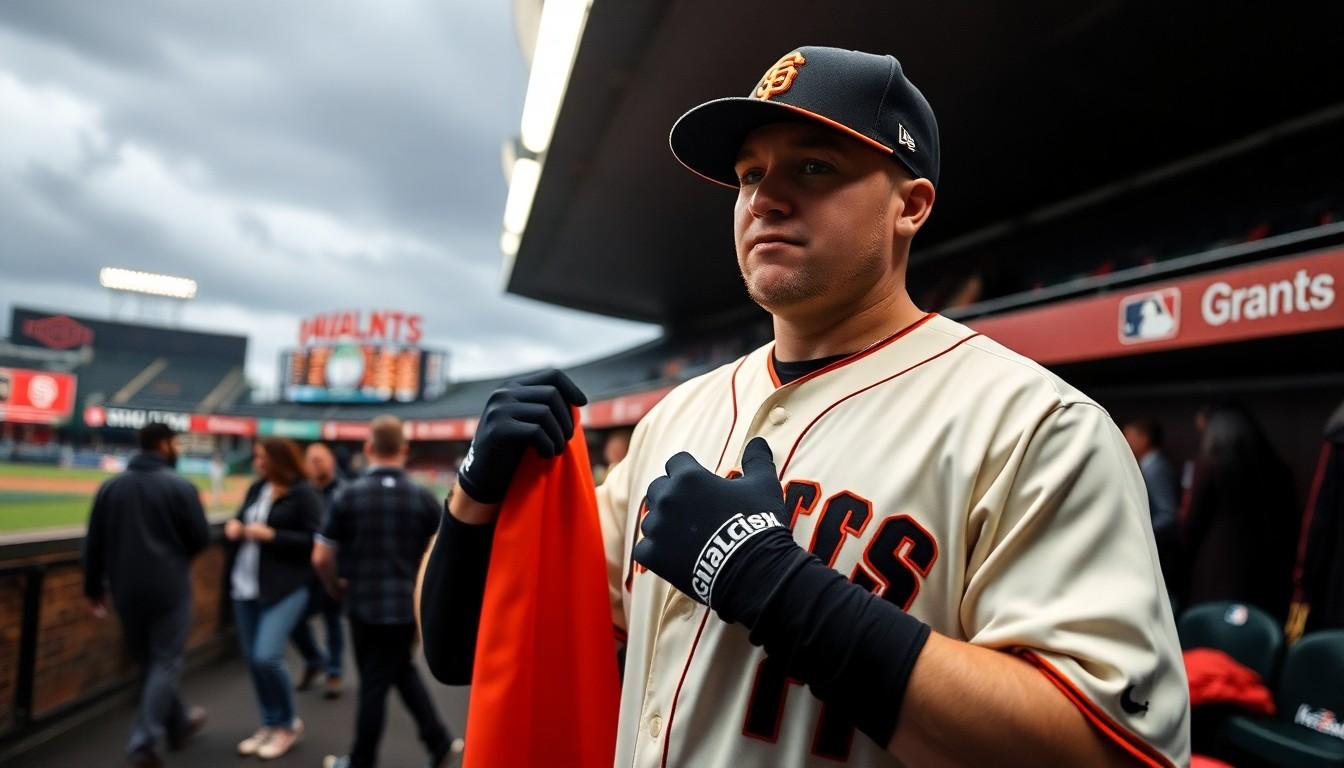
Shoppers of conscience and lifelong fans are asking the San Francisco Giants to do more than apologise; they want tangible steps that show the club truly values the city’s LGBTQ+ community after players altered Pride Night caps with Bible verses , and that matters because Pride in San Francisco isn’t just symbolic, it’s personal.
Essential Takeaways
- What happened: Three Giants pitchers wrote Bible verses on caps meant for Pride Night, creating an incident that coincided with the 10th anniversary of the Pulse nightclub shooting.
- Community impact: Local leaders and LGBTQ+ fans described the act as hurtful, dismissive and at odds with San Francisco’s cultural values.
- Requested remedy: A formal apology, meetings with LGBTQ+ community leaders, and concrete support commitments were demanded by affected fans and merchants.
- Tone and trust: Many say words won’t be enough , actions, donations, programming and accountability are needed to rebuild trust.
- Practical ask: Fans recommend clear policies for future Pride activations, education for players and staff, and transparent follow-through.
A visceral wound for a city that treats Pride like family
The strongest reaction has been emotional , a sharp, personal sting for fans who’ve treated the Giants as a civic institution. According to local coverage, the caps bore Bible verses on a night meant to honour LGBTQ+ people, and the fact it fell on the Pulse anniversary amplified the hurt. Owners, fans and community leaders expected the organisation to step in; instead many felt left to explain the damage themselves. For long-term supporters, the question is simple: can a beloved institution make this right?
How this unfolded and why it matters beyond a single game
Reports show three pitchers altered caps intended for Pride Night, and MLB and media outlets covered the story widely. That public spotlight matters because baseball is woven into San Francisco’s social fabric; Pride Night isn’t a stunt, it’s a ritual of recognition. When players subvert that ritual, the signal felt by fans is that inclusion can be overridden. That’s why voices like the Castro Merchants Association’s president are calling for a formal apology and a plan to restore trust , not vague statements.
What leaders and fans are asking the Giants to do now
Community demands are practical and specific: apologise, meet with LGBTQ+ leaders, and pledge tangible support , whether financial contributions to local charities, sustained partnerships with community groups, or new programming for youth and outreach. Fans aren’t just asking for penitent words; they want a roadmap. Industry coverage suggests organisations that move quickly to repair harm usually focus on transparency, accountability and measurable outcomes. That’s the template many supporters want to see applied here.
Why organisational leadership will be judged by follow-through
Leadership is tested not when things go smoothly but when values collide with behaviour. Multiple outlets noted the lack of immediate, decisive action from team leadership; that vacuum fuels distrust. Practical steps include publishing a timeline for meetings with community stakeholders, setting clear expectations for player conduct during civic recognitions, and funding local initiatives related to LGBTQ+ safety and history. Fans will watch not just the letter but the spirit behind any commitments.
How other teams, leagues and brands have handled similar missteps
Across sports, crises around cultural recognition often prompt policies, sensitivity training and partnership pledges. The wider media reported that Major League Baseball and commentators weighed in, creating pressure for consistent standards. Brands that moved from apology to durable programming , for instance, education efforts or multi-year sponsorship of community groups , tended to regain some goodwill. The lesson for the Giants is simple: make amends that last longer than a press cycle.
Closing line It’s a small set of actions , apology, listening, and clear, sustained support , but those steps could turn a painful moment into an opportunity to show the Giants really do belong to all of San Francisco.
Source Reference Map
Story idea inspired by: [1]
Sources by paragraph: