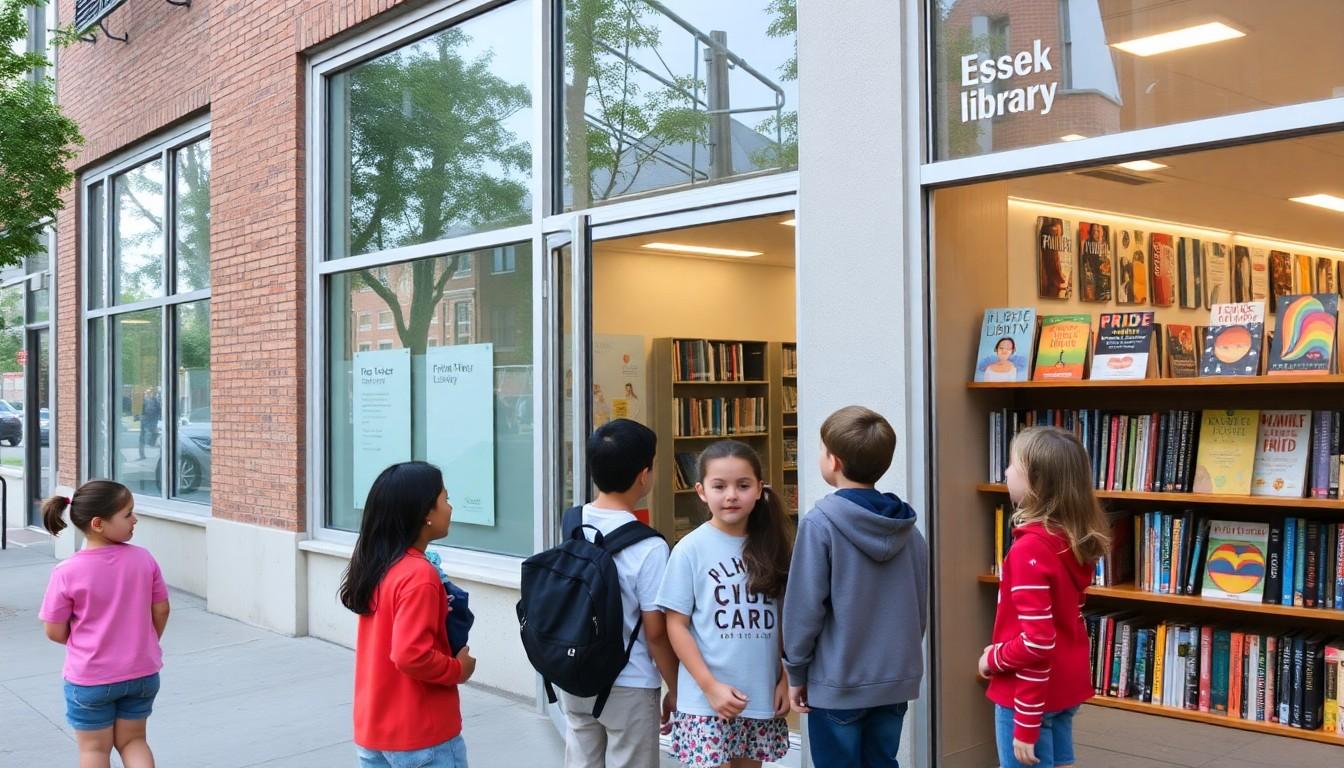
Shoppers are noticing a change: Essex County Council’s new administration has paused how some libraries promote themed displays, and residents are debating what belongs on public shelves and why it matters. This story affects library users, parents and LGBTQ+ communities across the county , and it speaks to how local councils shape culture.
Essential Takeaways
- Policy shift: Essex’s Reform UK-led council reviewed guidance on themed displays after Pride Month materials were flagged as “potentially upsetting.”
- Mixed practice: Several branches still arranged Pride displays despite earlier instructions to avoid promoting themed events.
- Safety and age: Council leaders say future guidance will stress age-appropriateness and clearer rules for staff.
- Community pushback: Opposition councillors, campaigners and organised protests say scaling back Pride content is chilling and exclusionary.
- Public reaction: The dispute has sparked petitions and a council debate, showing deep local engagement and few reported formal complaints while the prior administration ran libraries.
What happened in Essex , a quick, tangible snapshot
A new county administration prompted a review of how libraries mark themed months and events, and Pride materials have been at the centre of it. The council initially told staff not to promote non-day-to-day events, yet libraries in towns such as Chelmsford and Harlow still put up Pride displays. The visual tug-of-war , colourful shelves one week, clarified restrictions the next , made the issue feel immediate and slightly awkward for librarians trying to balance policy and community expectations.
Why leaders say they’re uneasy , “upsetting” for whom?
Council leaders argue that public displays should suit all residents and that some items could be “upsetting” for parents, so clearer, age-appropriate guidance is needed. That line frames the debate as one about family sensitivities and safeguarding, not simply politics. Critics note the vagueness of terms like “upsetting” and worry it gives licence to remove material that represents marginalised groups. Practically, councils can and do set rules about children’s content, but vague language leaves staff uncertain when arranging displays.
The pushback: local groups and councillors respond
Opposition figures and campaigners call the policy chilling, arguing Pride displays are about inclusion and belonging as much as celebration. Petitions signed by thousands and organised protests outside County Hall underscore how quickly a library decision can become a spotlight for wider political debate. For librarians and library patrons, the row is about whether civic spaces remain neutral hubs for diverse stories or become battlegrounds for culture wars.
How other places reacted , a wider trend
Similar moves elsewhere have drawn headlines, where councils scaled back themed promotions or imposed social-media pauses for events like Pride and Black History Month. That trend has prompted national scrutiny and commentary from media outlets and civil-society groups. If you follow local-government culture stories, this is part of a pattern: when national politics shifts, so too do local cultural policies, and libraries often find themselves on the front line.
Practical tips for library users and parents
If you’re worried or curious, check your local branch’s pages before visiting , social-media updates may show whether displays are changed or removed. Parents wanting reassurance can ask staff about age guidance for particular books or request recommendations for different age groups. Community members who want to support inclusive programming can sign petitions, attend council meetings, or back local Friends of the Library groups that campaign for open shelves and events.
It's a small, public-facing issue with outsized symbolic weight , and it’s likely to keep a noisy place on the local agenda.
Source Reference Map
Story idea inspired by: [1]
Sources by paragraph: