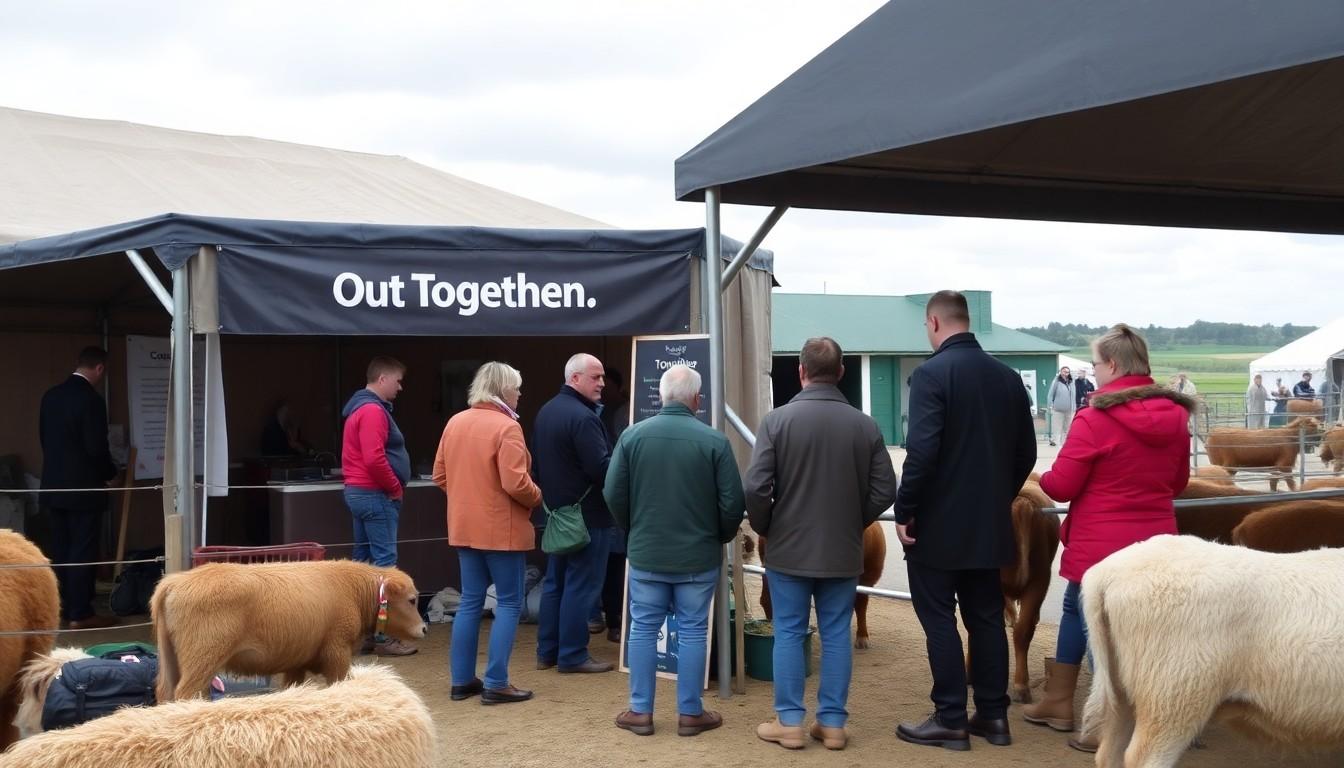
Shoppers may not expect it, but visitors to the Great Yorkshire Show will this week see something new: Out Together, the rural LGBTQ+ charity founded with a Yorkshire farmer’s legacy, is taking a stand to make farming communities more welcoming and visible. It matters because many rural people still face barriers to coming out.
Essential Takeaways
- Historic moment: Out Together will be the first LGBTQ+ organisation to host a stand at the Great Yorkshire Show, raising visibility in a traditionally rural event.
- Roots in a legacy: The charity was set up in 2020 using funds left by Mike Potter, a North Yorkshire farmer who only came out late in life.
- Practical support: Out Together offers peer groups and community links aimed at reducing isolation in rural areas; the group’s tone is warm and practical.
- Why it helps: Rural social norms and the close-knit nature of farming communities can make coming out harder, so local, familiar outreach matters.
- Look and feel: Visitors can expect a friendly presence, resources signposted to local services, and conversations that feel private and low-key.
Why this stand at the Great Yorkshire Show actually matters
This isn’t just a publicity stunt; it’s a small, quiet turning point with a soft, human edge. According to reporting, the Out Together stand marks the first time an LGBTQ+ group will formally present at the region’s biggest agricultural showcase, bringing a visible, approachable face to a place many farmers and rural residents already trust. That kind of presence can defuse anxiety , people see someone like them and realise they’re not alone.
The backstory is intimate. Out Together was founded with money left by Mike Potter, a farmer from North Yorkshire who only felt able to be open late in life. Friends say he found huge relief after coming out, and the charity exists to give others that same breathing space earlier on. It’s the sort of grassroots legacy that lands well in a community that values practical help and local stories.
Rural life and the barriers to coming out
Rural communities are close-knit in ways that comfort and constrain. People know one another; gossip travels faster; privacy is sometimes hard to find. Those features can make the decision to come out fraught. According to local support listings and charity networks, groups like Out Together aim to reduce that pressure by offering discreet peer support and trusted local contacts.
Practical insight: if you’re worried about being seen at a meeting, ask organisers about small-group options, online sessions, or one-to-one chats. The ability to choose how visible you are can make outreach genuinely accessible for farmers who need time to feel safe.
What Out Together offers , plain and useful
Out Together’s work is straightforward and familiar: peer groups, signposting to mental health services, and community outreach tailored to rural life. That’s the sort of support that can slot into a busy farming calendar , evenings or online catch-ups where people can speak frankly without a public spotlight. According to local directories and health partners, the approach is practical and warm rather than clinical, which suits many in the countryside.
If you’re deciding whether to get involved, look for groups that list meeting formats, confidentiality policies, and local contacts. Those details are the useful nuts-and-bolts that make support possible for someone working long hours in the fields.
How farming culture is changing, slowly but surely
There’s a real shift happening in rural Britain: agricultural shows, local charities and farmland support networks are increasingly open to mental-health and diversity conversations. The Royal Countryside Fund and other organisations have shown interest in farm support groups, and regional projects connect people who might otherwise feel isolated. That slow normalisation helps create neighbours who will listen, rather than judge.
Reaction matters: people who’ve come out later in life often say the relief is huge. Hearing that from someone you trust , a fellow farmer or neighbour , can be the nudge others need. So this kind of on-the-ground visibility is as much about changing everyday interactions as it is about headlines.
Practical next steps if you or someone you know could use support
Start small. Find a local contact, ask about low-key options, and check whether meetings are held virtually if you’re concerned about being recognised. Community hubs and established wellbeing services often partner with groups like Out Together, so you can get referred in ways that respect privacy.
And if you’re a neighbour or friend, a little curiosity and a bit of discretion go a long way. Saying “I’m here if you want to talk” without pressure can be more powerful than any formal programme.
It’s a small change that can make every coming-out story a little less lonely.
Source Reference Map
Story idea inspired by: [1]
Sources by paragraph: