Shoppers, punters and performers are watching as a newly opened LGBTQ+ arts venue in Sydney is ordered to stop “offensive trade” after religious groups protested; the dispute raises questions about freedom, safety and who gets to use historic spaces in the city.
Essential takeaways
- Immediate halt: The landlord told the organisers to stop operations within days, citing complaints that the venue “insulted and mocked” Christian belief.
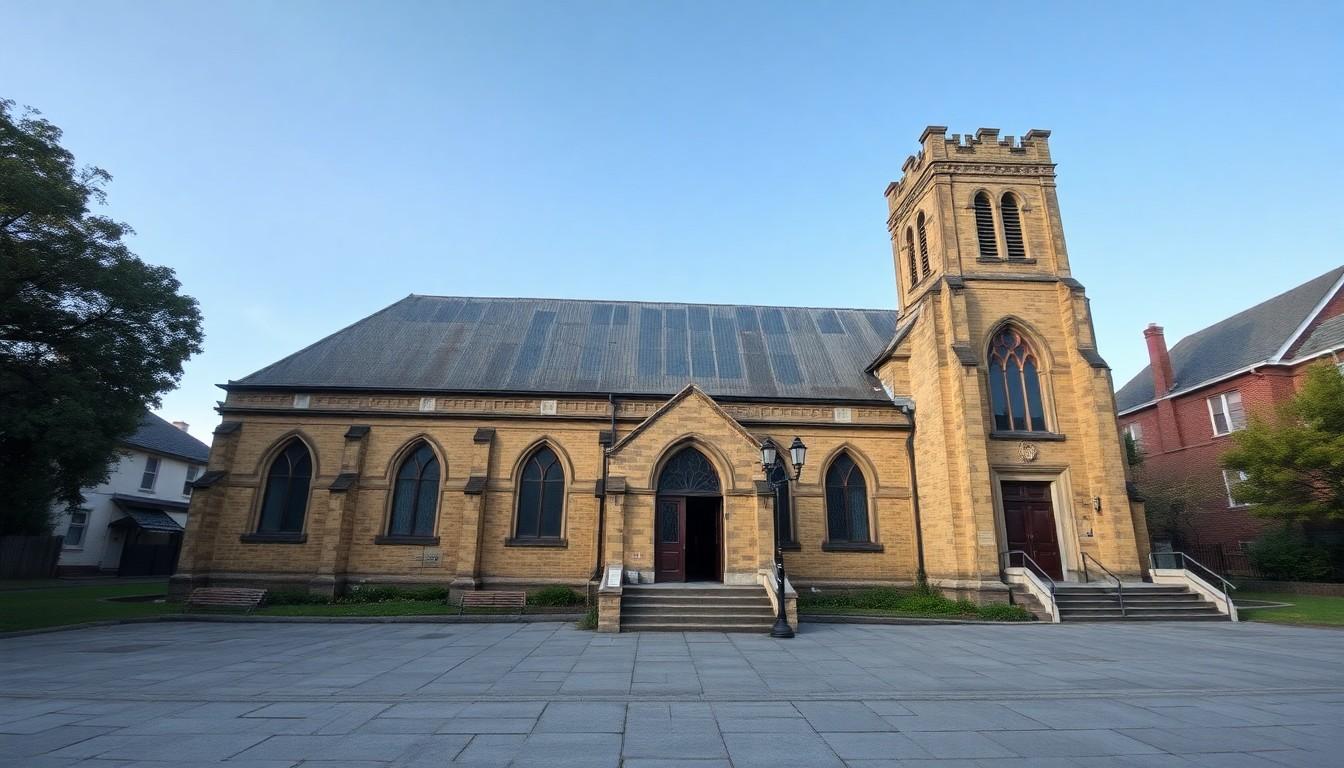
- Historic building: The 150-year-old former church in central Sydney was deconsecrated in the 1930s and later served as a school and theatre.
- Community clash: Christian groups staged rallies and objected to performances they described as blasphemous; organisers say the space was intended as an inclusive arts hub.
- Public debate: City figures and nightlife advocates have voiced concern about censorship and the precedent for cultural venues facing lease enforcement after protests.
- Practical fallout: Events were cancelled, social accounts were taken down amid complaints, and the future of the venue is uncertain while the landlord and police monitor protests.
Opening night sparks a culture clash , and a landlord’s ultimatum
The loudest fact here is the speed of escalation: what began as an opening night for a queer-focused arts venue ended with a legal notice and cancelled shows, leaving performers and punters stunned. Photographs from the launch , reportedly featuring irreverent sketches and provocative costumes , triggered a rally of roughly 70 people and an accusation that the venue mocked Christian faith. According to coverage in Guardian Australia, the landlord served a notice saying the trade had been “offensive” and demanded it stop within days. The immediate human cost was palpable: cancelled weekend events and a pulled-back online presence.
How did it come to this? The venue had rebranded at the last minute from Unholy Playhouse to Divine Playhouse amid concerns from some Christian community members, but the gesture didn’t defuse tensions. Owners and artists say the space aimed to be accessible and affordable for independent culture, while critics point to the choice of a former church and certain performance images as deliberately provocative. That collision between intent and symbolism helps explain why emotions escalated so fast.
What this signals for other venues is simple: when identity, religion and reuse of heritage sites mix, disputes can move from social media to lease enforcement overnight. If you’re an organiser, document permissions clearly and keep lines of communication with landlords open; if you’re a landlord, expect reputation and safety questions to become legal headaches.
A historic building, a modern argument about use and respect
This particular building carries layers of history , a 150-year-old church deconsecrated in the 1930s, later a school and theatre , so its cultural repurposing was always going to be read symbolically. Choosing a former church for queer performance work can be a deliberate artistic statement, and some community members saw that as provocative rather than celebratory. The protestors’ list of grievances , from performers dressed as nuns to sacrilegious tableaux , underlines that the dispute isn’t just about one night’s show but about what certain public spaces mean to different groups.
Urban planners and cultural managers will see a broader point here: reusing heritage assets for creative projects can enliven city centres, but it also requires sensitivity to community sentiment and robust risk assessment. For producers, a practical tip is to scaffold launches with clear community outreach and a communications plan in case images or clips spread and inflame protests.
Freedom of expression versus the right to protest , where’s the line?
Night-time economies and arts advocates have been vocal. Industry figures warned that allowing protests to trigger shutdowns could chill edgy artistic programming across the city. One hospitality and nightlife leader wrote that freedom can’t mean silencing disagreement, and that queer communities have fought for places to be “loud, irreverent, joyful”. At the same time, religious groups insist they’re exercising their right to protest and to defend sacred beliefs without being labelled censors.
This tug-of-war matters because courts, councils and landlords often have to balance competing rights: tenants’ creative freedom, neighbours’ peace and landlords’ obligations. If you run or attend a show that courts controversy, expect police presence at protests and a possibility that lease terms will be scrutinised. For venues, clear policies on safety, crowd control and neighbour relations are essential to withstand these pressures.
Practical fallout: cancellations, social media takedowns and an uncertain future
In practical terms, the row has already cost the organisers: weekend events were cancelled and the venue’s Instagram accounts were taken down after complaints. The landlord’s letter warned of grievance and disturbance to neighbouring properties and suggested future protests could endanger the public , a legal rationale for demanding an immediate cessation of activities. Meanwhile, police said officers would be present at planned religious gatherings outside the venue.
For punters and artists, the immediate advice is to stay informed: check official channels for refunds and rescheduled events, and be mindful that heated coverage on platforms can amplify conflict. If you love local independent arts, consider supporting alternative spaces and campaigns that protect venues from sudden closures.
Bigger picture: what this could mean for Sydney’s cultural life
This isn’t just one venue’s problem. City leaders and cultural agencies will watch closely because a precedent that lets organised protests force closures could ripple across Sydney’s live-music and queer-arts scenes. The dispute also raises questions about funding, since one grievance focused on a state arts grant the venue had received. Conversations about the redevelopment of inner-city heritage buildings and who gets to shape them are likely to intensify.
Looking forward, organisers might pivot to deeper engagement with neighbours and clearer content warnings for potentially confronting work; councils might revisit lease clauses for repurposed spaces; and audiences may find themselves choosing how loudly to support artistic freedom in public debates. It’s a fraught balancing act, but one that will shape nightlife and arts choices for years to come.
It's a small clash with big implications , keep an eye on how Sydney negotiates space, faith and free expression.
Source Reference Map
Story idea inspired by: [1]
Sources by paragraph: