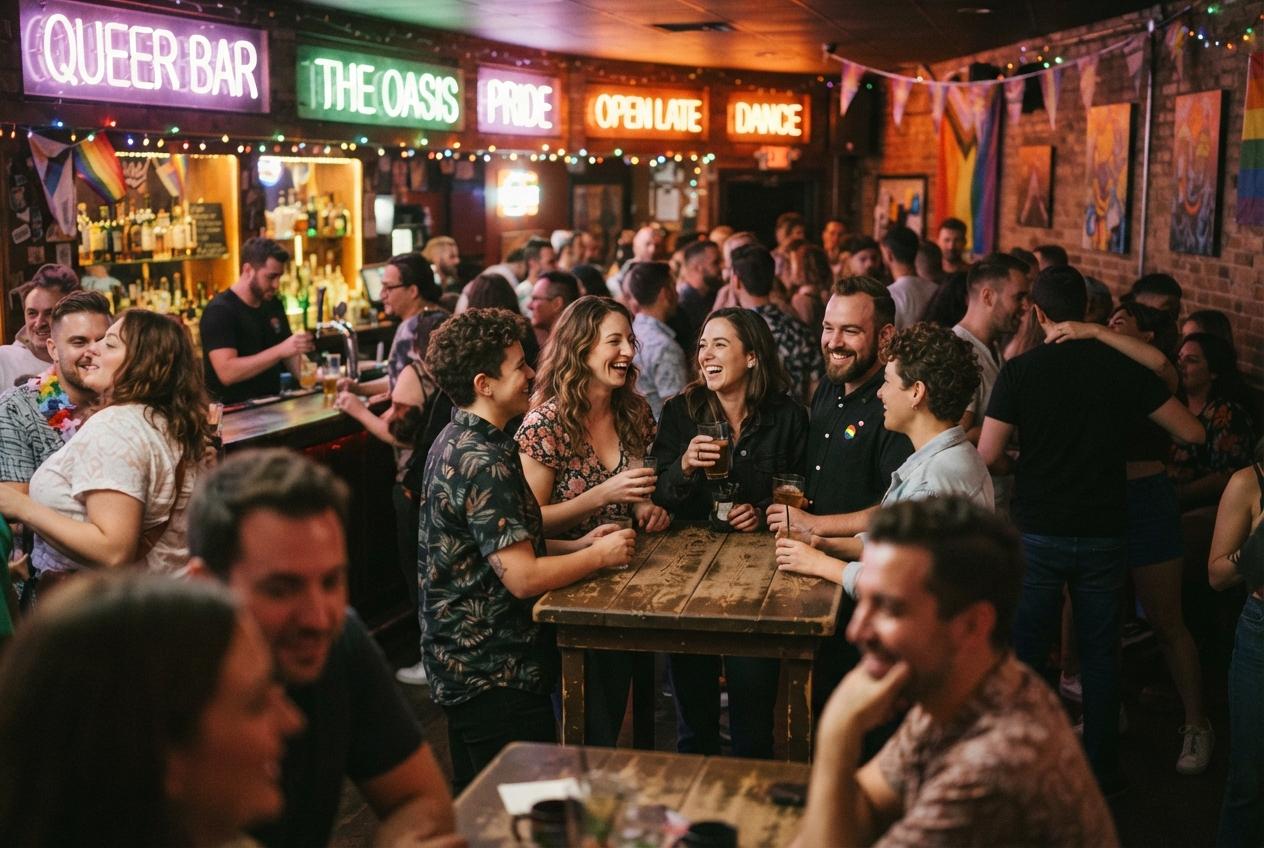
Shoppers of nightlife and lovers of dance floors are debating one of Pride’s recurring debates: whether straight girlfriends should come to gay bars. Voices from patrons, academics and bar owners explain why nuance matters, which behaviours are welcome, and how to keep queer spaces safe and joyful for everyone.
Essential Takeaways
- Context matters: Not all gay bars are the same , some cater to tourists and pop playlists, others remain intimate, queer-only refuges.
- Supportive pals help: Many LGBTQ+ people rely on cisgender female friends to feel safe when first exploring queer nightlife; that comfort is emotional and practical.
- Bad behaviour is the issue: Bachelorette parties or disrespectful groups, not simply the gender of patrons, cause the most harm.
- Respect rules: Tipping performers, not harassing others, and following house policies keeps spaces welcoming.
- Balance needed: With lesbian venues dwindling and gay bars closing, protecting queer spaces while staying inclusive is a delicate trade-off.
Why the argument flared up again , and why it’s mostly about behaviour
The latest skirmish started on social media when a user said they “hate” gay men bringing groups of straight women to clubs, sparking a wave of replies defending those girlfriends. The thread lit up because it taps into a longer cultural story: who gets to claim queer spaces and on what grounds. According to recent commentary in the queer press, many responses emphasised that it’s not women per se, but their conduct , loud, entitled bachelorettes versus allies who respect the scene , that shapes the experience. Practical tip: if you’re bringing friends, check the bar’s vibe first and set clear expectations about behaviour.
The emotional lifeline: why some LGBTQ+ people lean on their female friends
For lots of younger queer people, a first trip to a gay club with a trusted female friend is a rite of passage. Commenters on the thread recalled that going in alone felt intimidating, and that a gal pal provided the courage to cross the threshold. Academics who study gendered friendships have long noted the historical role of companionate alliances in queer life; they’re often the bridge to community. So if you remember that emotional history, you’ll see why some patrons welcome their supportive friends onto the dance floor.
Where the line is drawn: bachelorettes, tourists and the problem of entitlement
There’s broad agreement that the real troublemakers are not the average straight woman but groups that treat gay bars like an oddity to gawp at. Viral examples of guests complaining about being ignored or failing to tip performers fuel frustration. Bar owners and regulars tell the same story: show up respectfully, support the staff and don’t behave as if you’re at a zoo. Practical guidance: if you’re hosting a celebration, pick a venue that markets itself as tourist-friendly or call ahead about reservations and expected conduct.
Venue type matters , choose the right bar for your night
Not every gay bar is created equal. Some famous spots have become pop-culture attractions where a mixed crowd is expected, while other neighbourhood bars maintain a quieter, queer-only ambience , you can usually tell by the music, drag schedule and whether the place has a dark room. Industry commentary and nightlife reporting suggest learning the scene: ask locals, check social feeds, or phone the venue. If you care about keeping an authentic queer space, avoid bringing large straight groups to bars that signal they’re for locals and community-building.
What queer communities and allies can do going forward
At its best, this debate prompts constructive action: educate friends on etiquette, tip generously, and intervene if someone is being disrespectful. Some outlets and nightlife pages recommend clearer signage and policies from bar owners to manage groups, while others call for solidarity when spaces are under threat from closures or policing. The practical takeaway is simple , respect and reciprocity keep queer venues vibrant, and small gestures make a big difference on a busy Saturday night.
It’s a small change that helps every night feel safer and more fun for the people who built these bars.
Source Reference Map
Story idea inspired by: [1]
Sources by paragraph: