Spotlighting bold voices: Owners and lovers of live music are turning out for EXPANSIVE, a San Francisco concert series championing transgender and nonbinary classical singers , a vibrant tribute that links artistry to activism and marks the Compton Cafeteria Riot's 60th anniversary. Here's what to know, where to go, and why it matters.
Essential Takeaways
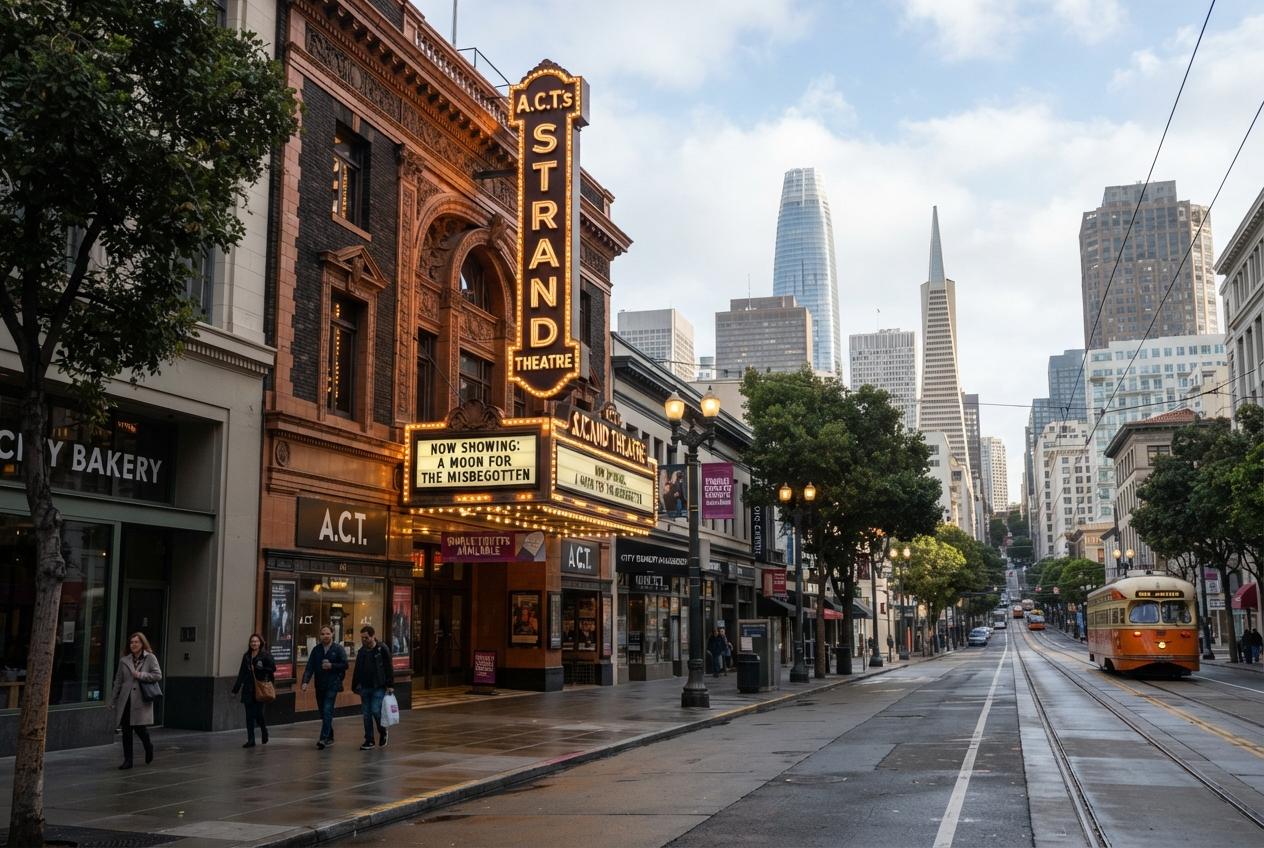
- When and where: EXPANSIVE takes place on 27 August at 7.30pm at A.C.T.’s Strand Theatre in San Francisco, offering an intimate, theatrical setting.
- Curated programme: Tenor Katherine Goforth curated a four-part narrative programme that mixes opera, art song, spirituals, musical theatre and popular song.
- Featured performers: Expect bass-baritone Sapphira Cristál, mezzo-soprano Nina Jones, pianist Keisuke Nakagoshi, and host Afrika America in a tightly paced evening.
- Emotional arc: The concert’s theme, “Revolution is Just the Beginning,” traces resistance and resilience with selections such as Barber’s “Solitary Hotel” and Flaherty & Ahrens’ “Make Them Hear You.”
- Atmosphere: The showcase promises a range of textures , from spare piano-accompanied songs to robust theatrical numbers , with an emphasis on storytelling and historical context.
A concert that feels like a conversation about history and identity
The hook here is the way music and memory are braided: EXPANSIVE stages singing and spoken word to honour the Compton Cafeteria Riot of 1966, a quieter but crucial touchstone in trans history. The evening opens with pieces that conjure displacement and urgency, so you’ll likely feel the room tighten toward the narrative.
This edition was shaped by Katherine Goforth at the invitation of Nicole Paiement, Opera Parallèle’s founder and artistic director. Goforth splits the show into four thematic movements , each one both musical and rhetorical , which gives the programme a clear through-line rather than a disconnected recital format. It’s a clever approach for engaging audiences who want context as well as beauty.
If you like concerts that double as mini-lectures, this is for you. Expect short spoken-word connective tissue between songs, and repertoire chosen to underline historical moments. It’s an intimate way to educate through emotion.
Why the Compton Cafeteria Riot matters onstage
Putting the 60th anniversary front and centre changes the evening from a simple showcase into a commemorative event. The riot is often overshadowed in pop history, so seeing artists explicitly connect songs to that moment makes the performance both a remembrance and a proposition: revolution didn’t end in 1966.
Producers and artists are framing the programme around four narrative beats , from “We Had Nowhere to Go” to “Still Fighting” , that trace the arc from vulnerability to continued activism. That framing gives familiar repertoire fresh meaning, and it invites audiences to listen for historical echoes in melody and lyric.
For listeners, it’s a reminder that classical music can be radical in content as well as form. If you want to introduce friends to activism-adjacent programming, this concert is a good, emotionally direct example.
What to expect musically , eclectic, dramatic, human
The set list spans Samuel Barber’s pared-back “Solitary Hotel,” Andre Previn’s theatrical “I Want Magic,” Schubert’s introspective “Der Wanderer,” and a rousing selection by Flaherty and Ahrens. That variety keeps the evening from settling into a single mood; one moment is reflective, the next is emphatic.
Performers include Sapphira Cristál, a lower-voiced artist bringing gravitas, and Nina Jones, whose mezzo range offers warmth and colour. Keisuke Nakagoshi accompanies with sensitivity, and the host Afrika America ties the night together. The balance between solo song and narrative makes the concert brisk and accessible.
If you’re choosing seats, consider proximity to the stage for those subtle vocal colours, or mid-house for the best acoustic blend. The Strand Theatre is compact, so even higher tiers feel close.
Practical tips: tickets, accessibility and what to bring
Tickets tend to move quicker for themed showcases, so book early. Look for audience information on accessibility and any community pricing; events tied to civic remembrance often include sliding scale or discounted options.
Arrive a little early to soak in the theatre and any pre-show materials. Bring a small notebook if you want to note composers and texts , you’ll hear cross-genre choices that are fun to follow up on later. Expect a mix of spoken-word context, so it’s suitable for listeners who want both storytelling and singing.
If you’re coming to support transgender and nonbinary artists specifically, consider donating to related organisations or buying merchandise when offered; these events often funnel support back into the community.
Why this kind of programming matters going forward
EXPANSIVE isn’t just a recital; it’s part of a broader movement to make classical music more representative and politically literate. By foregrounding trans and nonbinary voices and connecting performance to local history, Opera Parallèle and the Transgender District are demonstrating how repertory can be reimagined for relevance.
Expect more ensembles to adopt similar models , curated, narrative-led evenings that combine education with artistry , especially as audiences ask for programming that reflects lived experience. It’s good for music, and it’s better for civic memory.
It’s a small change that can make every performance more resonant and more human.
Source Reference Map
Story idea inspired by: [1]
Sources by paragraph: