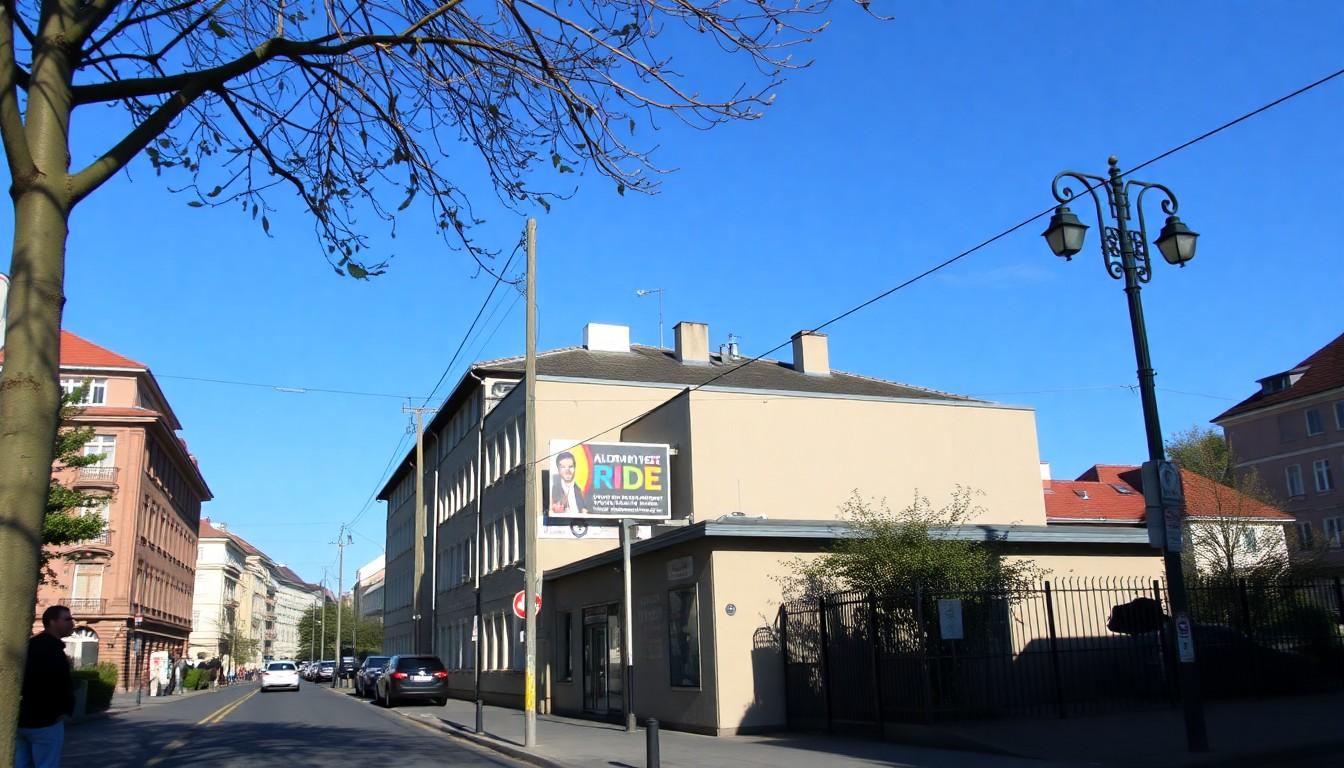
Watching Pride evolve across Europe this year is a vivid lesson in resilience and reinvention , tens of thousands turned out in Budapest, while cities from Amsterdam to Madrid juggle celebration, protest and a push for inclusivity. Here’s why alternative Prides are growing, what organisers are learning, and how to choose the events that feel safest and truest to you.
Essential Takeaways
- Mass turnout: Tens of thousands marched in Budapest’s 2026 Pride, signalling renewed public support after political change.
- Dual meanings: Pride now often splits into mainstream festivities and radical, issue-focused alternatives that feel rawer and more political.
- Funding squeeze: Corporate pullback is forcing communities to crowdfund and reclaim organising power; events feel less commercial as a result.
- Security focus: Rising anti-LGBTQ rhetoric has led to new safety measures , trained volunteers, better police coordination and ‘safer spaces’.
- Local flavour matters: From Madrid’s Critical Pride to Paris’s Pride des Banlieues, grassroots events spotlight housing, race and trans rights alongside queer joy.
Budapest’s big step: joy after a year of protest
Budapest’s streets were awash with colour and a buoyant, almost relieved atmosphere when tens of thousands gathered for Pride this June. The sound was part celebration, part exhale; people laughed, chanted and lingered in the sun. According to international reporting, this was the first major Pride since Viktor Orbán’s ouster, and many attendees described the shift from protest to celebration as stark. Observers say the turnout reflects both political change and pent-up energy, a reminder that Pride can be a barometer for wider civic moods. If you’re heading to a city freshly freed from restriction, expect both parties and public speeches.
Amsterdam’s tug-of-war: festival or frontline?
Amsterdam has long wrestled with what Pride should be , an unapologetic party or an urgent demonstration. In recent years the municipality even brought in Queer Amsterdam to rebalance the event towards anticolonial and anticapitalist messages, sparking sharp debate. Now World Pride returns the city to the spotlight, and organisers are trying to thread celebration with accountability. The lesson here is practical: check the programme. Look for alternative stages, talks and community-led marches if you want politics alongside the parade, and expect a mixed crowd where joy and critique coexist.
Alternative Prides: louder, narrower, and necessary
Across Europe alternative Prides have become standard rather than fringe. Madrid’s Critical Pride and Berlin’s Internationalist Queer Pride make space for demands on migrants’ rights, sex-worker protections and anti-racism, while Paris’s Pride des Banlieues centres working-class suburbs and single-issue campaigns. These events buzz with urgency , they feel rougher, more confrontational and often smell faintly of incense and sweat rather than corporate freebies. For many activists that mix of grassroots energy and targeted campaigning is exactly what mainstream Pride lacks. If you care about specific policy goals, seek out the radical route.
Money matters: corporate retreat and community comeback
A notable shift this year is businesses stepping back from Pride sponsorships, partly due to politicised backlash spreading from the United States. That’s pushed many organisers to find new funding models: small donations, local grants and volunteer-driven logistics. Organisers report a double-edged gain , less cash can mean fewer freebies, but it also reduces the feeling of corporate capture and puts community voices centre stage. If you’re supporting Pride financially, consider small recurring donations to local groups; your contribution now buys autonomy more than balloons.
Safety first: how events are adapting to a harsher climate
Rising anti-LGBTQ rhetoric across Europe has translated into anxiety and, in some places, violence. Pride organisers now swap tips on protecting attendees: volunteer training, clearer incident reporting, coordination with municipal services and designated safer spaces are all becoming routine. Some cities are offering self-defence workshops and staffed calm zones for anyone who needs a breather. Practical advice if you plan to attend: travel with friends, note exit routes, download event safety apps if provided and respect organisers’ guidance on bag checks and restricted items.
What to pick: celebration, protest or both?
There’s no single right Pride anymore , and that’s part of the point. If you want colour and community, mainstream parades and World Pride-style festivals deliver joy and spectacle. If you want to press for change, look for alternative Prides or the activist wings of big events. Many people choose both: a daytime march for demands and an evening gathering to dance. The best approach is to read event programmes, follow local LGBTQ+ groups on social media, and decide whether you’re there to cheer, to march, or to do both.
It's a small change that can make every Pride safer, louder and truer to the people it represents.
Source Reference Map
Story idea inspired by: [1]
Sources by paragraph: