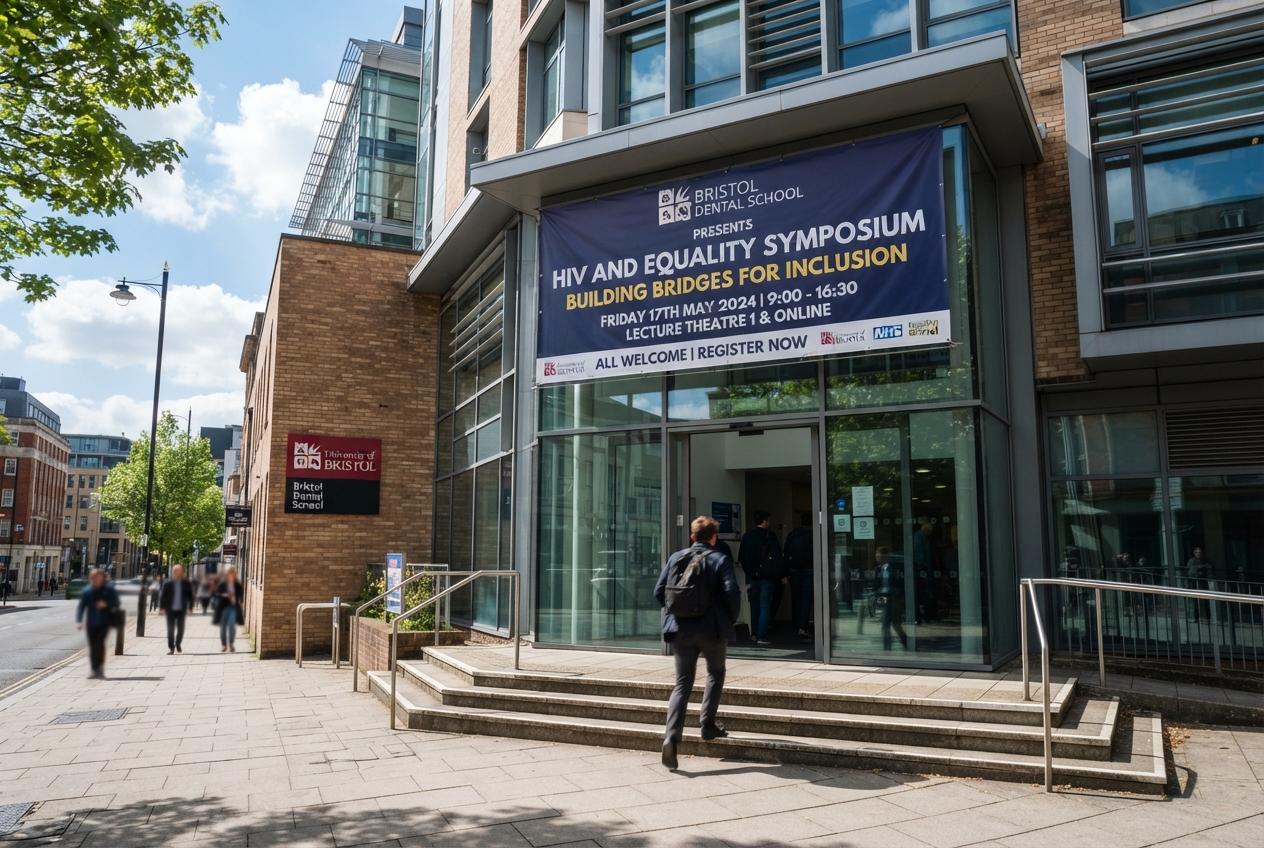
Shoppers of ideas, students and staff at Bristol Dental School are celebrating a graduate-led push for better care and wellbeing; Tila Lawton’s HIV and equality symposium is now an annual event and ‘lavender rooms’ provide quiet refuge , a tidy reminder that student-led change can shape professional life.
Essential Takeaways
- Student-led impact: Tila Lawton helped create an annual HIV and equality symposium at Bristol Dental School, bringing lived experience into dental training.
- Practical learning: The symposium helps students spot oral signs of HIV and learn how to manage specialised care with sensitivity.
- Wellbeing spaces: Every floor of the dental school now has a ‘lavender room’ with snacks, water and private space for debriefing after difficult clinical encounters.
- Community outreach: Tila’s work with charities such as Dentaid and Common Ambition Bristol shows outreach can expand dental training beyond the clinic.
- Next steps: Having graduated, Tila will move into foundation training, taking practical public-health experience into practice.
A student idea that became an annual must-see
It’s rare that a single student initiative gets folded into a school’s permanent programme, but that’s what happened here. The HIV and equality symposium began as a response to the need for more lived-experience teaching in dental training, and students say the sessions feel immediate and human , sometimes a little raw, in the best way. According to university reporting, the symposium invites a person living with HIV to describe their experience and how that translates into dental care, helping trainees recognise oral signs that might appear early.
The move makes sense: oral presentations can precede other symptoms, so spotting them is both clinical sleuthing and compassionate practice. For undergraduates who’ve mostly learned in classrooms, hearing from those with direct experience helps turn textbook knowledge into real-world judgement.
Why outreach changed how she practises dentistry
Tila’s route into community work came through volunteering. She supported Dentaid at community events handing out toothbrushes and offering hygiene advice, and later worked with Common Ambition Bristol on sexual-health outreach for African and Caribbean communities. Those early moments , meeting people outside a clinic, seeing gaps in access , shaped her public-health instincts.
That background is important for dental employers to note: graduates who’ve done outreach often bring better communication, cultural awareness and practical resourcefulness into busy NHS and private settings. If you’re hiring new dentists, look for outreach experience on the CV; it’s a quick sign someone’s thought beyond drilling and fillings.
Lavender rooms: the small, quiet fix that matters
Clinical training can be emotionally gritty. Treating members of the public sometimes brings difficult behaviour, and Tila identified a need for safe, private spaces where students and staff could decompress or speak to tutors. The response was pragmatic: every floor now includes a lavender room stocked with snacks, water and wellbeing resources.
It’s not flashy, but it’s effective. Having a quiet place to pause after a stressful appointment helps reduce burnout and normalises getting support. Other schools might take note: dedicated wellbeing spaces are low-cost, high-return interventions for any hands-on clinical programme.
Teaching HIV in dental school: what students learn and why it matters
Including HIV in dental curricula is already standard, but the symposium adds nuance. According to organisers, students learn how HIV can present in the oral cavity and how to manage care without stigma. That combination of clinical detail and lived experience improves diagnostic confidence and patient interactions.
For patients, this matters hugely. Dentists who can spot early signs and handle sensitive conversations help narrow health inequalities. For students, it’s a chance to practise ethical, evidence-led care that respects dignity as much as diagnosis.
What this means for new dentists and patients
Tila’s story is a neat blueprint: volunteer work, community partnerships and small wellbeing fixes can shape a better training culture. She’s now moving into foundation training, carrying practical outreach experience and an appreciation for pastoral care into her career.
For patients, that’s reassuring , dentists with community and wellbeing experience tend to be calmer, more communicative practitioners. For students, it’s a reminder that your ideas can stick; propose a practical change and, if you argue the case well, it might outlive your time at university.
It’s a small change that can make every clinic day safer and kinder.
Source Reference Map
Story idea inspired by: [1]
Sources by paragraph: