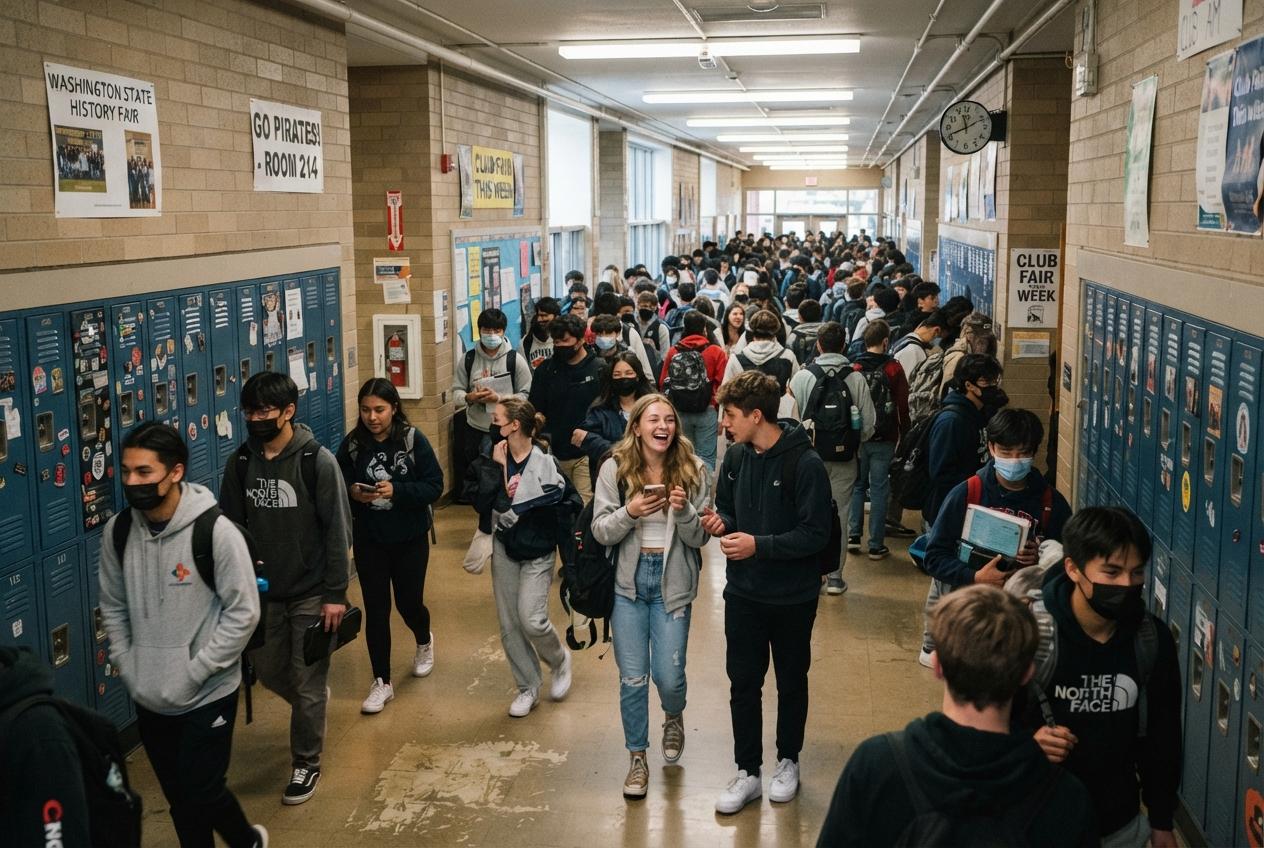
Shoppers are turning to communities of care: new survey data shows LGBTQ+ teens in Washington face higher bullying and lower hope, and local groups are stepping up with support, programs and practical ideas that actually help.
Essential Takeaways
- Bullying gap: About 15% of 10th graders statewide reported being bullied in the past month, but that rate is roughly double for LGBTQ+ students.
- Hope levels differ: Over half of all 10th graders scored as “highly hopeful,” versus 35–38% of gay, lesbian and bisexual students and only around 25% of transgender students.
- Community matters: Support organisations such as Lambert House offer peer groups and consistent adult relationships that research links to better emotional outcomes.
- Practical supports: School policies, family acceptance, visible resources and targeted youth programmes all reduce risk and boost resilience.
- Sensible actions: Simple steps, safe spaces, trained staff, and clear reporting routes, can make schools and communities feel safer and more hopeful.
What the numbers are actually saying about kids' lives
The new Healthy Youth Survey and related releases show steady , but incomplete , progress on youth wellbeing in Washington. The headline figure feels positive: bullying overall is down from a decade ago, and many teens describe themselves as hopeful. But those averages hide a sharper picture for LGBTQ+ young people, who report bullying at double the state rate and far lower hope scores. That contrast is a reminder that progress for the many doesn’t automatically mean progress for everyone.
Context matters: surveys like the Healthy Youth Survey and press briefings from the state health department provide the data, while organisations on the ground translate it into services. And it’s the lived detail , the kid who avoids lunch because they fear a taunt, the student who doesn’t see a trusted adult , that explains how these stats play out in daily life.
Why relationships and belonging make such a difference
Ken Shulman of Lambert House explains it plainly: hope comes from relationships. Lambert House and similar centres offer peer groups, mentors and consistent adult presence , the sorts of steady, nonjudgmental connections that studies say lower anxiety and self-harm risk. When a teen has someone to confide in, their frame of reference shifts; the future seems less lonely and more possible.
This is not just warm talk. Programmes that build connection , after-school clubs, facilitated support groups, youth-led events , translate into measurable wellbeing gains. For parents and neighbours, the takeaway is simple: being available, curious and steady often matters more than having all the right answers.
What schools can do now , practical, low-cost interventions
Schools remain frontline environments where small changes have big effects. Trainers for staff on LGBTQ+ issues, clear anti-bullying procedures, and visible cues , stickers, posters, a designated safe-room , all send a signal that a young person is seen. Policies that let students use chosen names and pronouns, and that protect access to facilities, reduce daily stressors.
From a practical standpoint, administrators should prioritise a few things: staff training that’s repeated not one-off, easy reporting routes for harassment, and quick, confidential follow-up. These actions are relatively inexpensive but hugely meaningful to a teen who needs immediate reassurance.
How families and communities can step in without overthinking it
Not every family needs to become an expert overnight. The most powerful moves are simple and consistent: show curiosity, listen without judgement, and keep doors open. Lambert House’s youth programmes are an example of how community resources can pick up where families struggle, offering both social connection and identity-affirming guidance.
Communities can also support parents , through workshops, peer support and clear signposting to services , so that acceptance becomes easier to practise. Local libraries, sports clubs and faith groups can all make small shifts that add up: gender-neutral bathrooms, inclusive posters, and staff who know where to refer a teen in need.
Looking ahead: trends and what to watch
The data suggests Washington is on a “steady course” in many areas, but disparities persist. Watch for improved reporting and locally tailored programmes as a sign of progress: more schools partnering with youth centres, youth-led initiatives gaining funding, and better measurement of mental-health outcomes specifically for LGBTQ+ teens.
For policymakers and funders, that means investing in the relationships that studies and practitioners tell us matter most. For neighbours and parents, it means showing up in ordinary, persistent ways. Small acts , a phone call, an invite to an event, an attentive teacher , add up to a safer, more hopeful world for queer and trans young people.
It's a small change in approach that can make every teen feel a little less alone.
Source Reference Map
Story idea inspired by: [1]
Sources by paragraph: