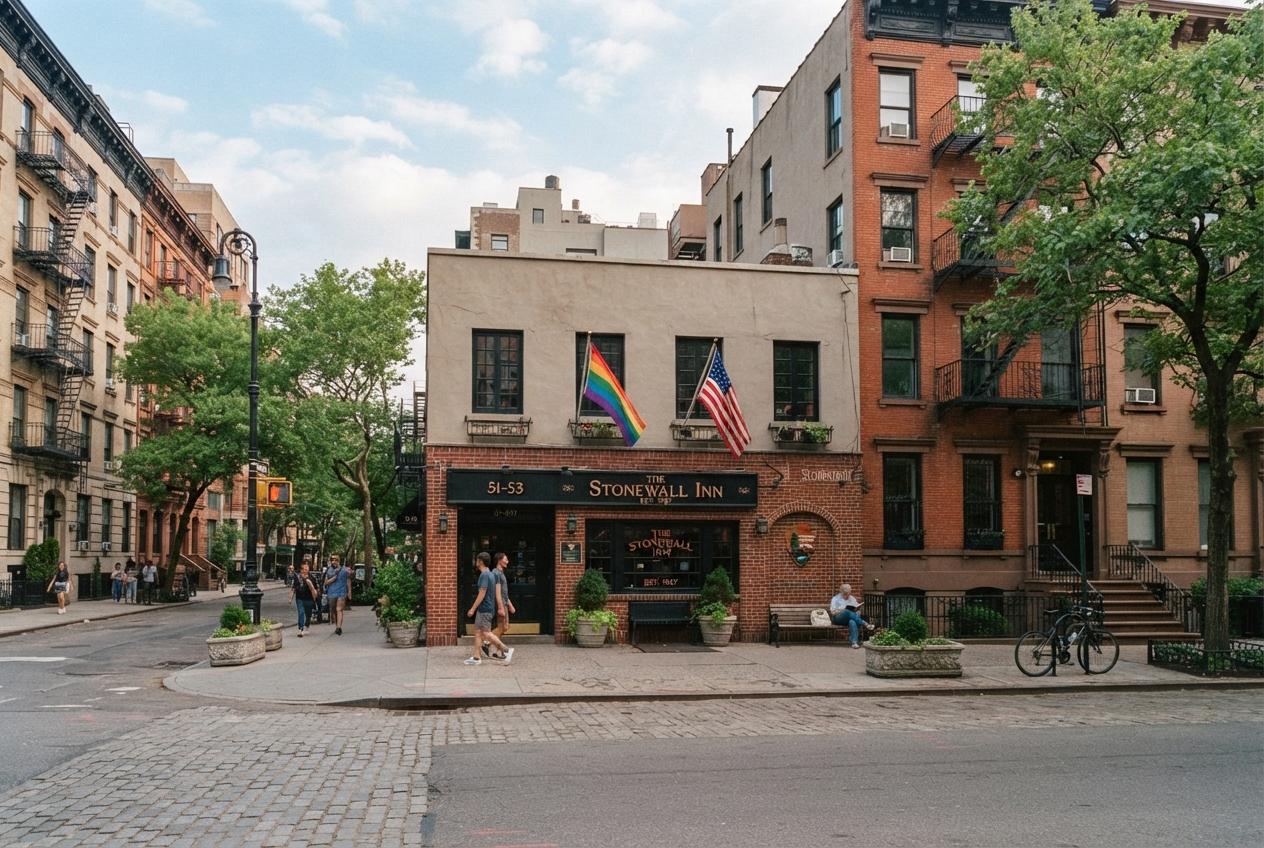
Notice how activists and communities are pushing back: Americans, historians, and local groups are working to preserve LGBTQ+ stories after recent efforts to scrub queer presence from public spaces and monuments, and it matters for memory, rights, and everyday dignity.
Essential Takeaways
- Visible losses: Officials removed Pride flags and words like “transgender” from a major national monument, which feels quiet but chilling.
- Long pattern: Queer erasure echoes decades-old censorship and exclusion across film, military, and archives.
- Community action works: Local libraries, historians, and activists are digitising records and reclaiming public space.
- Practical steps: Donate, volunteer, or back preservation projects , small acts help keep stories alive.
- Why it matters: Preserving queer history protects civil rights narratives and gives future generations context and courage.
What actually happened at the Stonewall monument , and why it hurt
The high-visibility removal of Pride flags and LGBTQ+ language from the Stonewall National Monument wasn’t just a bureaucratic tweak; it felt like someone had quietly turned down the lights on a landmark night. According to reporting in The Guardian and PBS, officials took down rainbow symbols and scrubbed terms tied to gender and sexuality, a move many read as deliberate erasure. This is painful because Stonewall is a living symbol , it’s tactile, noisy, celebratory , and stripping its language sends a message that queer lives are negotiable. For people who grew up learning that history matters, the change felt like a rerun of older efforts to hide same-sex relationships and gender nonconformity from the record. If you’re wondering what to do, start by visiting the site, taking photos, and joining local preservation efforts; eyewitness accounts and images keep the story public and harder to airbrush away.
Erasure isn’t new , it’s a tactic with a long history
Look beyond one monument and you see a pattern: Hollywood’s Hays Code once banned any mention of homosexuality, newspapers sanitised biographies, and institutions routinely purged queer people from records. NationalParkstraveler and other outlets chart how removing language or symbols is only the latest tactic in a long conservative project. That pattern matters because it links cultural exclusion with political and legal exclusion; if your existence vanishes from museums and schoolbooks, it’s easier for lawmakers to cut funding or protections. Archivists and queer historians now emphasise redundancy: back up oral histories, digitise fragile materials, and share them widely so a single administrative decision can’t erase generations of evidence.
How communities are fighting back and keeping memory public
Local librarians, university scholars, and grassroots groups have been quietly, cleverly building defences: digital archives, community museums, and pop-up exhibits that bring queer stories into public view. LGBTQ Nation’s summer edition, for instance, spotlights forgotten figures from the Pansy Craze to Two-Spirit activists, showing how rediscovery itself is political. Grassroots action often looks low-tech , oral history booths at Pride, donated scrapbooks, or rooftop exhibits , but it’s effective. When communities own their archives, they can push back against official narratives and educate on their own terms. If you want to help, offer your time to local history projects, scan family photos, or host listening sessions; preserving everyday stories creates a fuller, harder-to-dismiss record.
Practical ways individuals can protect queer heritage today
You don’t need a PhD to make a difference. Start by checking whether local archives accept donations and what format they need; digital files with clear metadata are invaluable. Volunteer to transcribe interviews or catalogue materials, which makes content searchable and discoverable. Support organisations that fund oral-history projects and community museums, and back legal efforts that protect access to records. Even small donations help buy storage, scanners, or transcription services. Remember: a modest habit , like saving flyers, programmes, and photos from queer events , becomes a historian’s goldmine decades later.
What preserving history does for rights and resilience
When queer histories stay visible, they do more than honour the past; they bolster present-day claims for rights and recognition. Public memory influences law, curriculum, and empathy. Reporting from outlets like PBS and The Guardian shows that contested symbols are often bellwethers for wider policy fights , so defending them is a way of defending services, funding, and legal protections too. There’s also a moral payoff: seeing your predecessors’ courage gives people permission to imagine different lives. That ripple of confidence fuels activism, community-building, and culture. If you care about the future, think of preservation as practical solidarity , it’s a small act that protects stories and, by extension, people.
It's a small change that can make every story harder to erase.
Source Reference Map
Story idea inspired by: [1]
Sources by paragraph: