Shoppers and history buffs alike are turning up for a creative way to save local memory: a zine-making event in Albuquerque invites community members to document queer stories along Route 66, preserving voices that might otherwise slip away as the Mother Road celebrates its centenary.
Essential Takeaways
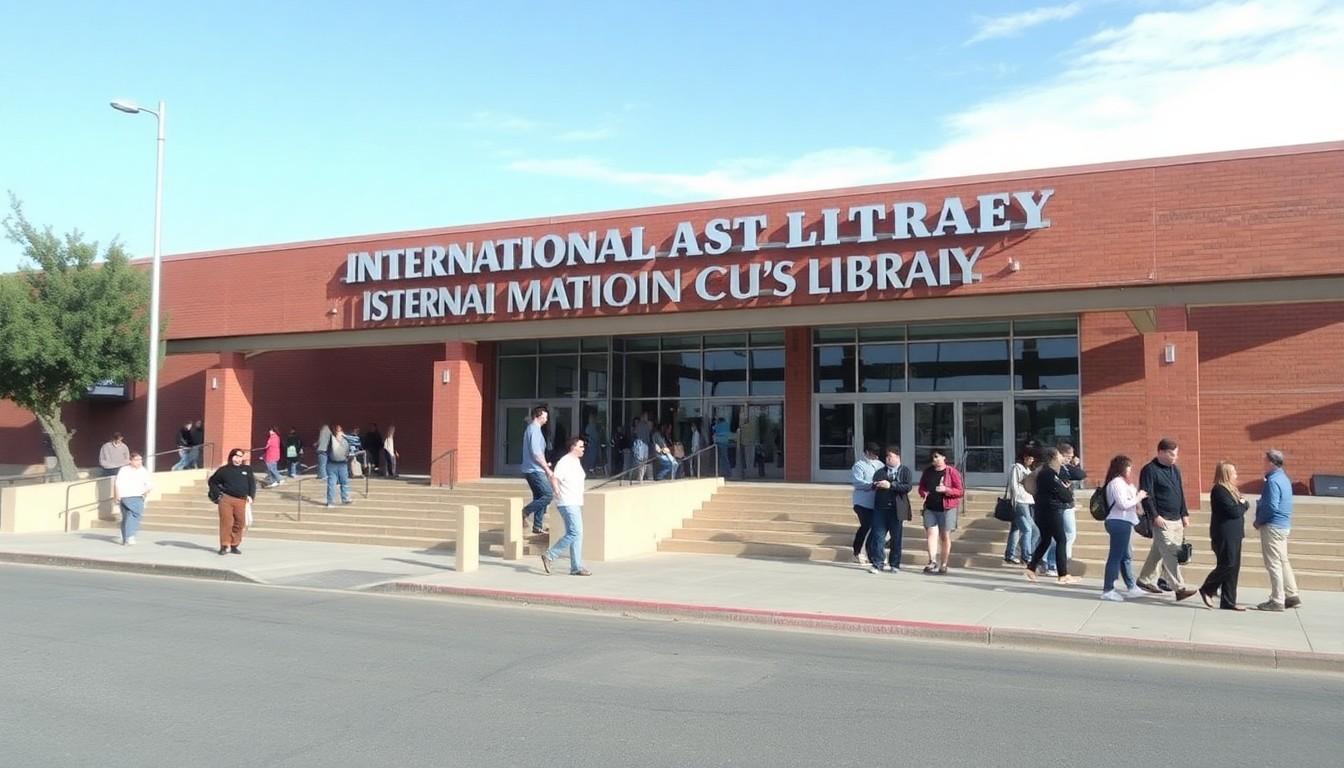
- Community-led: A zine workshop at the International District Library is organised by Together for Brothers to capture queer experiences tied to Route 66.
- Hands-on and low-cost: Zines are simple handmade booklets , collage, art, writing , accessible to anyone, even on the back of a bill.
- History at risk: Albuquerque’s queer history spans 50 years of Pride and the HIV/AIDS era, with many personal stories at risk of being lost.
- Actionable outcomes: Participants can suggest historic marker locations and join a larger effort to document queer Route 66 culture.
- When and where: The event takes place Tuesday 14 July at 5:30pm at the International District Library, 7601 Central Ave. NE.
Why zines are perfect for queer Route 66 storytelling
Zines feel immediate and intimate, with a tactile, DIY charm that suits personal memories. They smell a little of glue and ink and carry the urgency of a story that needs saying now. According to event organisers, anyone can make a zine , from a single photocopied page to a colourful handmade booklet , which lowers the bar for participation and invites a wider range of voices.
The format also resists institutional gatekeeping. While museums and official archives matter, zines offer a parallel archive made by the community, for the community. That’s useful when recording experiences that mainstream histories have often overlooked.
How this fits into Route 66 centennial activity
Albuquerque and other Route 66 towns are staging centennial events, from festivals to speaker series, to reflect on the road’s cultural and economic impact. Local tourism and city arts programmes have highlighted Route 66 as both a travel route and a living thread in Albuquerque’s story, and this zine project plugs queer narratives into that broader celebration.
So rather than a single plaque or gala, this is a grassroots addendum: personal pages that fill gaps in the public record. If you care about centennial events feeling inclusive, this is a practical way to help.
What organisers hope to achieve , and why it matters
Organisers want to co-create an archive, not simply collect ephemera. That means gathering zines, mapping suggested historic locations, and feeding those stories into future projects like markers or exhibitions. The idea is to turn private memory into public recognition without flattening lived experience into a single narrative.
There’s urgency here: many people who remember Albuquerque’s early Pride marches and the community responses during the HIV/AIDS crisis are ageing, and their memories risk being lost. Making a zine is a small, immediate act that contributes to a longer-lasting record.
How to take part and make something meaningful
You don’t need fancy equipment. Bring photos, notes, tickets, a pen and scissors, and a willingness to share. Keep it short , a single striking memory or a collage can be more powerful than a long essay. If you’d rather remain anonymous, you can still contribute: zines can be unsigned or created collaboratively.
Practical tip: think about scale and audience. A zine designed for other locals can use inside references and maps; one aimed at outsiders might give a little more context. And if you’re proposing historic marker spots, jot down addresses, cross streets, and why the place matters.
What comes next for the project
This zine night is one part of a bigger push to document queer life along Route 66 in New Mexico, including conversations about official markers and other public recognition. Expect community-curated material to surface in exhibitions, speaker series, or digital archives that complement municipal centennial programming.
It’s a quiet form of civic storytelling: small booklets that, when gathered, give a fuller, richer picture of life on the Mother Road.
It's a small, creative step that can help make every queer memory on Route 66 harder to lose.
Source Reference Map
Story idea inspired by: [1]
Sources by paragraph: