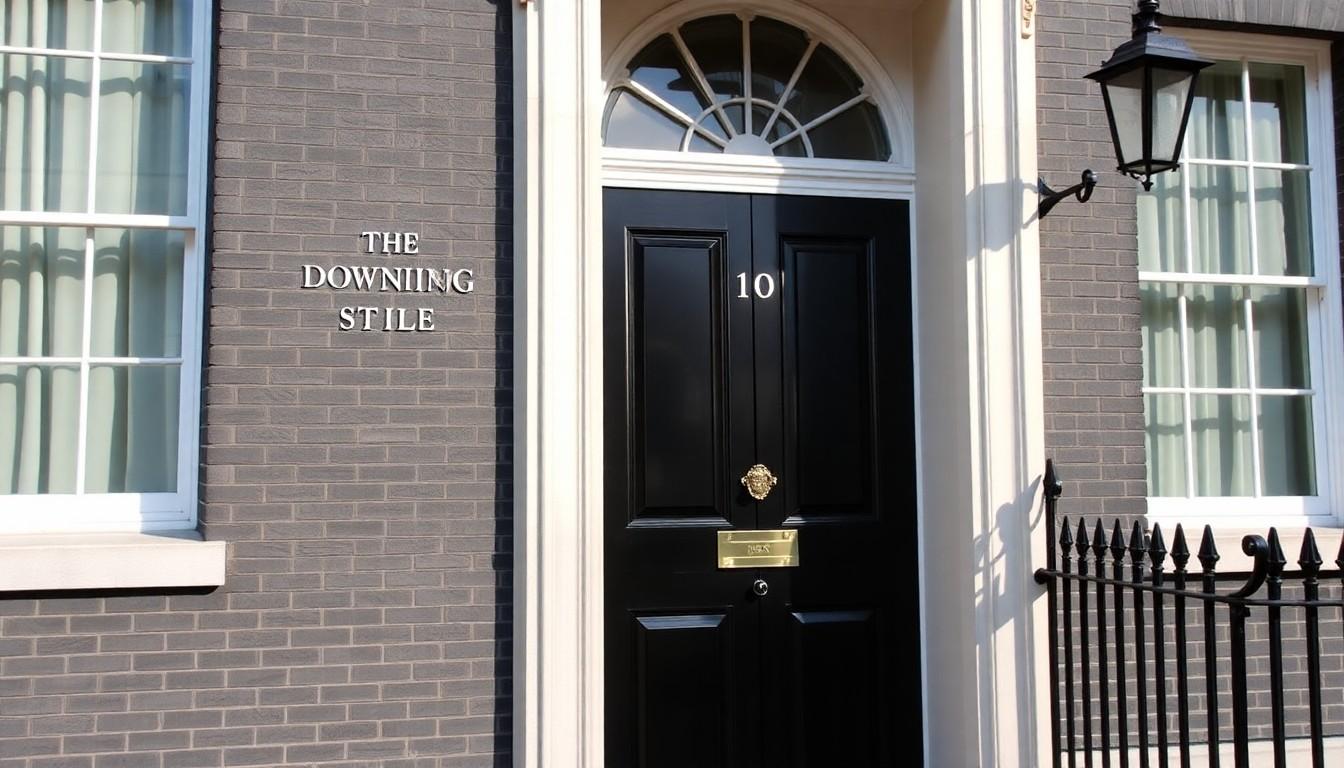
Shoppers and activists alike noticed a surprising shift when Prime Minister Keir Starmer hosted a pared-back Downing Street Pride reception , he spoke warmly about defending LGBT+ rights, even as critics point to two years of policy and rhetoric that many say have made some communities feel less safe. This matters because words at Number 10 still shape public trust and political reality.
Essential Takeaways
- Public pledge: The prime minister publicly affirmed support for lesbians, gay, bi and trans people during the Downing Street reception.
- Credibility gap: Activists and commentators say government actions over two years have undermined safety and trust, especially for trans people.
- Representation note: The Commons has a high visible number of out gay men, but lesbians, bi and trans MPs are much less visible across parties.
- Political context: The reception came amid turbulence in Westminster and wider debate about party leadership and priorities.
- Tone and optics: The event was notable for a conciliatory speech paired with a lack of detailed policy reassurance.
A warm speech, but a chilly political backdrop
Starmer’s remarks at the reception were strikingly affirmative: he vowed the government would defend the rights of lesbians, gay, bi and trans people and warned against division. The line felt deliberate and staged for optics, with a soft, inclusive tone that contrasts with the rougher political themes of the last two years. According to coverage in national outlets, the event was a carefully managed moment designed to reassure communities feeling unsettled.
Actions versus words: why some feel let down
For many campaigners the words ring hollow when weighed against policy and rhetoric over the previous two years. Reports and commentary suggest that trans people, in particular, have felt less safe and less prioritised by ministers. That credibility gap is what fuels the current scepticism , a speech can signal intent, but sustained policy and practical protections are what restore trust.
Representation in the Commons: more complex than the headline
It’s common to hear the UK described as having one of the “gayest parliaments” in the world, but that shorthand flattens important differences. The visible majority are out gay men, while lesbians, bi and trans MPs remain underrepresented across parties. That imbalance shapes whose voices are heard in debates and committees, and it explains why some strands of the community still feel marginalised despite high-profile figures.
Why the reception matters politically right now
The timing of the event matters. Westminster has been through a spate of leadership drama and resignations, and public confidence in government is fragile. A Pride reception at Number 10 gives the prime minister a platform to reset tone, but without concrete policy moves it looks like damage control. Journalists and commentators have been quick to point out the gap between ceremony and substance.
Practical takeaways for activists and voters
If you care about LGBT+ protections, treat speeches as signals not solutions. Ask for specific commitments: legal safeguards, funding for support services, and protections in healthcare and education. Hold representatives to account locally and nationally; representation in Parliament is only part of the story, but it does matter for who sets the agenda and where resources go.
It's a small change of tone that may open conversation , but lasting safety takes policy and follow-through.
Source Reference Map
Story idea inspired by: [1]
Sources by paragraph: