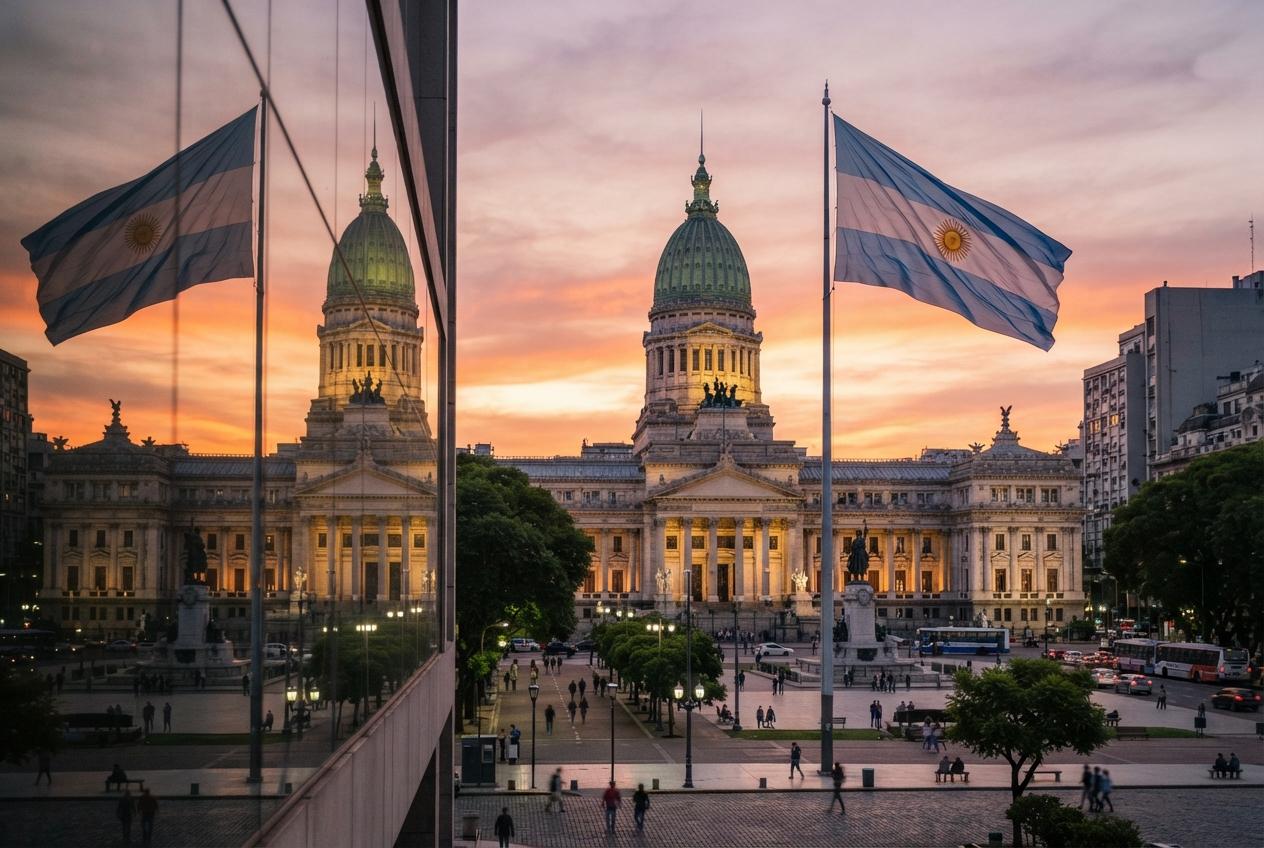
Shoppers and readers are remembering , and celebrating , a quieter kind of anniversary: July 15 marks 16 years since Argentina legalised same-sex marriage, and Flor de la V used the date to post a heartfelt Instagram note about dignity, memory and why rights must be defended. It matters because legislation changed lives and names the love that was once hidden.
Essential Takeaways
- Historic milestone: Argentina legalised same‑sex marriage 16 years ago, a turning point for LGBTQ+ rights in the country.
- Personal testimony: Flor de la V said the law helped “de‑clandestinise” relationships, bringing public recognition and protection.
- Ongoing struggle: She warned that rights need guarding against renewed prejudice and political rollbacks.
- Everyday impact: Recognition meant people could name their families, plan futures and feel less fear.
- What to remember: Celebration comes with memory , advocacy and vigilance remain necessary.
Why July 15 still feels like a victory day
Flor de la V’s post lands like a quiet drumbeat: laws aren’t just technical fixes, they change the texture of daily life. The actress and presenter reminded followers that the 2009 law didn’t merely add legal forms, it let people live out loud with a bit more dignity and less fear. You can almost feel the relief in that idea , a soft unbuttoning after years of hiding.
That kind of testimony matters because it translates abstract rights into household scenes: partners signing documents, family photographs on mantels, children with clear legal ties to both parents. It’s the small, human stuff that makes legislation tangible.
From clandestine to celebrated: what recognition actually does
Flor’s line about leaving “a part of our history no longer clandestine” hits on something practical and emotional at once. Legal recognition removes hurdles , inheritance, hospital visits, parenting rights , but it also removes an invisible weight. People report feeling safer to introduce a partner, plan a future and imagine a life without constant explanation.
Meanwhile, the cultural shift that follows a law is slower. Rights open doors; attitudes change at a different pace. That’s why public voices like Flor’s still carry weight: they remind people that dignity is both personal and legal.
Why activists warn against complacency
The post didn’t stop at celebration. Flor de la V urged vigilance, noting that the fight for equality doesn’t end with a law on the books. Political climates shift and public discourse can slide back toward prejudice. That’s a useful wake‑up call: achievements need upkeep, from legal monitoring to community support and ongoing advocacy.
Organisations and campaigners often stress the same point. Laws provide tools, but civil society keeps watch. If you want to help, small things , donating to LGBTQ+ charities, supporting inclusive candidates, or showing up at Pride events , all matter.
How public figures shape the conversation
When a well‑known personality speaks, the effect is twofold: they normalise and they humanise. Flor de la V’s message blends private memory with public duty, and that mix helps break down stereotypes. Celebrity testimony isn’t a substitute for lived experience, but it amplifies voices that might otherwise be overlooked.
And there’s a practical side: public interventions help younger people see a possible future. Seeing someone you admire speak plainly about rights can be the nudge that makes a difficult conversation feel possible.
What this means for families and everyday life
In concrete terms, recognition changes paperwork and plans. It means smoother access to parental rights, medical decisions and legal protections that other families take for granted. But just as important is the emotional shift , the ability to picture a long‑term life together without the constant shadow of illegitimacy.
If you’re reflecting on this anniversary, consider talking with younger people about what changed and why it still matters. Memory keeps hard‑won gains alive.
It's a small change that can make every day feel safer.
Source Reference Map
Story idea inspired by: [1]
Sources by paragraph: