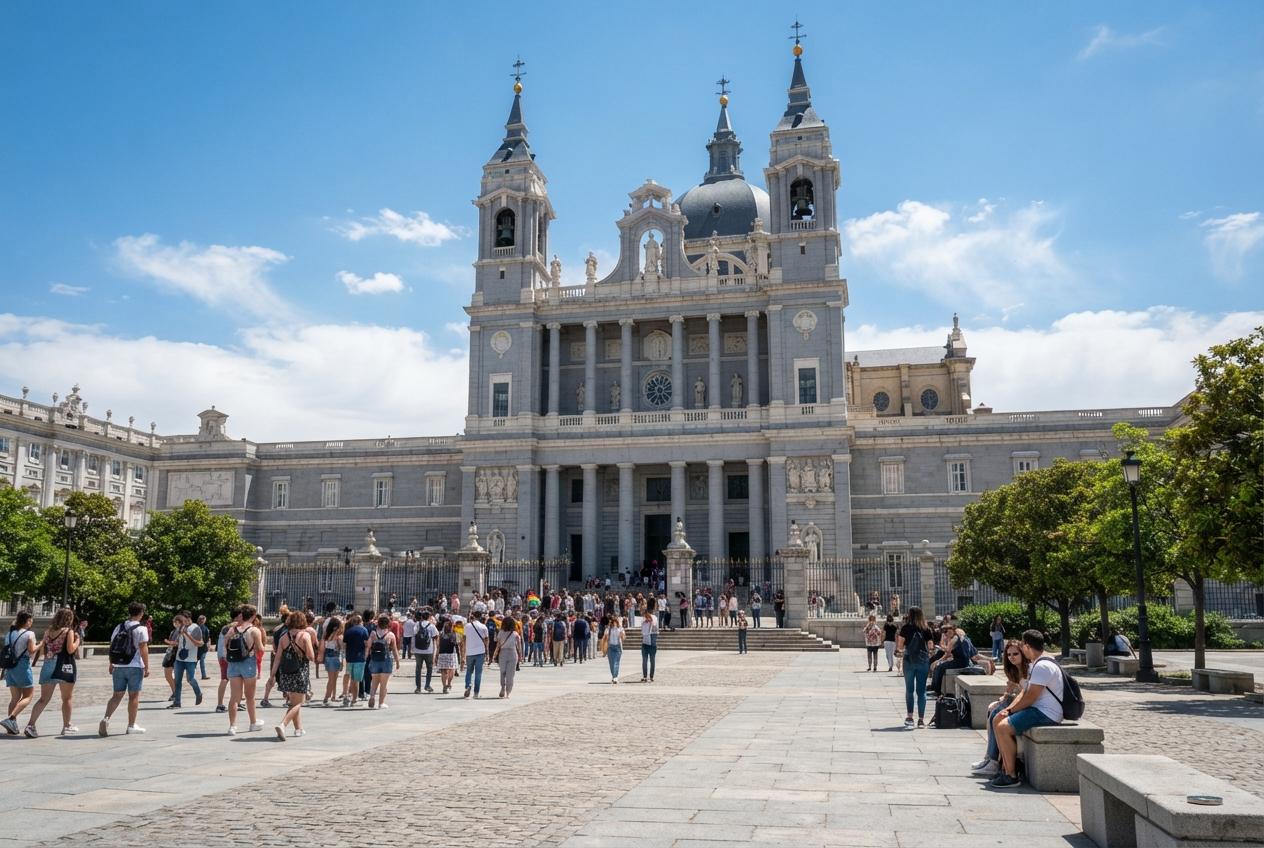
Shoppers of change are watching a small but symbolic moment: CRISMHOM, an LGBTQI+ Catholic group from Madrid, was explicitly invited to a papal event during Pope Leo XIV’s June visit, a sign that some parts of the Church are opening new doors and creating unexpected spaces of welcome.
Essential takeaways
- Historic invitation: CRISMHOM was invited to a papal event in Madrid, the first explicit inclusion of its kind at a papal gathering in Spain, signalling visibility and recognition.
- Event context: The meeting, “Weaving Networks with the Worlds of Culture, Art, the Economy and Sport,” gathered artists, business leaders and academics to explore dialogue between Church and society.
- Local impact: Organisers and participants say the invitation creates pastoral trust and helps build bridges where exclusion once reigned.
- Human message: CRISMHOM’s president urged the Pope to see LGBTQ Catholics as brothers and sisters with a gift to offer the Church.
- Broader caution: Inclusion in one city doesn’t erase ongoing discrimination elsewhere; many LGBT+ Catholics still face silence or exclusion.
A quiet but powerful first , what happened in Madrid
Madrid’s Archdiocese extended a specific invite to CRISMHOM to join Pope Leo XIV at a June gathering, and that small act carried a hefty emotional weight. The meeting wasn’t a Mass or doctrinal pronouncement; it was a conversation space that mixed culture, sport, business and faith, but being present made a message unmistakable , visibility matters. According to local accounts, CRISMHOM members felt seen in a way that can change how people experience belonging.
This invite didn’t appear out of nowhere. Pope Leo’s trip included multiple public engagements designed to connect the Vatican with contemporary life, and Spain’s host archdiocese chose to widen the guest list. The scene felt modern and a little theatrical , artists and academics rubbing shoulders with community activists , and that blend of voices is precisely the sort of bridge-building organisers wanted.
For LGBTQ Catholics who have often been sidelined, presence at a papal event is symbolic capital. It’s not an overnight solution to deep pastoral questions, but it creates openings for conversation, pastoral innovation and, possibly, longer-term shifts in attitude.
Who CRISMHOM are and why they matter
CRISMHOM stands for “Christians of Madrid Homosexuals,” a local group that describes itself as a meeting place to heal pain and build bridges between people who sometimes feel like they live in separate worlds. Their president described the invitation as proof that they belong and have something to offer the Church, not as an afterthought.
Groups like CRISMHOM operate at the intersection of faith and identity, offering pastoral care, community and theological reflection. Their work is quietly practical , supporting members, hosting liturgies, facilitating dialogue , but it also carries a prophetic tone: showing that LGBTQ people aren’t outside the Church but part of its living fabric.
If you’re curious what that looks like day to day, think of small community gatherings, pastoral accompaniment and outreach that asks others to listen rather than judge. Those everyday actions add up.
Why this isn’t the same everywhere , the wider Catholic picture
Celebration at a single event doesn’t erase the uneven reality faced by LGBT+ Catholics globally. Advocacy networks note that experiences vary widely across dioceses and parishes, with many still encountering exclusion, silence or discrimination. Local relationships and pastoral trust make a huge difference, and Madrid’s example shows how progressive local practice can create spaces of encounter.
At the same time, Vatican-level encounters and the Pope’s public messaging influence tone and perception. Pope Leo’s programme in Spain included cultural meetings and liturgies designed to reaffirm gospel fidelity while engaging contemporary society. Those public gestures shape headlines, but pastoral reality will be made or unmade in parishes and diocesan offices around the world.
Practical takeaways for Catholics and curious observers
If you belong to a parish or run a faith community and you want to foster more inclusive spaces, start small: host listening sessions, invite local LGBTQ Catholics to share their experiences, and prioritise pastoral accompaniment. Inclusion doesn’t require grand statements; it often begins with a consistent practice of hospitality and respect.
For individuals seeking community, look for diocesan groups, national networks or umbrella organisations that can offer connection and advocacy. Being visible in a church context can feel risky, but small, sustained encounters, one conversation at a time, build trust and change perceptions.
Looking ahead , what this moment might lead to
This invitation may be a footnote in a papal trip for some, but for those involved it’s a milestone. Small openings can become pathways: local practices influence regional norms, which in turn shape national conversations. If Madrid’s experiment in inclusion encourages other dioceses to invite diverse voices into public Church forums, the ripple effects could be meaningful.
Change in large institutions is slow, and this is one step among many. Still, seeing LGBTQ Catholics at the same table as artists, athletes and academics during a papal visit feels, for many, like progress worth noticing.
It's a small change that can make every encounter count.
Source Reference Map
Story idea inspired by: [1]
Sources by paragraph: