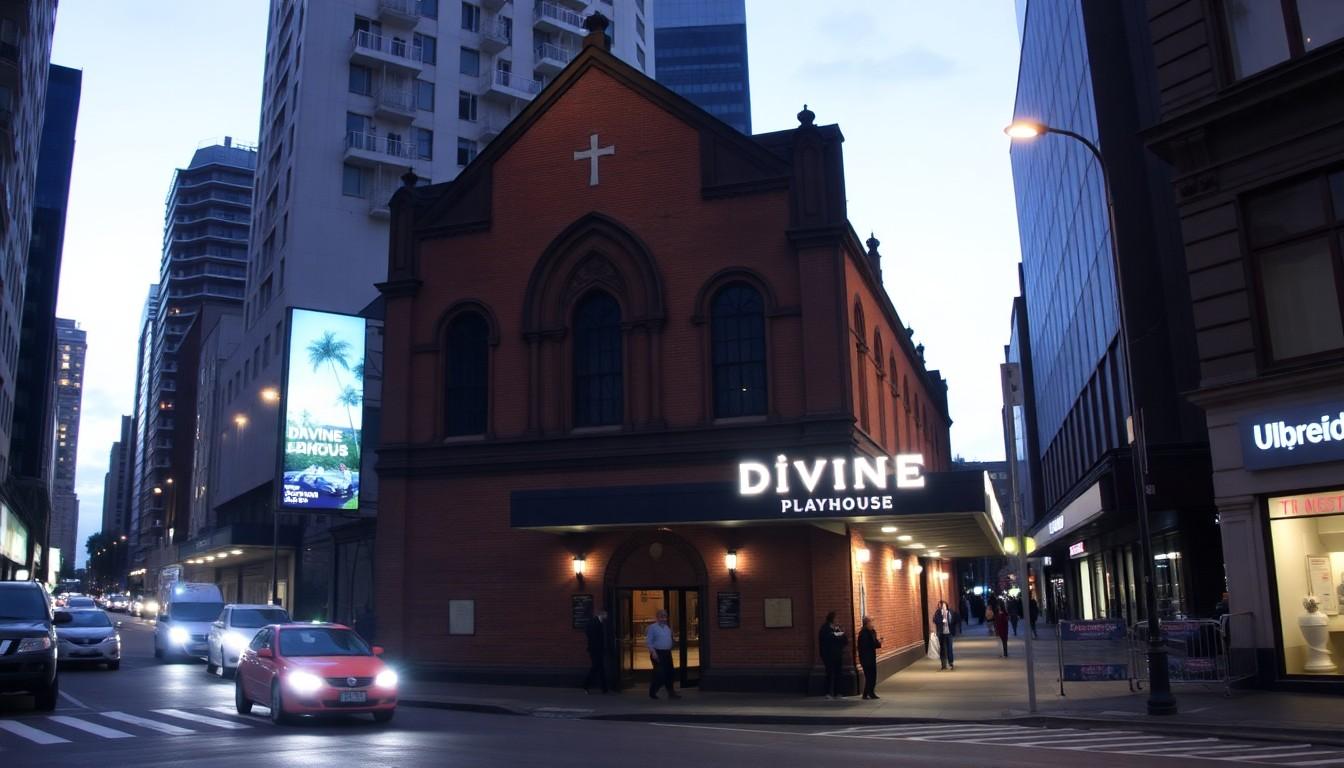
Shoppers and night owls are flocking to a striking new arts-and-nightlife venue in Sydney’s CBD, but it’s also stirred a public row , who’s defending creative reuse of a heritage church, who’s calling for funding cuts, and why it matters for local arts funding and community space.
Essential Takeaways
- Historic setting: The venue is housed in a roughly 150-year-old former church on Kent Street, long deconsecrated and previously used as a theatre.
- Multidisciplinary focus: Organisers promote the space as affordable, flexible and aimed at independent artists, performers and community events.
- Controversy on opening night: Christian groups staged an unauthorised vigil with about 70 people; police dispersed the group and issued at least one move-on direction.
- Public funding in the spotlight: Create NSW granted $100,000 to support a four-month creative revival and festival, prompting calls from conservative politicians to withdraw taxpayer support.
- Community response: The project has vocal backing from parts of Sydney’s arts and LGBTQIA+ scenes, while some Christian influencers and organisers plan further protests.
A bold reuse of a heritage church , and a sensory surprise
Step inside and you’ll notice the low, echoed hush of a former church repurposed for drag, theatre and late-night gigs; the air is equal parts old timber and fresh paint. According to local reporting, the Kent Street building has been through many lives since being deconsecrated in 1932, and organisers say this is simply the next chapter for an 80-year theatre history. The organisers describe the space as deliberately accessible and community-led, which explains why artists and audiences were eager for opening night despite the drama outside.
Why the fight flared: religion, imagery and social media
The opening drew a loud response from several Christian men’s groups who held a prayer vigil outside the venue, and later online critics shared clips and commentary decrying performances that used religious imagery. Police attended what they called an unauthorised assembly of around 70 people and dispersed the crowd. The public argument shows how quickly local culture wars can move from the street to social platforms, with footage mislabelled and heated claims traded on both sides.
Money and meaning: government grants under scrutiny
Create NSW confirmed a $100,000 grant tied to a four-month creative revival and multidisciplinary festival, and that funding has become a flashpoint. Critics including a Family First candidate pledged to push for defunding if elected, arguing taxpayer money shouldn’t support projects they see as mocking faith. Meanwhile, supporters point out that public arts funding routinely underwrites community activation, venue refurbishment and experimental programming , all things this project says it will deliver.
What the organisers say , purpose over provocation
Founder Kat Dopper, known for work with Heaps Gay, told media the venue aims to be a practical, low-cost platform for independent arts rather than a publicity stunt. She says the name was changed from a deliberately provocative original after some community members said they were hurt, which organisers framed as an attempt to keep attention on the programming rather than the branding. That mix of sensitivity and defiance seems to reflect a broader desire to normalise queer-led cultural spaces in central Sydney.
Picking a side or picking a venue: what this means for the city
Sydney’s deputy lord mayor attended the launch and spoke about the venue’s potential as a community asset, while protest groups are already planning further actions. For locals this raises real choices: do you prioritise heritage reuse and creative activity, or public decency arguments raised by faith communities? Practically, patrons should check event listings and entry rules, expect a lively programme, and be aware of scheduled protests if planning a visit.
It's a small change to a building that once held worship , but it’s become a big conversation about who gets to shape public culture.
Source Reference Map
Story idea inspired by: [1]
Sources by paragraph: