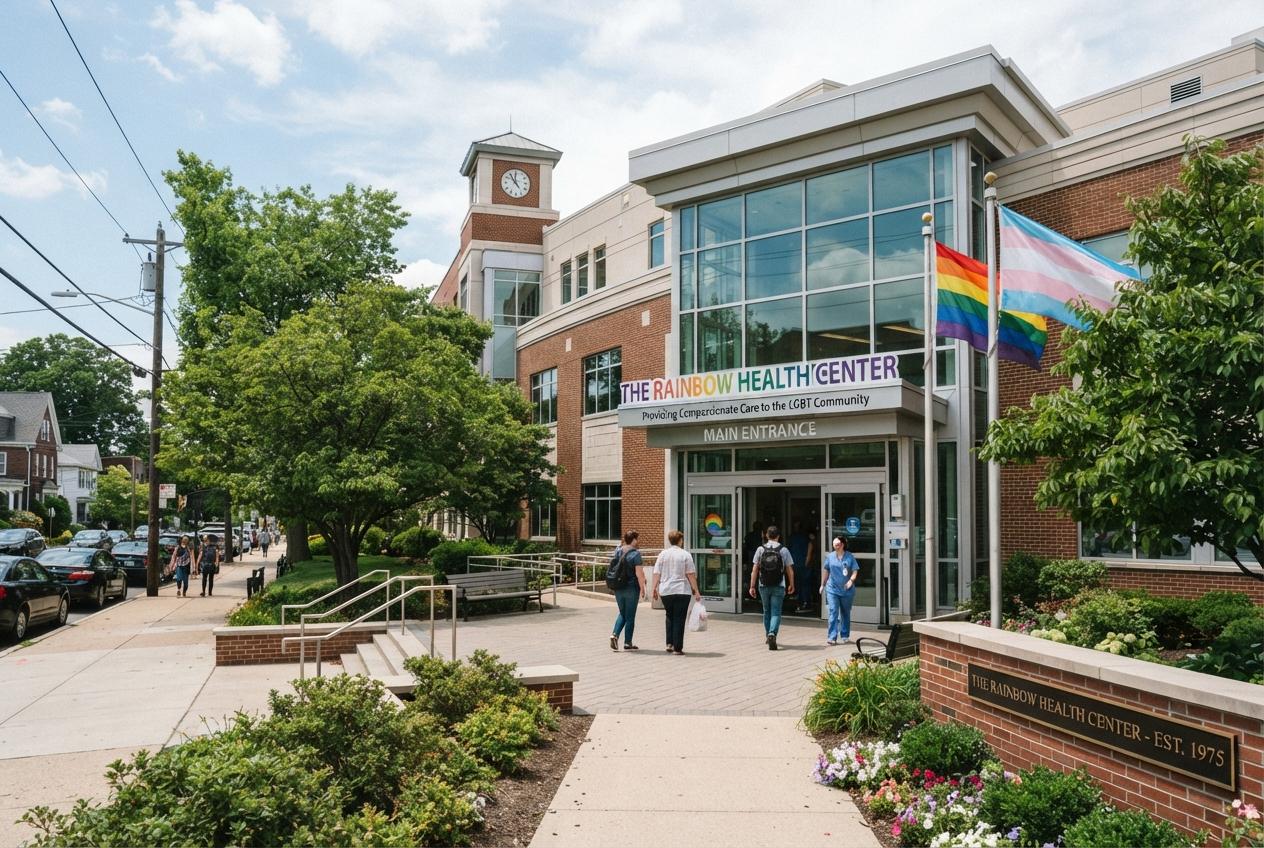
Watchdogs and scholars are spotting a new tactic: anti-allyship, where attacks hit the people and institutions that support queer communities rather than queer people directly , a strategy that matters because it quietly strips away care, safety, and resources. Lawyers, activists, and policymakers are debating reforms to stop this indirect subordination.
Essential Takeaways
- What it is: Anti-allyship imposes legal, financial, or reputational costs on those who support queer people, targeting clinicians, teachers, family members and organisations.
- Why it’s effective: It often avoids traditional civil‑rights claims because harms are indirect, diffuse, or aimed at allies rather than the protected class.
- Common tactics: Threats and litigation against professionals, defunding of affirming services, workplace reprisals, and weaponised accommodation claims.
- Practical reforms: Proposals include expanded standing for allies and indirectly harmed queer people, recognising allyship as protected expression, and reworking accommodation law to consider third‑party harms.
- On the ground: Organisations like civil‑rights groups and legal aid networks are key to defending allies and maintaining services.
What anti‑allyship looks like in practice
Think of a small clinic that provides gender‑affirming care suddenly facing state subpoenas, or a school whose inclusive lessons are dropped after teachers are warned of legal risk. Those are not hypothetical scenes , they’re how anti‑allyship plays out, and the effect is as chilling as it sounds: supportive infrastructure dries up and people lose access to care that once felt routine. The tactic is strategic; it aims at the supporting cast rather than the lead, because law often demands a direct, status‑based harm before it will intervene.
Over the past few years this strategy has accelerated, with campaigns that mix real litigation, performative threats and public shaming. According to legal scholars, the result is indirect subordination , a slow dismantling of what makes community support possible. For families and clinicians, the immediate feeling is anxiety: who can safely speak up or provide care without being singled out?
Why current law struggles to stop it
Civil‑rights doctrine was built to catch explicit, direct discrimination , a clear denial of services to someone because of who they are. Anti‑allyship exploits gaps in that model by inflicting costs on allies, not on queer people directly, which means courts and statutes often fail to recognise the harm. Doctrines like the state‑action requirement, narrow animus definitions, and strong protections for religious accommodation all carve out pathways for anti‑ally tactics to succeed.
Legal commentators argue that these doctrinal wrinkles were never designed to confront collective, systemic harms that operate through third parties. Practically, that leaves teachers, healthcare providers and community groups with patchy protections , sometimes winning under associational discrimination or retaliation theories, but often left vulnerable when harms don’t fit neat legal boxes.
Concrete reforms lawyers are proposing
If you like proposals that do real work, there are several concrete fixes on the table. Expand standing so allies and indirectly harmed queer people can bring suits; sharpen judicial authority to contend with animus‑driven government actions even when queer people aren’t the immediate target; recognise allyship , public support, organising, educational programmes , as protected expressive conduct; and update accommodation law to weigh third‑party and systemic harms, not just the claimant’s conscience.
These ideas aren’t academic fantasies; they’re aimed at plugging the loopholes anti‑ally campaigns exploit. For policymakers, the challenge is political as well as legal: drafting durable, enforceable rules that protect support networks without sparking predictable backlash.
How advocacy groups and services are responding
On the ground, civil‑rights organisations and legal aid groups are crucial. They provide defence for clinicians and educators, challenge overbroad enforcement actions, and document patterns of intimidation. Groups that specialise in LGBTQ+ rights often combine litigation with public education and policy advocacy to shore up local support networks.
If you’re part of a school or clinic, build simple institutional practices now: clear legal counsel, robust record‑keeping, and protocols for public communication. For individuals, allies should know where to seek legal help early , a gentle pre‑emptive step can save months of turmoil later.
Why this matters beyond courtrooms
When allyship is punished, the loss isn’t only legal; it’s personal and communal. Patients can’t access affirming care, students lose inclusive curricula, and families fear speaking out. That erosion of support affects health, schooling and everyday dignity. Calling anti‑allyship by name is the first step to designing laws and policies that recognise indirect harm as still being harmful.
Looking ahead, courts and legislators will need to reckon with how discrimination now operates through networks and institutions. For anyone who cares about equality, defending allies is a practical, urgent piece of the puzzle.
It's a small legal shift that could keep the people who keep queer communities safe in place , and worth watching closely.
Source Reference Map
Story idea inspired by: [1]
Sources by paragraph: