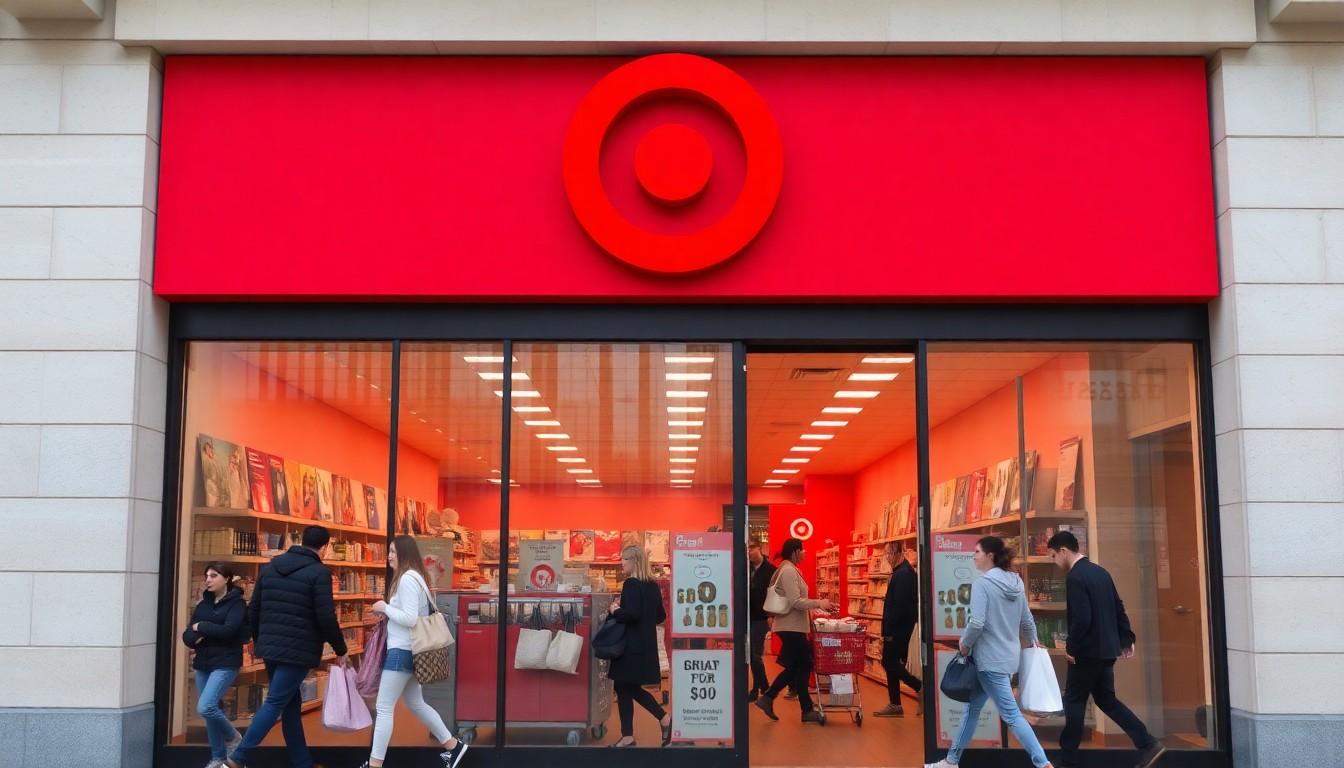
Shoppers are tuning brands out and voting with their wallets: LGBTQ+ consumers and allies are cutting spending where they see retreat from inclusion, and rewarding companies that stay consistent , a trend businesses need to treat as both a financial risk and a growth chance this Pride Month and beyond.
Essential Takeaways
- Spending power: LGBTQ+ consumers represent more than $1.4 trillion in U.S. annual spending and over $3.9 trillion globally.
- Behavioural shift: Roughly seven in ten LGBTQ+ respondents report buying less or refusing purchases from companies perceived as reducing inclusion commitments.
- Rewarding support: Around 65–70% say they increase spending with brands they view as supportive or intentionally committed to inclusion.
- Perception matters: Consumers react to visibility and consistency; a company’s internal policy can be undermined by a perception of retreat.
- Brands in the spotlight: Some big retailers are named often as retreating, while others are seen as steady allies , perception influences loyalty and reputation.
Why LGBTQ+ consumer behaviour now matters more than ever
The headline fact is crisp: LGBTQ+ shoppers are watching and spending differently, and it feels personal. Survey data shows most queer consumers will either buy less or avoid purchases from companies they think have stepped back on inclusion, while many increase spending with businesses they consider supportive, giving this demographic clear economic clout. According to the Human Rights Campaign Foundation, authenticity and consistency build trust, and that trust translates into revenue and long-term loyalty.
This isn’t just moral theatre; it’s market dynamics. Brands that have become less visible about inclusion are being read as retreating, even when internal policies remain unchanged. For marketing teams and boards, that gap between action and perception is a costly blind spot , one that can be fixed with clearer communication and sustained community engagement.
Which brands are gaining trust , and which are losing ground?
Some household names repeatedly surface in respondents’ minds. Companies like Costco, Apple, Starbucks and Subaru are often linked with steady support and authentic long-term inclusion. By contrast, Target, Walmart, Amazon, Chick-fil-A and Home Depot are cited most frequently as having reduced visible support in consumers’ eyes.
That list isn’t a tribunal so much as a reputational snapshot. Consumers are answering the question: who shows up when it matters? Brands earn the benefit of the doubt by being present and consistent, not by one-off gestures. For firms worried about headlines, the lesson is to align public signals with actual policies and partnerships that communities recognise.
How companies can close the perception gap quickly
Start with straightforward fixes: communicate clearly about policies, point to ongoing partnerships with LGBTQ+ organisations, and make inclusion visible in everyday business life , from product assortments to employee benefits and supplier diversity. Businesses should also avoid performative bursts of support; the data rewards steady involvement over sudden, loud activism.
Practical steps include auditing external communications for mixed messages, training frontline staff to reflect inclusive values, and publishing measurable commitments rather than vague promises. According to HRC’s findings, closing that perception gap can translate directly into recaptured spending and improved brand reputation.
What marketers and retailers should be doing this Pride season
Pride provides a platform, but it’s how you use it that counts. Don’t treat Pride as a single campaign; use it to showcase ongoing initiatives, employee stories, and measurable community investments. Align creative and commerce so customers can see the throughline from message to action , for instance, linking Pride products to verified giving or local partnerships.
Also, consider audience segmentation: LGBTQ+ consumers and their allies are likely to reward visible consistency, so invest in year-round content and relationships rather than a short burst of advertising. Transparency about policies and progress will outlast any single campaign and keep customers coming back.
The long view: authenticity pays off
The immediate takeaway is simple: retreating from inclusion risks losing customers at twice the rate of other consumers. But beyond the headline is a business truth familiar to marketers , reputation compounds. Companies that stay persistent, clear, and community-aligned don’t just avoid losses; they build durable loyalty and better long-term results.
If your brand wants to keep that customer segment, show up consistently and make it tangible , your next quarter’s numbers will thank you.
It's a small but strategic shift that can make every customer interaction count.
Source Reference Map
Story idea inspired by: [1]
Sources by paragraph: