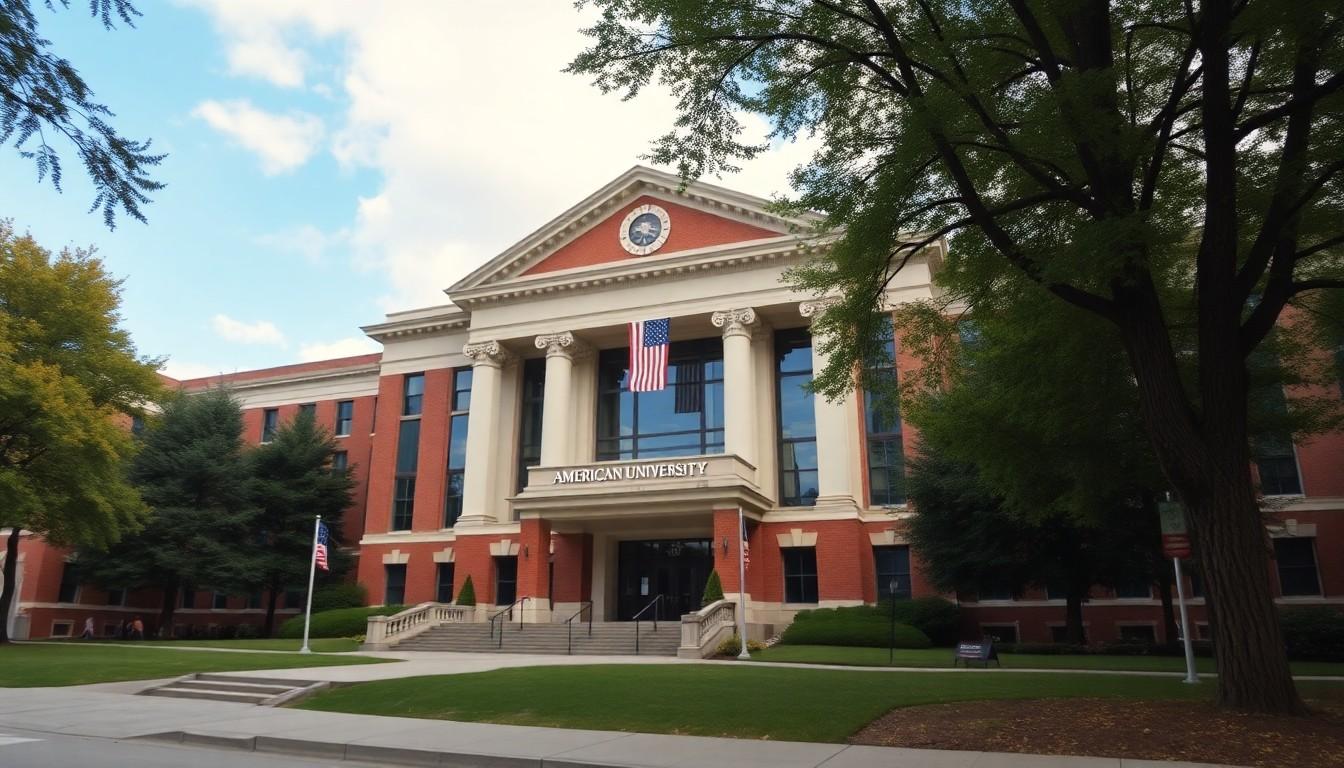
Shoppers of campus culture are noticing a gap: students say American University's "Gay-U" reputation looks good on brochures but doesn't always translate into meaningful support for BIPOC and trans students, and that matters for safety, belonging and daily life on campus.
Essential Takeaways
- Nickname context: Students say the "Gay-U" label was coined by heterosexual peers and often centres white queerness, not BIPOC experiences.
- Everyday frictions: Trans and non-binary students report small but cumulative problems , wrong pronouns, name issues, and poor bathroom provisions.
- Programming disconnect: Campus groups and students provide much of the visible support; several feel the administration’s efforts are more marketing than meaningful change.
- Call for clarity: Leaders of student groups want the university to explicitly declare itself a safe space and put clearer policies and resources in place.
Students say the "Gay-U" brand rings hollow , and sometimes exclusionary
Startling at first is how familiar the nickname sounds and how complicated its reception is on the ground. For many, "Gay-U" suggests a welcoming, visible queer presence; for some BIPOC students it signals a narrower, whiter vision of queerness that doesn’t reflect their lives. According to reporting in The Eagle, students from Black, Indigenous and other communities of colour say the nickname often erases their specific needs and histories. That matters because belonging isn’t just symbolic , it’s how you feel in class, in housing, and when you need administrative support.
Small hassles add up into a bigger problem for trans students
It's not dramatic policy failures that students most often cite but a string of inconveniences and daily embarrassments. Recent graduates and current students told reporters they’ve dealt with official communications that use the wrong names, professors fumbling pronouns, and men’s bathrooms without disposal points for menstrual products. Those are the kinds of details that chip away at trust and make the "friendly" label feel performative rather than lived. When routine systems don’t work, students are the ones who pay the cognitive and emotional cost.
Student groups are filling the gaps , but that's not the same as institutional commitment
Campus organisations and peer-led initiatives are praised for creating community and doing the heavy lifting, yet several students said the university leans on that student labour to craft a progressive image. PRIDE at AU’s president urged the university to stop being ambiguous and to explicitly declare safe-space commitments. That’s a reasonable ask: institutions can and should resource trained staff, clear policies, and accountable mechanisms rather than relying solely on volunteers and student organisers.
Why the administration’s messaging matters , beyond marketing
Branding that highlights diversity without matching services can backfire, leaving marginalized students feeling exposed rather than protected. Administrations set the tone with concrete steps: streamlining name and pronoun changes in official records, training faculty and staff routinely, and ensuring facilities and medical supports are inclusive. According to American University's own student affairs resources, the campus lists LGBTQ+ support services , but students’ experiences suggest a gap between listed resources and lived reality. Closing that gap involves funding, policy clarity, and follow-through.
Practical steps the university could take , and what students can do now
Universities wanting to match image with action might start small and measurable: implement mandatory pronoun training for faculty, audit bathroom and dorm facilities for inclusivity, speed up official name-change processes, and fund dedicated queer-and-trans counsellors, ideally with BIPOC representation. Students meanwhile can document incidents, engage student government or ombudspersons, and push for specific, timebound commitments so change isn't only aspirational. Accountability works best when demands are precise and backed by evidence.
It's a small but important truth: a rainbow on a handbook isn't the same as a campus that quietly fixes the everyday things that make queer, trans and BIPOC students feel safe.
Source Reference Map
Story idea inspired by: [1]
Sources by paragraph: