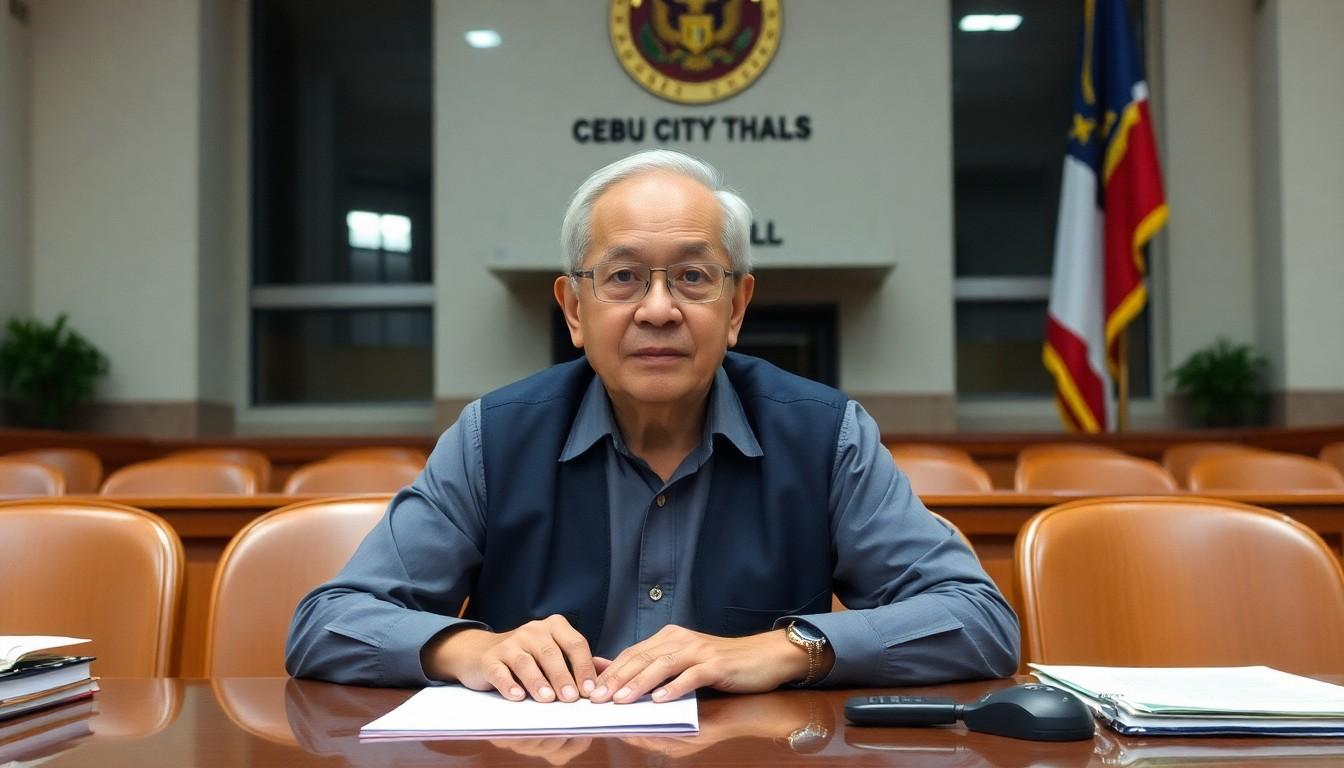
Shoppers, neighbours and activists have been watching as Cebu City edges toward a new, symbolic tradition , a proposed annual commitment ceremony for LGBTQ+ couples that aims to create safer visibility and push back against discrimination while recognising that it won’t alter legal marital rights.
Essential Takeaways
- Proposed ordinance: Cebu councilor Winston Pepito introduced a City Commitment Ceremony Ordinance to establish an annual symbolic event for LGBTQ+ couples.
- Symbolic, not legal: The ceremony would be a public affirmation without legal marriage rights or civil status changes.
- Access and safety: Participation would be voluntary, free, limited to consenting adults, and organisers must protect privacy and prevent discrimination.
- City support: The Cebu City Anti-Discrimination Office would lead implementation, coordinating with multiple city departments and accredited LGBTQ+ groups.
- Timing and funding: The event could be held during Pride Month or other civic observances, with city funds allocated subject to budgeting rules.
Why Cebu is proposing an annual symbolic ceremony now
Cebu’s City Council is debating a measure that would institutionalise a year‑round ritual of public affirmation for LGBTQ+ couples, and the idea comes wrapped in colour and community energy. Rainbow banners and crowds at recent pride events have made visible the city’s growing appetite for recognition and safe spaces. According to local coverage, councilor Winston Pepito filed the ordinance for first reading in mid‑July, aiming to create a dignified, city‑sponsored occasion where couples can affirm commitment in front of witnesses.
The proposal is intentionally symbolic: it doesn’t create legal marriage or alter civil status under Philippine law. That distinction matters to many people , it offers public recognition and emotional validation without promising legal rights that only national legislation could confer. For supporters, this is about visibility and a safer civic platform; for sceptics, it’s a reminder that equality on paper still lies with national reform.
How the ceremony would work , practical details you should know
The draft ordinance spells out simple, practical rules: participants must be consenting adults aged 18 and above, registration would be required, and participation is voluntary and free. The city would cover venue prep, documentation, and accessibility services, but all funding has to follow existing budget rules.
Organisers are obliged to protect participants’ privacy and bar discrimination based on sexual orientation, gender identity, disability, religion or other protected statuses. The Cebu City Anti‑Discrimination Office would coordinate the ceremony with the mayor’s office, social welfare, civil registry, tourism and accredited LGBTQ+ organisations , a neat mix intended to make the event both inclusive and smoothly run.
Where this fits in a bigger Philippine picture
Cebu’s proposal echoes moves in other local governments around the Philippines. Naga City already institutionalised an annual LGBTQ commitment ceremony, showing a model for how cities can offer symbolic recognition without legal change. Quezon City likewise runs its own commitment ceremony programme, which provides templates for logistics and participant protections.
Those municipal experiments are part of a broader trend: local initiatives building inclusive civic culture even as national debates about legal recognition continue. For community groups, these symbolic ceremonies can be powerful , they normalise public commitment, generate media attention and sometimes pave the way for stronger anti‑discrimination measures.
Who’s involved and what activists are saying
The ordinance names the Cebu City Anti‑Discrimination Office as lead implementer and invites accredited LGBTQ+ organisations to take part. That’s important because community groups know how to make events feel welcoming and safe, and they often act as a bridge between city services and participants.
Reports from recent Grand Pride events in Cebu show big turnouts and palpable enthusiasm, and organisers say visibility matters. For many couples, a public ceremony is more than symbolism , it’s affirmation in front of family and neighbours. Still, advocates are quick to remind readers that these ceremonies don’t replace the need for legal protections and equal marriage rights at the national level.
How to think about attending or supporting the ceremony
If you’re considering taking part, check registration requirements once the ordinance passes and the city sets a date. Expect accessibility services and privacy protections, and bring along trusted friends for support , public affirmation can feel emotional, joyous or nerve‑wracking depending on your circle.
For allies, the simplest support is showing up: attend the event, volunteer with accredited groups, or raise awareness about the distinction between symbolic recognition and legal rights. Local governments can help shift public attitudes; community turnout helps keep that momentum going.
It's a small, public step toward greater visibility that could change what acceptance feels like in everyday life.
Source Reference Map
Story idea inspired by: [1]
Sources by paragraph: