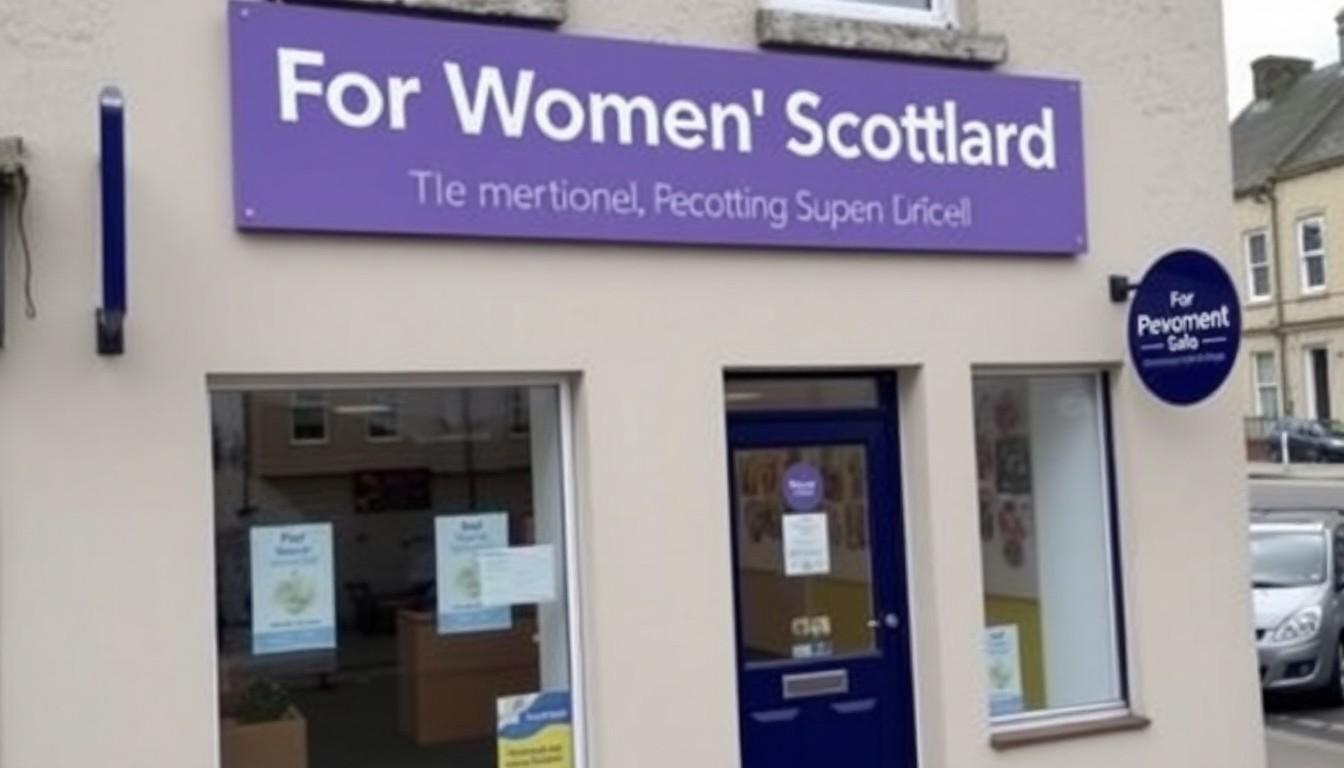
Shoppers of headlines have been watching a fraught clash play out: Amnesty International UK briefly listed J.K. Rowling’s Beira’s Place among “anti-rights” groups, sparking legal threats, high-profile criticism and a fast internal review , and raising bigger questions about women-only services, rights and who decides them.
Essential takeaways
- Temporary removal: Amnesty International UK has temporarily taken down its briefing listing Beira’s Place as “anti-rights” while conducting an internal review.
- Who’s affected: Beira’s Place is a women-only trauma support centre founded by J.K. Rowling in 2022 that excludes trans women born male from its services.
- Public backlash: The listing provoked criticism from public figures and organisations and prompted warnings of legal action from groups named in the report.
- Legal context: Amnesty’s briefing referenced a Supreme Court judgment that reinforced sex-based access to single-sex spaces, a key driver of current policy disputes.
- Emotional stakes: Survivors and campaigners say this is about safety and dignity; others view the issue through the prism of trans rights and equality.
Why the listing made headlines , and why it felt personal
Amnesty’s decision to name Beira’s Place landed like a splash in a small, tense pond. The centre, set up in 2022 to support female survivors of sexual violence, is designed as a women-only space and does not accept trans women who were assigned male at birth. That stance, already politically charged, became national news once a respected human rights organisation labelled it “anti-rights.” The move quickly drew fierce reactions and legal warnings, and Amnesty pulled the report for review over the weekend.
Context matters: this isn’t just an organisation-versus-organisation spat. For many survivors, the idea of a safe, single-sex space carries a sensory reality , a quiet room, a steady therapist, a sense of privacy , and those needs collide with evolving legal and social definitions of gender. Readers should note Amnesty’s temporary removal emphasises how sensitive and contested the terrain is.
How the legal backdrop shaped the debate
The briefing didn’t exist in a vacuum. Amnesty flagged a recent Supreme Court ruling that affected access to single-sex spaces, a decision that has reshaped how charities, public services and prisons consider placement and service eligibility. The judgement and subsequent government positions mean organisations that base access on biological sex now do so against a shifting legal and political landscape.
That matters practically. If you run or use a crisis service, understanding the legal framework helps you design intake forms, staff training and safeguarding processes. It also explains why some groups threatened legal action after being labelled “anti-rights” , reputation and regulatory scrutiny are real risks.
What campaigners and critics are saying
Responses were predictably loud. Supporters of Beira’s Place and groups like For Women Scotland framed Amnesty’s list as an attack on women’s legal rights and an unjust smear of organisations that prioritise sex-based protections. Several named organisations warned Amnesty it could face defamation claims unless it apologised, and public figures weighed in, amplifying the story.
On the other side, LGBTQ+ advocates and some legal analysts say Amnesty’s intention was to map movements they see as rolling back trans and LGBT+ rights. Amnesty’s original briefing also discussed a broader decline in LGBT+ rights across the UK, citing factors from stalled legal gender recognition reforms to conversion practices. The clash has become shorthand for a deeper cultural battle.
What this means for survivors and service design
If you work in or use frontline services, the episode underlines two practical points. First, clear policy and communication matter: organisations should spell out who their services are for and why, while keeping safeguarding and dignity central. Second, legal advice is no longer optional for charities navigating sex and gender policy , decisions can attract high-profile scrutiny and regulatory interest.
Consider small, actionable moves: review intake language, ensure staff are trained in trauma-informed care that’s sensitive to gender questions, and have a legal or governance plan for public controversies. That’s how a quiet support centre avoids becoming a headline.
Where things might go next
Amnesty’s internal review will decide whether the briefing reappears, is revised, or prompts formal apologies. Meanwhile, the larger debates on single-sex spaces, transgender inclusion and the rights of women in service contexts are unlikely to quieten. Expect more legal challenges, further political scrutiny, and renewed calls for clearer government guidance.
For the public, the row is a reminder that policy, law and empathy all need to be balanced. Whatever your view, the people most affected are survivors seeking support; keeping their needs front and centre is the humane, practical priority.
It's a small change that can make every support space safer and clearer for the people who need it most.
Source Reference Map
Story idea inspired by: [1]
Sources by paragraph: