Shoppers, readers and citizens are noticing that hostile social posts are getting far more visibility than affirming messages in South Africa, and it's starting to matter offline; researchers say coordinated action from platforms, civil society and journalists could narrow the gap and protect vulnerable communities.
Essential Takeaways
- Big gap in reach: Harmful narratives about LGBTQIA+ people consistently attract wider audiences than supportive content, according to recent analysis.
- Corrective rape rhetoric: Disturbingly casual references to corrective rape appear across jokes, fanfiction and everyday posts, normalising a violent crime.
- Everyday slurs: Using "gay" as an insult remains common online, quietly reinforcing exclusion and stigma.
- Positive voices exist but are smaller: Pride and visibility posts build resilience, yet they rarely match the reach of hostile messaging.
- Call to act: The report urges social platforms, media, government and NGOs to invest in proactive counter-narratives and moderation changes.
Why reach matters: hostile posts are shaping norms
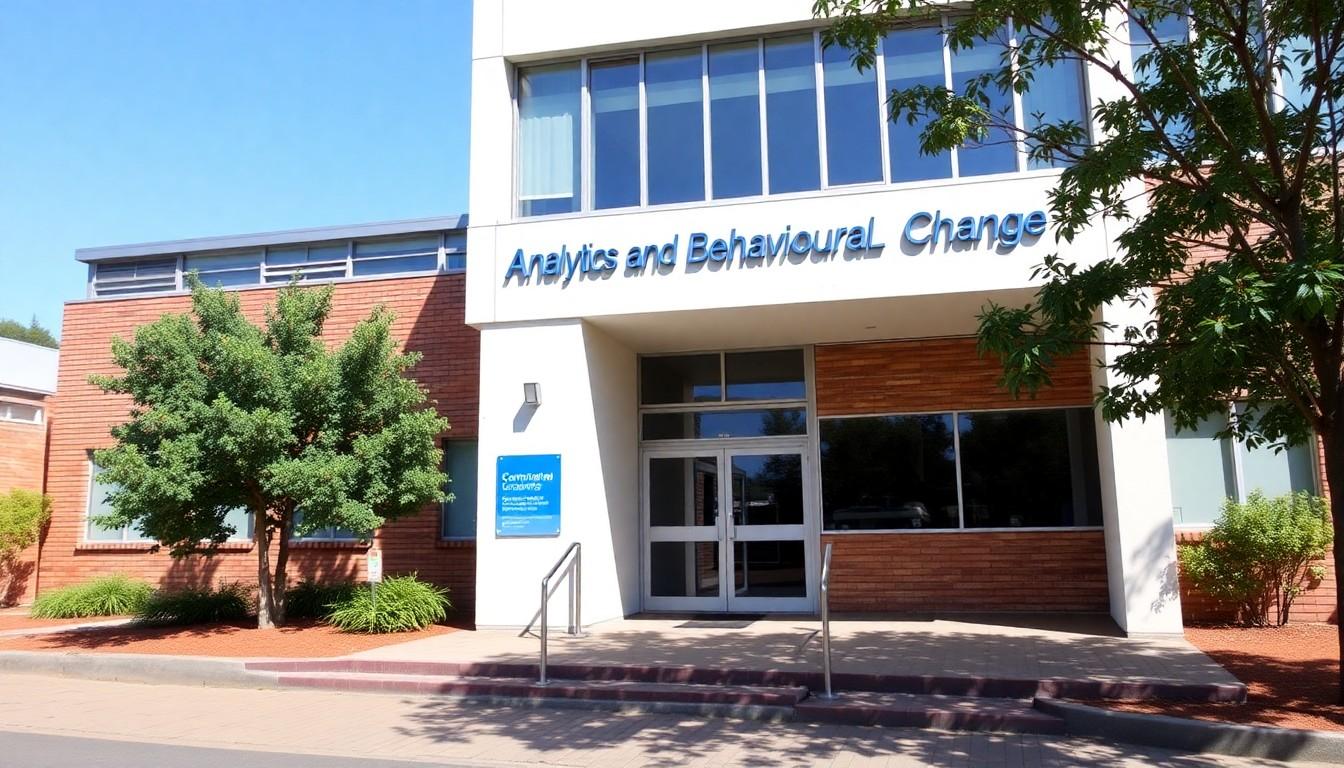
The clearest finding is blunt: reach equals influence, and hostile posts are winning the numbers game. The Centre for Analytics and Behavioural Change analysed over 909,000 posts and found that content attacking or erasing LGBTQIA+ identities consistently travelled further than messages of inclusion. That wider visibility matters because what we see often becomes what we accept , a quiet shift in tone that can make prejudice feel ordinary.
It’s not only about nasty comments. The study shows how certain violent ideas, like corrective rape, crop up in seemingly harmless formats , memes, jokes, fanfiction , which strips them of shock value and helps normalise them. When a violent notion becomes background noise online, it can lower barriers to harm offline.
Corrective rape rhetoric: casual cruelty with real consequences
One of the report’s most alarming threads is the circulation of corrective rape rhetoric. Researchers spotted the idea popping up across multiple online spaces, sometimes earnestly, sometimes as a punchline. That casualness is what worries experts; it suggests a social environment where targeted sexual violence is entertained rather than condemned.
Scholars and activists have long documented how such myths circulate, and the new analysis shows the formats have adapted to social platforms. For readers, the takeaway is stark: what looks like a throwaway joke can carry real-world permission for violence, and tackling those formats is as important as calling out the ideas themselves.
Everyday language that hurts: slurs, erasure and the "un-African" myth
Casual insults are another driver of harm. The study highlights how "gay" is regularly used to mean weak or undesirable, shifting the word away from identity and toward insult. That sort of language chips away at dignity and normalises exclusion.
Meanwhile, the persistent claim that LGBTQIA+ identities are "un-African" ignores historical records and lived experience showing diverse gender and sexual identities in pre-colonial Southern Africa. Researchers point out that this myth travels quickly online and often reaches more people than posts that correct the record, which is why targeted history-telling and culturally grounded counter-content matter.
Positive content is building resilience , but needs muscle
There’s good news: online communities are not all hostile. Pride posts, trans visibility, and personal stories of belonging create vital spaces of support. One highlighted example was a Xhosa transgender woman who combined cultural heritage with queer identity, directly rebutting the "un-African" claim in a human, shareable way.
Yet the study finds those posts rarely get the same traction. The practical response is to invest in amplification , paid boosts, media partnerships, and coordinated campaigns , so affirming voices reach beyond their immediate networks. Civil society and funders should treat visibility as a strategic investment, not an occasional instinct.
What platforms, media and governments should do next
The report recommends clear, coordinated steps. Platforms must do more than reactive takedowns; they should tweak algorithms that amplify harmful patterns, reduce reach for posts that normalise violence, and support trusted community moderators. Journalists and editors should check whether their coverage amplifies hostile frames and actively foreground counter-narratives.
Governments and NGOs can help by funding proactive communications and education campaigns that anticipate harmful frames rather than merely responding to them. Small changes , clearer moderation labels, contextual reporting, and strategic boosts for positive content , can shift the visibility balance over time.
How you can help as a reader or editor
If you’re posting, question whether a joke trivialises harm. If you’re an editor, ask whether a story repeats a dehumanising frame or helps explain the historical context. And if you’re part of a community group, consider partnerships with journalists and platforms to push out culturally grounded counter-narratives that reach beyond existing allies.
It’s not an overnight fix, but deliberate visibility work can make online spaces safer and in turn protect people offline.
It's a small change that can make every post count.
Source Reference Map
Story idea inspired by: [1]
Sources by paragraph: