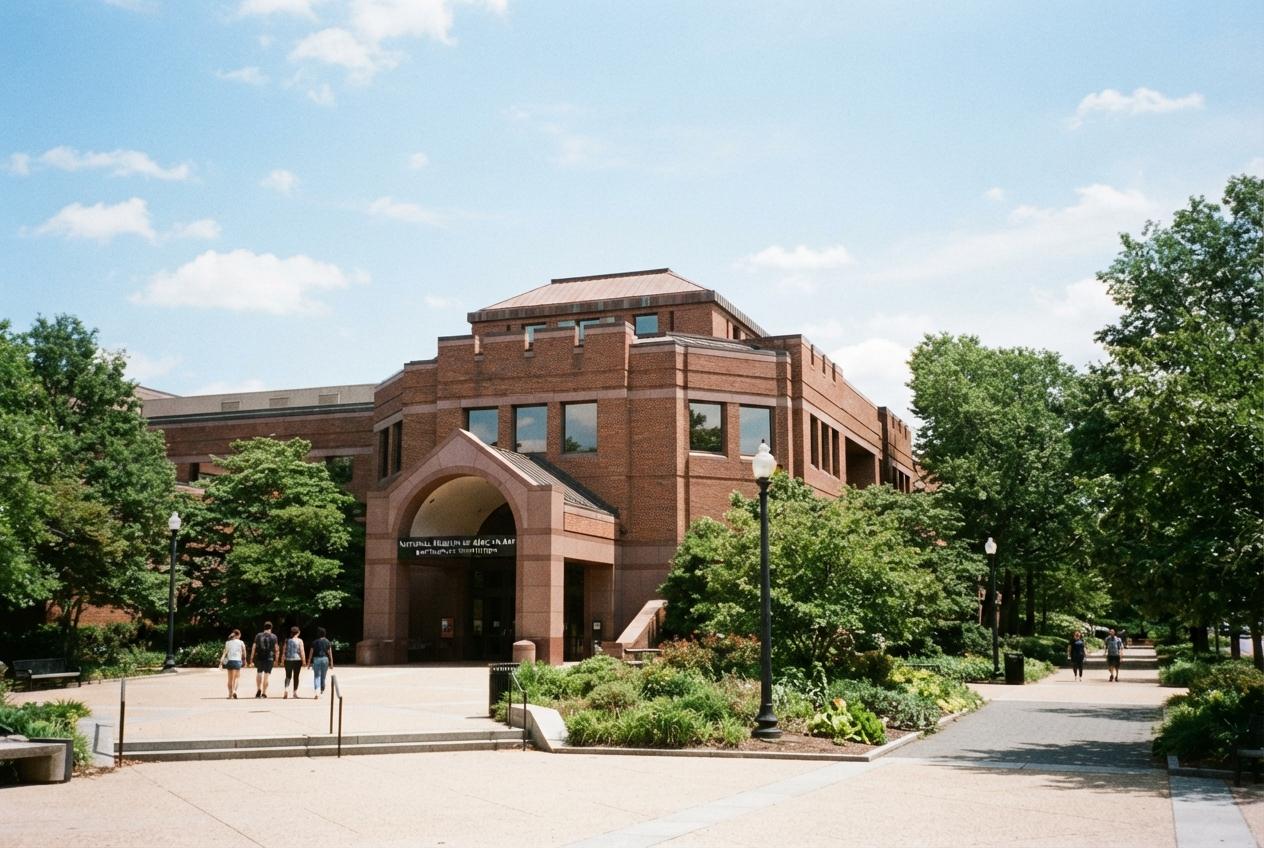
Discover nearly 60 vivid works celebrating LGBTQ+ artists from Africa and the diaspora at the National Museum of African Art , a quietly groundbreaking exhibition that matters for history, visibility and pure visual joy, on view through 23 August with free admission.
Essential takeaways
- Scope: Nearly 60 works across painting, photography, sculpture, collage, installation, video and digital art from more than 20 African nations.
- Firsts: The show is the museum’s first major exhibition devoted to LGBTQ+ African artists and one of the largest such surveys ever mounted.
- Standout pieces: Jim Chuchu’s Invocation video series and Athi-Patra Ruga’s Versatile Queen are among the most talked-about works.
- Practical info: Exhibition runs through 23 August at the Smithsonian’s National Museum of African Art, 950 Independence Ave. SW; admission is free.
- Mood: Expect everything from bold, in-your-face glamour to quietly tender animation , the gallery feels joyful, reflective and alive.
Why this show feels like a small cultural revolution
The opening hook is simple: you step into a subterranean gallery and the atmosphere changes , bright colour, sharp ideas and work that insists on being seen. According to the museum, Here: Pride and Belonging in African Art gathers nearly 60 works that together undo the idea that queer experience is marginal to African art history. The result is immediate, emotional and celebratory.
The museum’s co-curation gives it weight. Co-curators Kevin D. Dumouchelle and Serubiri Moses shaped a narrative that foregrounds artists from Africa and its diaspora, so visitors feel a throughline rather than a scattershot selection. That curatorial voice helps the exhibition read as part of a larger, joyful story rather than a tokenised sidebar.
If you’re used to museum shows that talk dryly about provenance, this one speaks in colour, texture and music. The feeling is both scholarly and clubby , it educates, but it also invites you to linger and lean in.
Works to look out for , bold, quiet and uncanny
Start with Jim Chuchu’s Invocation series, which the museum has presented with new context this time around. The video work is intimate and haunting, with a personal backstory that frames it as both art and lived experience. It’s the sort of piece that knocks the breath out of you because it’s both formally assured and emotionally raw.
Then there’s Athi-Patra Ruga’s portrait Versatile Queen: A Transhuman Proposal, which brings a theatrical, almost theatrical camp to the galleries. It’s flashy, confrontational and impossible to look away from , a good reminder that queer art can be that deliciously in-your-face.
But the show isn’t only about spectacle. Meriem Bennani and Orian Barki’s animated short 2 Lizards offers a quieter, witty counterpoint, and Rachid Boukharta’s Garden of Delights reminds you that desire and tenderness can be rendered with the subtlest brushstrokes.
How the exhibition rewrites a hidden history
A key point behind the show is that queer lives have always been part of African artistic expression, even when histories failed to name them. Museum curators note that earlier, smaller pioneering shows in Lagos and Dakar laid groundwork, but nothing on this scale has been mounted until now.
That context matters beyond institutional milestones. For visitors it changes how you read the works , not as isolated gestures but as chapters in an under-told story. The show nudges audiences to rethink what counts as mainstream art history, and the museum setting gives those stories a broader platform.
For anyone teaching or learning, this is useful: the exhibition supplies concrete examples you can point to when discussing representation, identity and the ways museums can reframe narratives.
Practical tips for visiting and getting the most out of it
Plan to spend at least 60–90 minutes if you want to watch videos and read labels; some of the moving-image pieces demand time. The museum sits under the National Mall, which makes it an easy add-on to a day of Smithsonian hopping , and yes, admission is free, so you can drop in without planning a ticket purchase.
If you’re visiting on a weekend, check the museum’s events schedule; there are panel discussions and talks that add helpful context and voices you won’t want to miss. Also, take a moment to stand back from the busier, louder pieces and find the quieter works , they often reveal themselves on second viewing.
Bring a friend who likes to argue about art. You’ll leave with conversation starters, and perhaps a new favourite artist to follow.
What this show means going forward
This exhibition feels like a turning point for the National Museum of African Art , it’s a sign the institution is willing to broaden its frame and centre stories that were once sidelined. According to organisers, it’s one of the biggest exhibitions of LGBTQ African art ever assembled, which should ripple out to galleries, collectors and educators.
In practical terms, expect to see more museum shows building on this approach: more queer-centred surveys, more diasporic linkages and more willingness to treat identity as central, not peripheral. And for visitors, this show provides a rare chance to encounter a spectrum of queer African artistic practice in one place.
It’s a vivid, human collection that will linger in your head long after you leave the galleries.
It's a small change that can make every viewing feel more inclusive and alive.
Source Reference Map
Story idea inspired by: [1]
Sources by paragraph: