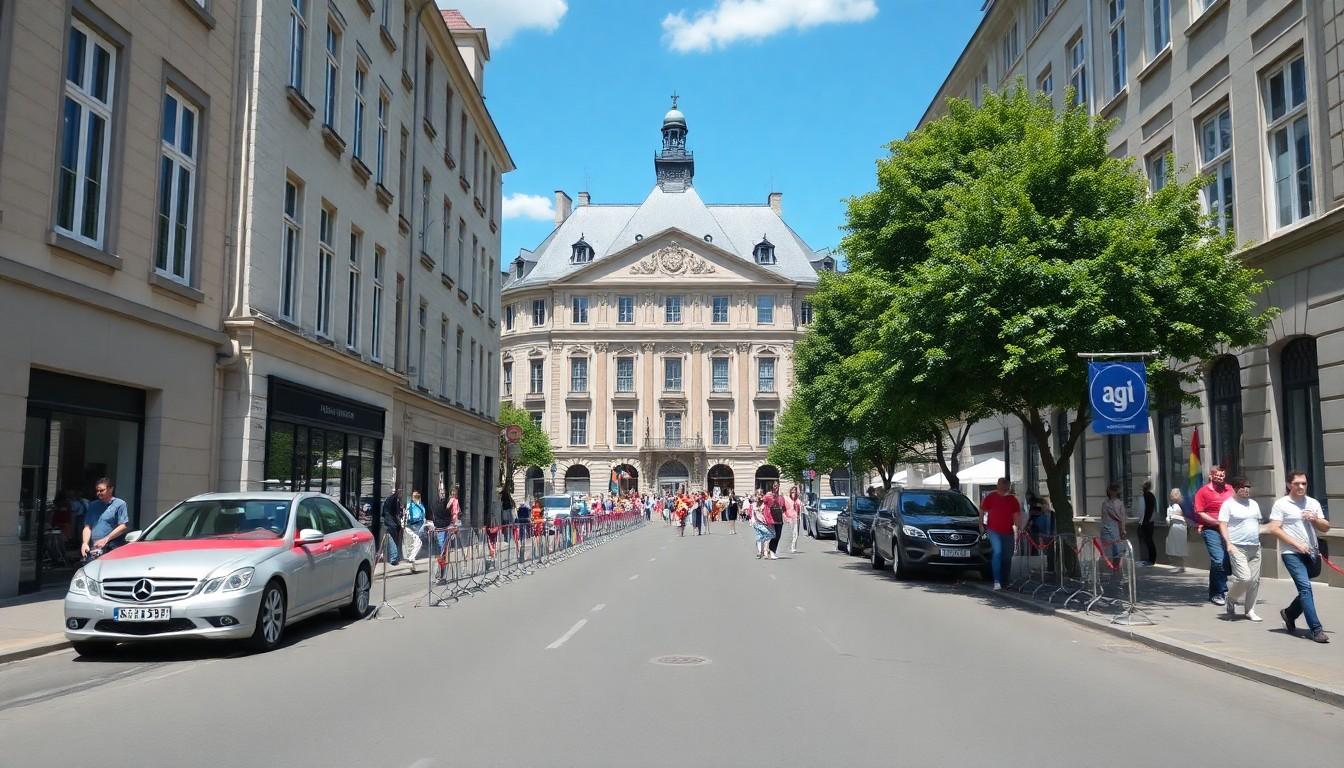
Shoppers, students and neighbours turned out in Luxembourg City this Pride season, reminding us that visibility, solidarity and safety still matter , not just as celebration but as protection. Here's why Pride remains relevant in 2026, what the data says, and practical ways to show up for LGBTQ+ friends and neighbours.
Essential Takeaways
- Legal gains: Luxembourg ranks highly on legal protections for LGBTQ+ people, sitting among Europe’s top performers.
- Everyday reality: Surveys show many in Luxembourg feel violence and prejudice have risen, so law alone isn't enough.
- Visibility counts: Pride offers a public space to be seen, reduce isolation and signal allyship.
- Solidarity beyond borders: Celebrations connect local communities to people in countries where being out is still dangerous.
- How to help: Simple steps , from learning the language people use to challenging casual bias , make Pride more than an event.
Pride in the street: visible, colourful, necessary
Pride’s parades are sensory: colours, music, laughter and the small, human moments that make strangers feel known. Those scenes in Luxembourg City tell you something immediate , people want to be seen and to celebrate love without filters. According to ILGA-Europe’s 2025 Rainbow Map, Luxembourg scores well on legal protections, which explains why many can take to the streets confidently. But law is only part of the story; everyday experiences still shape whether someone can live openly. Participation in Pride sends a practical message: visibility reduces stigma, creates networks and makes it harder for prejudice to thrive unseen. If you want to support, turn up, listen and stay visible outside Pride weekend too.
Laws on paper, worries in daily life
It’s heartening that Luxembourg ranks among Europe’s strongest performers on policy, but surveys show a more complicated picture on the pavement. The EU Agency for Fundamental Rights’ 2024 LGBTIQ survey found a significant share of people in Luxembourg reporting increases in violence and intolerance in recent years. That gap between legal status and lived reality is familiar everywhere: rights can be granted, but social attitudes take longer to change. Public displays of solidarity , workplaces, schools and streets , help fill that gap by signalling what behaviour is expected and accepted. Practical tip: employers and community groups should pair policy with training and visible support measures all year round, not only in June.
Solidarity is louder than celebration
For many interviewed in Luxembourg, Pride isn’t only about joy; it’s a deliberate act of standing with people who still face exclusion. Turning up as an ally matters because in many countries across the globe, LGBTQ+ people cannot live openly without fear. That international perspective keeps Pride anchored in human rights work: it’s a reminder that progress here doesn’t erase the struggles elsewhere. Campaigns, fundraising and political pressure at European level all flow from that visible base of support. If you want to be useful, amplify voices from affected communities and support groups working cross-border , small donations and signatures on petitions are practical ways to help.
What visibility actually does , and doesn’t , achieve
Visibility humanises. Seeing couples, families and friends in public reduces the “othering” that feeds prejudice, and it gives younger people templates for how to live. But visibility can’t replace structural protections like policing reforms, anti-discrimination enforcement and accessible services. Policy advocates and community leaders say the best outcomes come when visibility and political action work in parallel. That means celebrating Pride while pushing for better reporting systems, victim support and inclusive education. A useful rule of thumb: celebrate loudly, but lobby quietly and persistently. Your presence at a march is powerful , your letters to representatives keep the pressure on.
How to show up beyond the parade
Showing up isn’t limited to banners and glitter. It’s about everyday behaviour: using inclusive language, challenging jokes that demean, and supporting LGBTQ+ businesses and services. Schools and workplaces that normalise inclusion make Pride less of a one-off and more of an everyday expectation. For people who want to help but don’t know where to start, local NGOs often publish clear guides on allyship, volunteering and donation options. Employers can adopt visible policies and offer training; neighbours can check in with friends. Little, consistent acts add up. And remember: sometimes the most helpful thing is to listen , let people tell their experience, and then act on what they say they need.
It's a small change that can make every Pride moment safer and more meaningful.
Source Reference Map
Story idea inspired by: [1]
Sources by paragraph: