Shoppers of headlines have been circling after HMP Moorland hosted an LGBT-themed sports day for inmates, sparking anger and debate about who was invited, why the event ran and what it means for public confidence in prisons. Here’s a clear, practical look at the facts, the reactions and what to watch next.
Essential Takeaways
- Event held: An LGBT-themed sports day took place at HMP Moorland, with decorations and an invited drag performer.
- Mixed attendance: Both self-identified LGBT prisoners and inmates serving sentences for sexual offences were reported to have been present.
- Staff awareness questioned: Some reports say many staff were not informed the event was happening, suggesting a low-profile approach.
- Public reaction: Former prison leaders and campaigners criticised the decision, saying it risks undermining confidence in the system.
- Context: Moorland is a Category C prison with a high proportion of sex offenders and a history of scrutiny by inspectors.
What happened at Moorland , a simple reconstruction
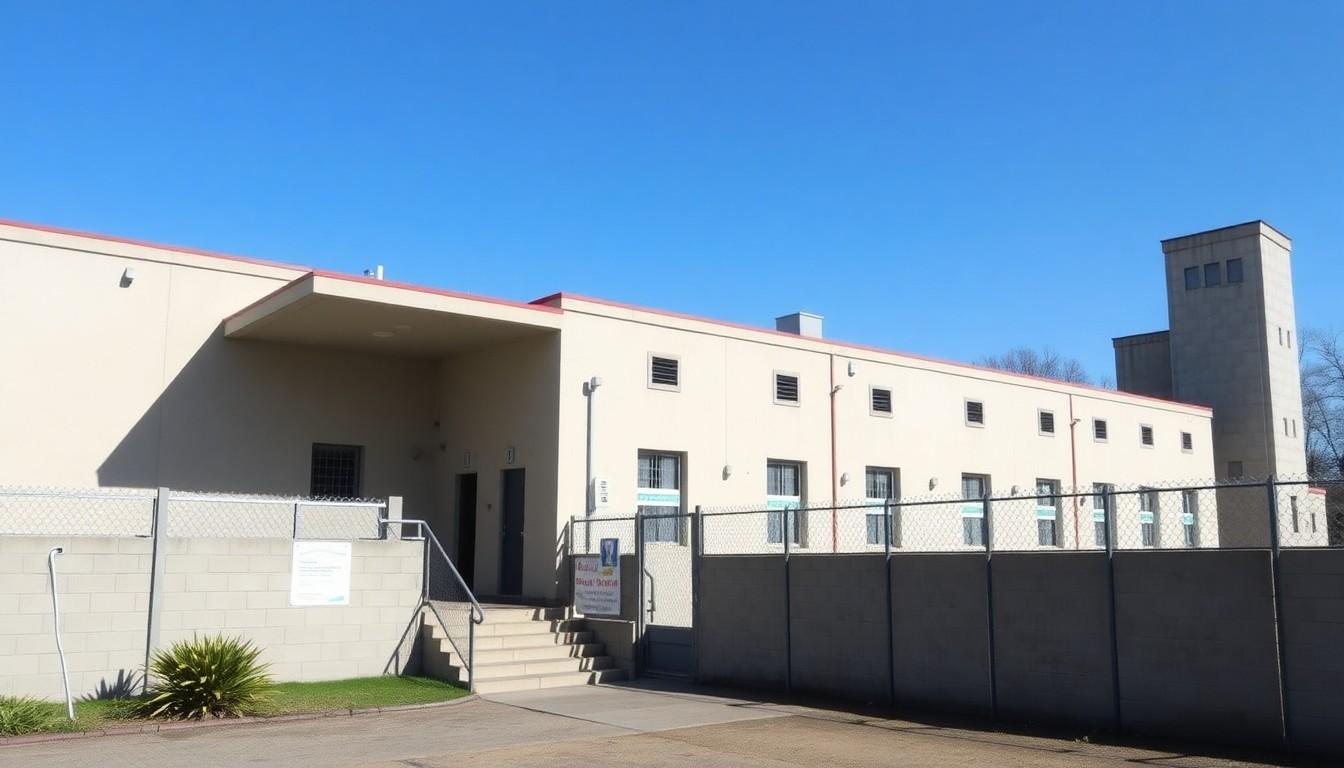
Reports say HMP Moorland, near Doncaster, staged an LGBT sports day with coloured decorations and entertainment that included a drag performer. Witnesses told journalists the performer spent much of the event on the sidelines rather than centre stage. The atmosphere, from the descriptions, seemed low-key rather than carnival-like.
According to ITV and other local reporting, the event aimed to recognise diversity among prisoners. But it’s also true Moorland holds a large number of inmates convicted of sexual offences, which is why this particular event quickly became contentious.
Why staff not being told matters
Several accounts suggested many members of staff were not informed the sports day would take place, which raised eyebrows. In a tightly controlled environment like a prison, communication lapses can cause very real safety and morale problems.
Former governors have said such decisions need clear operational planning and staff briefing. If an activity is organised without wider consultation, it can look like managers have prioritised optics over procedure, and that’s partly why the story very quickly acquired political heat.
The reaction from former officials and campaigners
Former prison governor Ian Acheson was quoted criticising the decision, wondering what the leaders at the prison were thinking. That kind of comment is aimed at public reassurance: when high-profile events go ahead in facilities with many sex offenders, critics say the public have a right to be uneasy.
Campaign groups and politicians framed the event as further evidence of a prison system struggling with overcrowding and early releases, feeding a broader narrative about strained resources and lost control.
What inspectors and local reporting say about Moorland’s context
Moorland isn’t an unfamiliar name to inspectors and local media. It’s a Category C prison with well-documented challenges, including a high proportion of inmates convicted of sexual crimes and past critical inspection findings. That context matters: an activity that might be uncontroversial elsewhere takes on a different tone in a prison with this profile.
Readers should note that prison policy often includes efforts to support diversity and rehabilitation, but such programmes must be balanced against safety, staff engagement and public confidence.
How to think about diversity activities behind bars
There’s a straightforward distinction to make. On one hand, inclusive activities can help prisoners feel human, address isolation and support rehabilitation. On the other hand, activities must be planned with transparency, staff involvement and safeguards that reflect the prison population.
If you’re curious or concerned as a member of the public, look for answers to three practical questions: who exactly was invited, how was staff safety and oversight ensured, and what measurable purpose did the event serve for rehabilitation or prisoner welfare?
What happens next and why you should care
Expect local MPs, prison watchdogs and the Ministry of Justice to seek clarification. Events like this become a test of communication and policy: how prisons explain their choices matters as much as the choices themselves.
And for the rest of us, it’s a reminder that rehabilitation policy, operational practice and public confidence all interlock , small decisions can spark big debates.
It's a small change in how prison life is managed that can spark big questions about priorities and transparency.
Source Reference Map
Story idea inspired by: [1]
Sources by paragraph: