Shoppers are flocking to Amsterdam’s galleries this summer as World Pride fills the city with colour, history and fierce creativity; here’s a lively guide to the best queer art shows to catch, who’s showing, and why these exhibitions matter for culture and community.
Essential Takeaways
- Must-see show: Ons Geloof is Liefde traces the Lutheran queer community from the 1950s to today, mixing archive and new commissions.
- Standout solo: Chris Rijk’s If You Read This You Are Gay pairs cheeky Delft-style ceramics with frank explorations of masculinity.
- Historic queer art: Icons of Desire revives the RoB Gallery legacy with Tom of Finland’s unmistakable homoerotic drawings.
- Party portraiture: Beautiful Creatures offers Polaroid-rich portraits of club life, raw, joyful and neon-lit.
- Anniversary nod: Love Lives Here marks 25 years of same-sex marriage in Amsterdam with intimate couple portraits.
A faith-forward show that reframes history
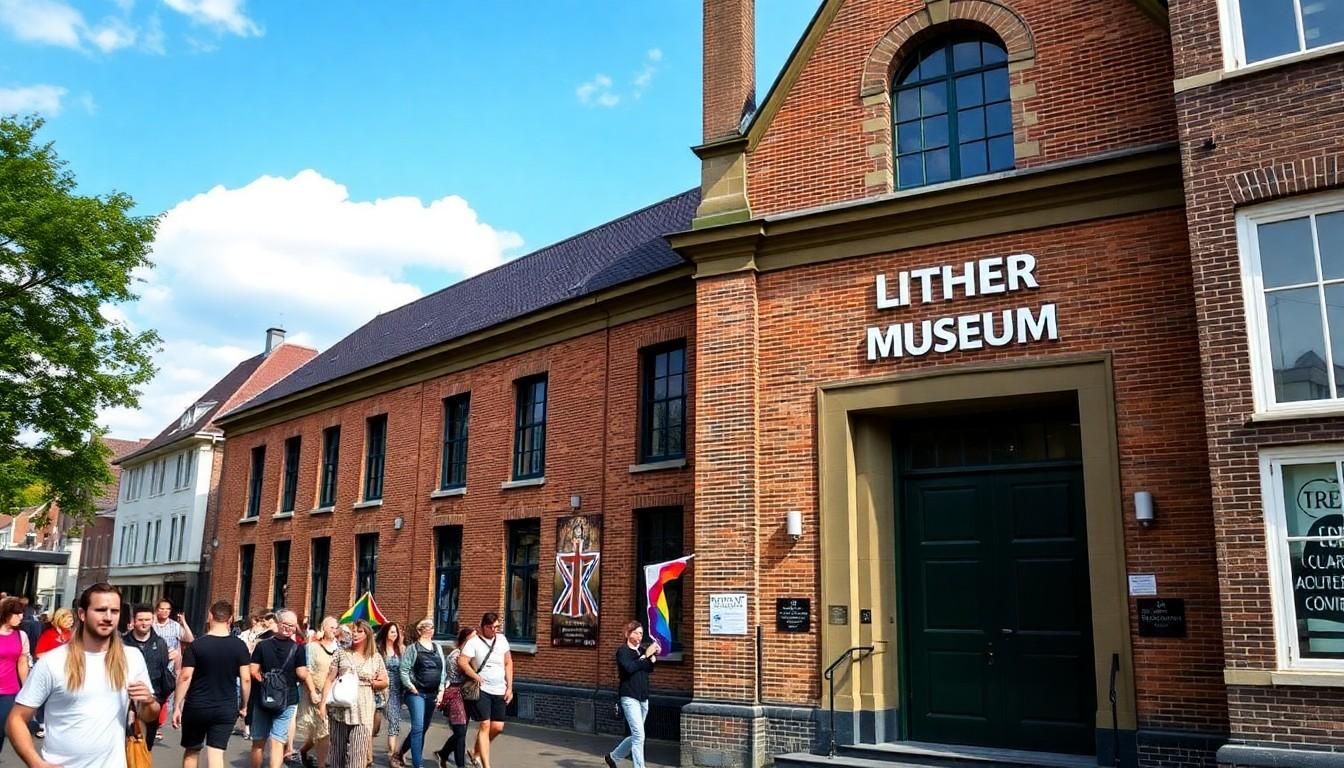
Ons Geloof is Liefde is both gentle and sharp, the kind of show that hums with memory and purpose; it feels like stepping into a small chapel filled with stories. The exhibition maps how a Lutheran queer community carved out belonging from the 1950s onwards, and commissions eight contemporary artists to imagine queer futurity. According to local listings, it’s on at the Luther Museum Amsterdam through 11 October, and the blend of archive material with new artworks gives the show an emotional resonance, sometimes tender, sometimes defiant. If you want context for how faith and queerness intersect in Dutch life, this is a thoughtful place to start, and it’s especially good for visitors who appreciate storytelling with a human face.
Chris Rijk’s ceramics: playful, erotic and a little rude
Chris Rijk’s If You Read This You Are Gay flips Delftware’s blue-and-white decorum into something deliberately provocative. The works wink at tradition while celebrating a very modern masculinity: muscular forms, tattoos and cheeky slogans. Rijk has said he makes work about the man he wants to be, and that conflicted desire comes through in each piece, there’s humour, but also a soft vulnerability beneath the bravado. The solo show runs at Rademakers Gallery from late July into mid-August, and it’s a smart pick if you like ceramics that feel tactile and theatrical; bring sunglasses, because the glossy glazes catch the light.
Tom of Finland and the icons of queer desire
Icons of Desire revives a chapter of queer visual culture that helped shape sexual politics in the 20th century. The drawings, mustachioed, muscular, sometimes outrageous, were circulated and celebrated in underground scenes and helped frame a new kind of visibility. Galerie de Schans spotlights the RoB Gallery’s role in distributing that work in the 1970s and 80s, and seeing the pieces today offers both a jolt and a history lesson. Expect bold line work and unapologetic eroticism; the show is a reminder of how imagery can be both liberation and identity-making.
Dance Like No One Is Watching: performance, clothes and identity
Dance Like No One Is Watching, curated by Ravestijn Gallery, includes Joel Quayson’s filmic moments of transformation, strip the suit, put on bright party clothes, and watch a whole identity animate. The show is less about polished choreography and more about the tiny, ecstatic acts of self-reinvention. It’s on at Rosewood Amsterdam through early August and works well as a counterpoint to the heavier historical material in other exhibitions. If you want to feel energised, this one’s for you: it’s playful, immediate, and oddly consoling to see people reclaiming movement and joy.
Beautiful Creatures: club portraits that pulse with life
Peter van der Wal, working as The Sinful Son, uses a Polaroid Big Shot and old flash cubes to catch dancers, DJs and performers in full flight. Beautiful Creatures at Melkweg Expo is a love letter to nightlife, grainy, warm, and pulsing with colour even when shown in monochrome. These images feel immediate; you can almost hear the music. The show runs through September and is perfect for anyone who wants a sensory snapshot of European queer club culture: candid, exuberant and very human.
Love Lives Here and other personal histories
Love Lives Here marks 25 years since Amsterdam opened civil marriage to same-sex couples, and photographer Laurien Riha’s portraits of seven couples, some pioneers from the early 2000s, bring the anniversary home. The intimate framing at De Hallen through early August makes history feel domestic: small apartments, hands held, shared smiles. Meanwhile, Koert Davidse’s Mijn Broer and the installation of his brother Bart’s work offers another, quieter narrative, one shaped by grief, memory and artistic legacy in the shadow of the HIV crisis. Together these shows are a reminder that political milestones are lived in kitchens and studios as much as in city halls.
How to plan your Pride gallery crawl
Start with the shows that close earliest, Chris Rijk and the Tom of Finland display have shorter runs, and chew through the Luther Museum or Melkweg at a gentler pace. Go midweek if you want quieter viewing, and mix indoors with an evening club portrait stop to keep the energy up. If you’re travelling, check opening times and look for artists’ talks or guided tours; hearing the backstory makes a big difference. And bring comfortable shoes, Amsterdam’s galleries reward time spent lingering.
It's a small change in plan that can make your Pride visit feel richer and more memorable.
Source Reference Map
Story idea inspired by: [1]
Sources by paragraph: