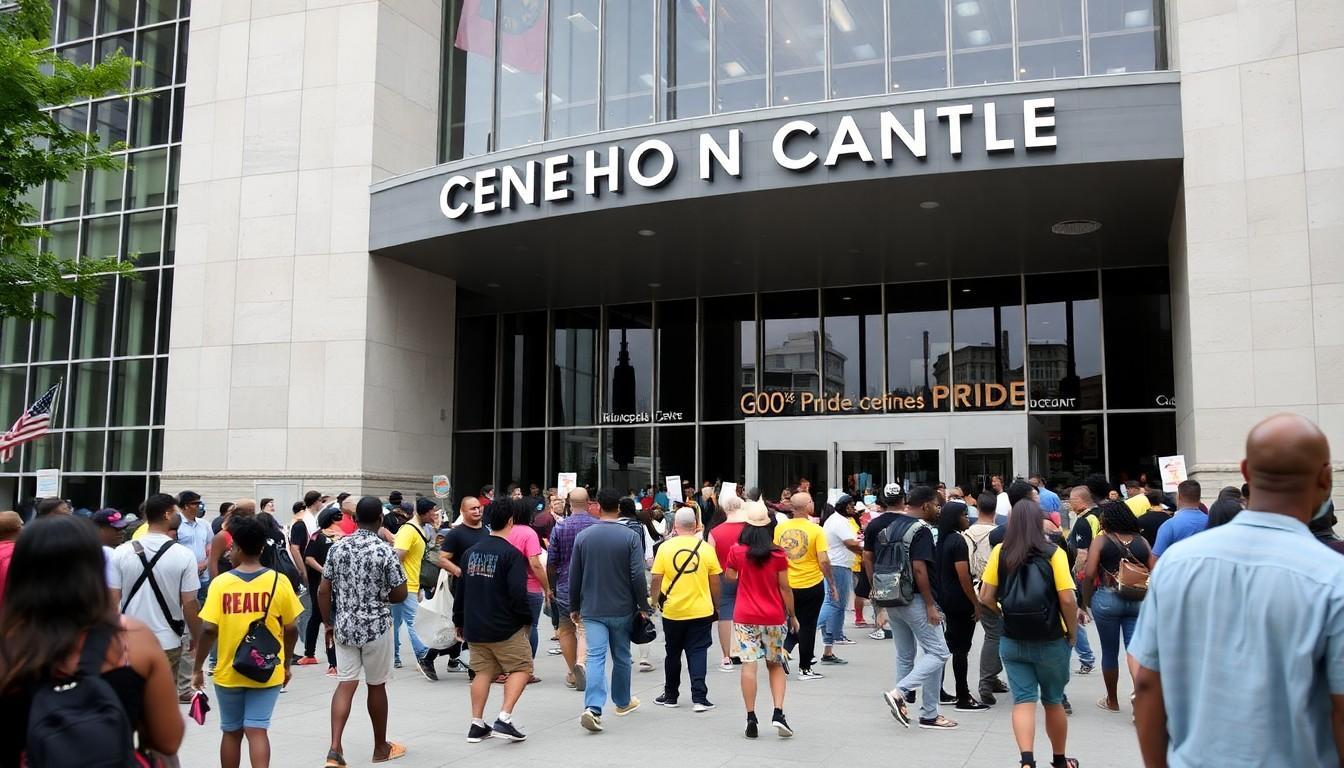
Celebrate and reflect: Pride events across the US are drawing millions this summer, and organisers say these gatherings are as much about demanding justice as they are about joy, especially for Black LGBTQ+ communities who are carving out spaces that centre culture, health, and belonging.
Essential Takeaways
- Historic roots: Pride grew from 1960s and 1970s activism and remains a protest as much as a party, with visible ties to Stonewall and ongoing civil-rights struggles.
- Distinct culture: Black Pride events foreground food, music, art and rituals, gospel brunches, poetry slams and Caribbean flavours, that mainstream Pride often sidelines.
- Health-first approach: Many Black Pride gatherings include practical services like HIV testing, hypertension checks and trans health resources.
- Local alternatives: Organisations such as Twin Cities Black Pride and Southern Fried Queer Pride organise events that prioritise safety, affirmation and community leadership.
- Political stakes: Recent legal and policy moves targeting LGBTQ+ rights make Pride’s advocacy role urgent, not optional.
Why Pride is both party and protest
Pride didn’t start as a festival and it refuses to be only an upbeat parade. According to history-focused accounts, Pride month grew from decades of activism in the late 20th century, and its public displays of joy have always doubled as acts of resistance. That double-take, dancing in the streets while demanding rights, gives Pride a tactile, emotional charge: the music feels sweeter because it grew from struggle. For anyone choosing an event this summer, expect both glitter and grievance; shows and speeches often sit side by side.
Black Pride creates cultural space, not just representation
Across the US, many mainstream Pride events skew white, leaving people of colour searching for spaces that reflect their tastes and histories. Black Pride gatherings answer that gap by centring cultural markers: from fashion showcases and house parties to soul-food smells and African textiles. Organisations focused on Black LGBTQ+ life emphasise that culture is political, and building spaces that feel like home is itself a form of care and resistance. If you want a Pride where the DJ playlist, food stalls and programming speak directly to Black queer life, look for city-specific Black Pride listings.
Health and practical support are front and centre
Black Pride events are often built around tangible community needs. Beyond performances and parties, they’ll typically host health booths offering STI and HIV screenings, vision checks, blood-pressure testing and signposting for mental-health and housing services. These are not afterthoughts: they’re an acknowledgement of broader social determinants affecting Black queer people, from housing insecurity to youth homelessness. If you’re attending, bring ID and be ready to ask about free or low-cost services on-site.
Community leadership and visibility push back against erasure
Media coverage regularly narrows how Black LGBTQ+ lives are seen, fixating on crises rather than resilience. That’s why locally run Prides and groups such as the Center for Black Equity work to highlight leadership, creativity and community-led solutions in equal measure with struggles. Their events intentionally showcase the people rebuilding networks and services, and they push media narratives to be more balanced. Supporting these groups, by attending, donating or volunteering, helps amplify fuller stories.
Why Pride’s political role still matters
Legal and policy pressure on LGBTQ+ rights has shifted in recent years, with debates about healthcare access and public recognition reaching courts and legislatures. Pride’s mix of celebration and civic action has a function here: it normalises queer life while insisting on policies that protect it. Organisers and attendees often use events to register voters, share information about local policy battles, and build coalitions across communities. If you care about lasting change, use Pride as a moment to connect with campaigns and to learn how to support year-round advocacy.
It's a small shift to pick events that match your needs, celebratory, political or both, and doing so makes every parade, brunch and panel more meaningful.
Source Reference Map
Story idea inspired by: [1]
Sources by paragraph: