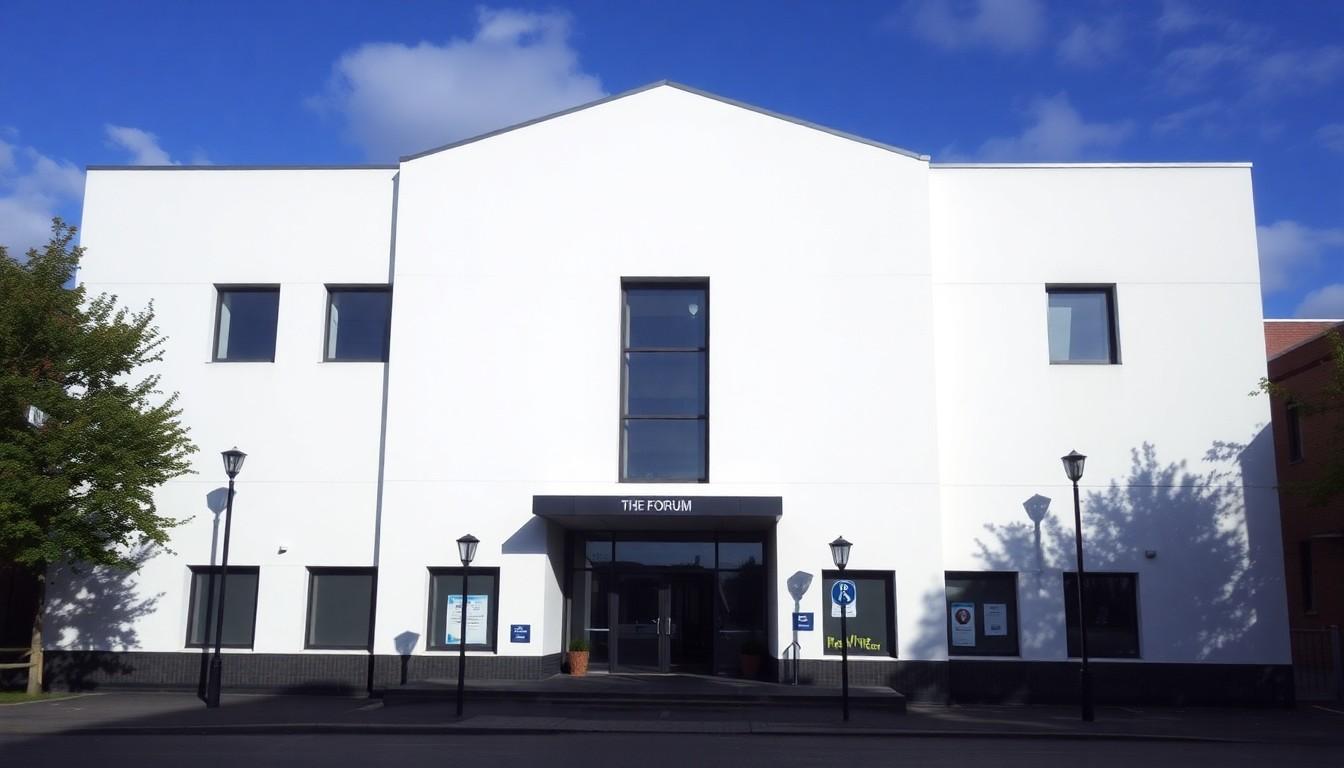
Shoppers and residents have noticed a sudden change: Norfolk County Council's new administration has barred Pride displays and events from county libraries, a move that affects all 47 branches and has stirred fierce local debate about visibility, neutrality and who public spaces serve.
Essential Takeaways
- What happened: Norfolk's new administration issued a blanket rule stopping libraries from exhibiting or staging material judged to be political, including Pride displays.
- Scale: The directive covers every one of Norfolk's 47 public libraries and museum spaces, affecting displays, presentations and events.
- Reaction: Local MPs and campaigners say the ban erases LGBT+ visibility; councillors argue it's about keeping taxpayer-funded spaces politically neutral.
- Practical effect: Storytimes, noticeboards and community events that celebrate Pride or raise LGBT+ awareness may now be cancelled or altered, leaving staff to interpret guidance.
- Atmosphere: The policy has prompted frustration and a muddled, anxious feeling among library users used to welcoming, colourful community programming.
What exactly did the council say , and why it matters
The new county leadership told library teams not to exhibit material or run presentations that “promote political messaging”, framing the move as an attempt to create a “genuinely neutral safe space”. That sounds tidy on paper, but for many users it removes more than party politics: Pride banners and LGBT+ storytimes are seen as support and visibility, not campaigning. According to local reporting, councillors said families raised concerns about some activities, which pushed the policy through. The result is a much quieter, paler set of community shelves.
How local voices have reacted , from MPs to parents
Critics have been vocal. A South Norfolk Labour MP described the ban as “shameful, divisive and deeply damaging”, arguing that tone-deaf neutrality often translates to erasure. Meanwhile, proponents say taxpayers' buildings shouldn’t advance any campaign group's interests, however well-intentioned. The clash is familiar: is visibility for marginalised groups political, or a matter of community inclusion? Libraries now sit at the centre of that argument, and users are anxious about what their local branch will or won't host next.
What this means for library services and events
Practically speaking, librarians will need to decide whether story sessions, exhibitions or noticeboards celebrating Pride count as political messaging. That uncertainty can lead to cancellations or self-censorship, which staff often find disheartening. If you run a community group, expect to be asked for extra detail about your event's purpose. If you’re a parent, you might notice fewer themed displays or fewer signposted resources relating to LGBT+ wellbeing. For people who rely on libraries as safe, affirming spaces, the change is immediately tangible.
Wider trend and context , not an isolated decision
This move echoes debates elsewhere about what “neutrality” in public services really looks like. Across the UK, councils and institutions have wrestled with how to balance freedom from political campaigning with the needs of minority communities. Libraries have long offered inclusive programming and support; removing visible markers of that support shifts the atmosphere. The local dispute in Norfolk will likely feed into national conversations about how public spaces can be both impartial and welcoming.
How to respond if you’re concerned or want to help
If this affects you, practical steps can make a difference. Contact your local councillor and ask for clarity on the policy’s scope, or request specific guidance about children’s events and educational displays. Support local library fundraising groups or volunteer to help run inclusive activities within the new rules. And if you want to signal support, small, lawful gestures , attending community meetings, writing to local papers, or joining library friends groups , keep the conversation alive without breaking any guidelines.
It's a small administrative change that feels much bigger for people who use libraries as welcoming community hubs.
Source Reference Map
Story idea inspired by: [1]
Sources by paragraph: